







DAY, Betty Vera Wallanger
| Service Number: | VF511733 |
|---|---|
| Enlisted: | 5 July 1943 |
| Last Rank: | Private |
| Last Unit: | Not yet discovered |
| Born: | North Fitzroy, Victoria, Australia, 27 May 1925 |
| Home Town: | Frankston, Victoria |
| Schooling: | Sandringham East State School, Victoria, Australia |
| Occupation: | Stewardess |
| Died: | Heart Failure, Mornington, Victoria, Australia, 16 January 2022, aged 96 years |
| Cemetery: |
Privately Cremated Betty was cremated and her ashes are to be scattered according to her wishes. |
| Memorials: |
World War 2 Service
| 5 Jul 1943: | Enlisted Australian Military Forces (WW2) , Private, VF511733 | |
|---|---|---|
| 7 Jan 1947: | Discharged Australian Military Forces (WW2) , Private, VF511733 |
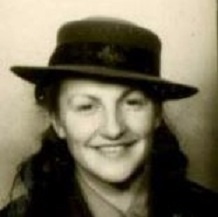
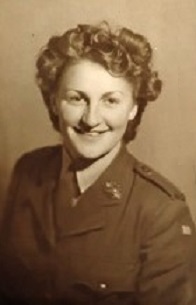
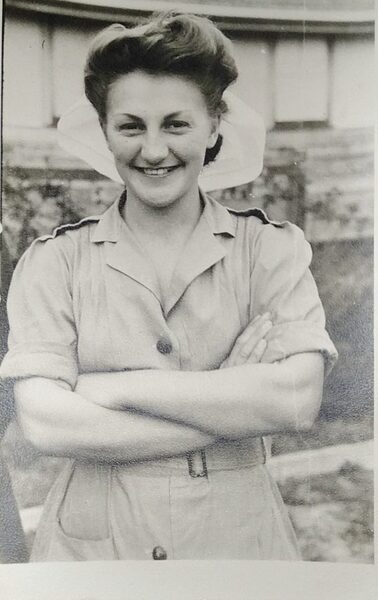
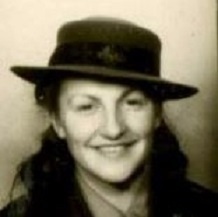
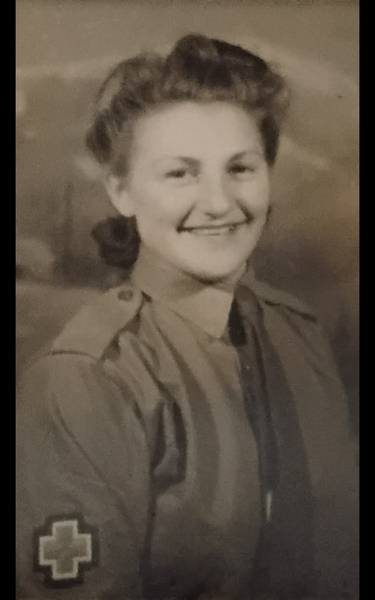
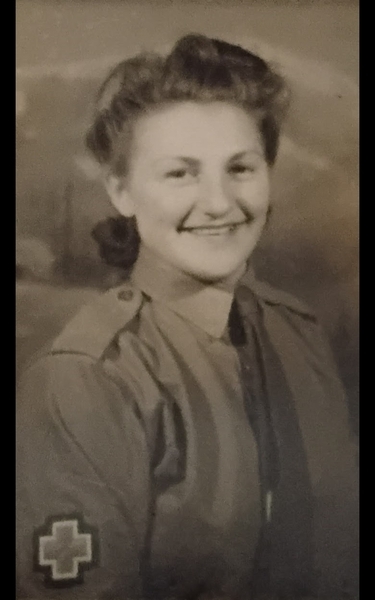
Betty's Story
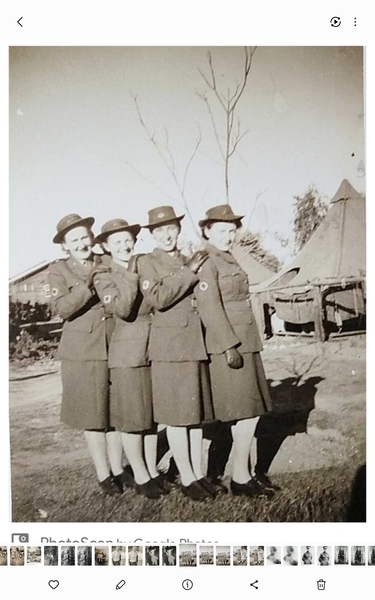
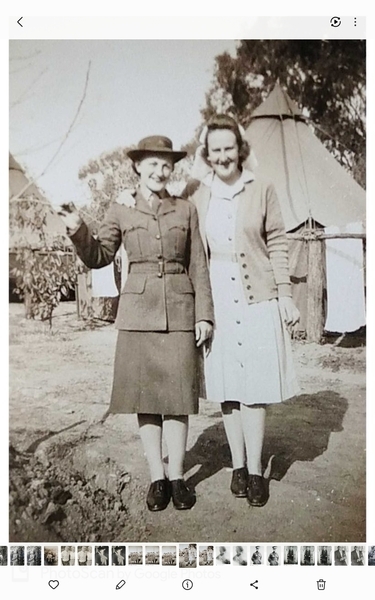
Mum described feeling warm in winter for the first time when in the army after bring supplied with thick lisle stockings, gloves and a winter coat. The winters were freezing in Bonegilla when she was there.
She recalled being woken about 2pm in the afternoon when on night duty with a cup of tea and a slice of fruit cake. She was sleeping in a leaky tent which was her accommodation and for a while had to use the latrines which were not private ( no cubicles or privacy ).
She cared for military personnel with TB and tropical skin conditions when at Bonegilla.
During her time at Caulfield Hospital she cared for soldiers who had been gassed in WW1.
An incident occurred when Betty had a leave pass and was arrested by the military police on arrival at Sandringham Station.
The conversation went as follows:
Military Police: Private Day ? they asked Betty
Betty: Yes
Military Police: You're under arrest for being AWOL
Betty: But I have a leave pass, which she showed them
Eventually they realised they had the wrong Private Day.
Betty's sister who was also Private Day had gone AWOL and Betty was unaware of this. Consequently Betty missed her bus which was the last bus and was left to walk from Sandrngham to her home in Black Rock.
Later in life mum regarded her time in thr army as one of the happiest periods of her life.
She had many friends, socialised , learned to play tennis and learnt to appreciate poetry. She never had much money to spend because she allotted most of her pay to her mother to support the younger 4 children still at home.
Submitted 26 April 2026 by Louise Roberts
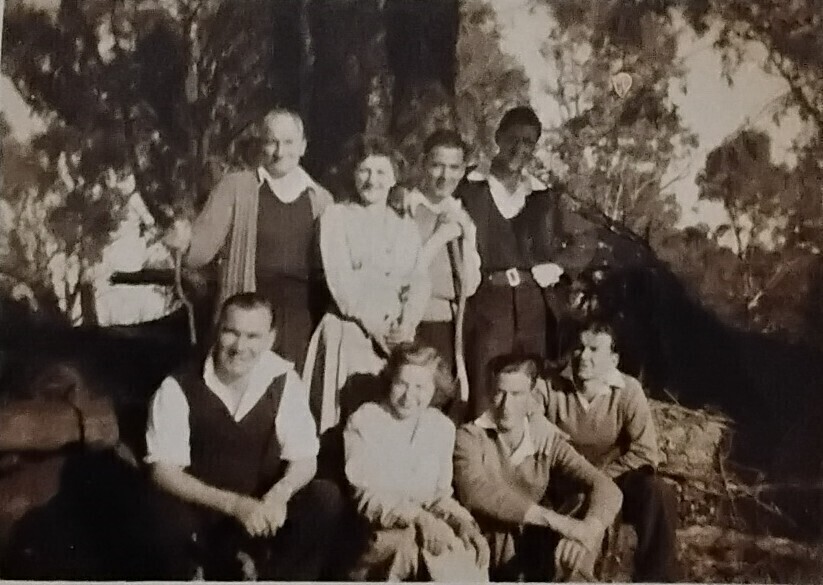
Click images to start slideshow.