







CHAPMAN, Frederick George
| Service Number: | 3715 |
|---|---|
| Enlisted: | Not yet discovered |
| Last Rank: | Private |
| Last Unit: | 10th Infantry Battalion |
| Born: | Malvern, South Australia, August 1879 |
| Home Town: | Not yet discovered |
| Schooling: | Not yet discovered |
| Occupation: | laborer |
| Died: | Circumstances of death not yet discovered |
| Cemetery: |
West Terrace Cemetery (AIF Section) Section: LO, Road: 5S, Site No: 26 |
| Memorials: |
World War 1 Service
| 2 Dec 1915: | Involvement Private, 3715, 10th Infantry Battalion, --- :embarkation_roll: roll_number: '10' embarkation_place: Adelaide embarkation_ship: RMS Malwa embarkation_ship_number: '' public_note: '' | |
|---|---|---|
| 2 Dec 1915: | Embarked Private, 3715, 10th Infantry Battalion, RMS Malwa, Adelaide |
Help us honour Frederick George Chapman's service by contributing information, stories, and images so that they can be preserved for future generations.
Add my storyBiography contributed by St Ignatius' College
Frederick George Chapman was born in Malvern, South Australia, in 1879 and lived the life of a typical working class Australian before the outbreak of World War 1. Before enlisting, he worked as a laborer and had no recorded previous military experience. Unlike younger volunteers, Chapman enlisted at 39 ½ years. At a time when Australia was calling for volunteers to support the British Empire, Chapman joined the Australian Imperial Force on 9th August 1915 in Adelaide.
Chapman embarked from Australia on HMAT A32 Themistocles on the 2nd December 1915, travelling across the world to England as part of a reinforcement group for Australian soldiers already fighting on the Western Front. The long sea journey itself would have been a significant experience, marking his transition from civilian life into that of a soldier. After arriving in England, Chapman completed further training before being deployed into France.
Durning Chapman’s service he became injured, due to a gun gunshot wound to his right thigh on 23rd July 1916. As a result, Chapman got sent into a convalescent depot, where soldiers have medical help and time to recover before going back to the war. Soldiers are also sent to a convalescent depot if they are sick and need to recover, this happens quite often since there are many diseases and the area was unclean.
In conclusion, Frederick George Chapman’s service shows an amazing example of courage, resilience and sacrificing your life for your country. His enlistment at his age of 39 demonstrates a deep sense of responsibility and patriotism, his experiences at the Western Front highlights the extreme events that happened, but even through injury and recovery he still continued serving.
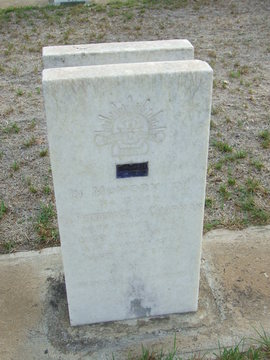
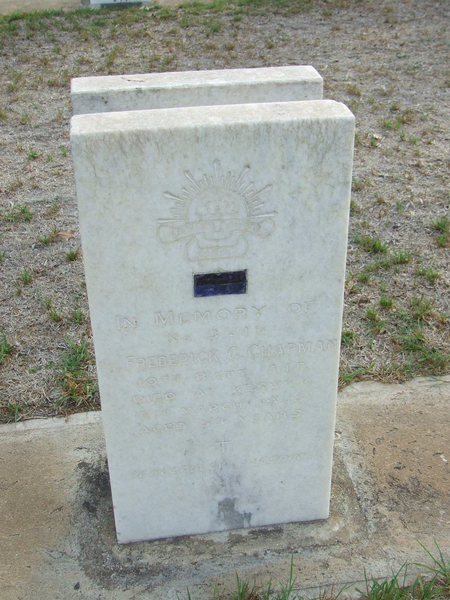
Click images to start slideshow.