







BELL, John Neil Rogers
| Service Number: | O22001 |
|---|---|
| Enlisted: | 21 June 1941 |
| Last Rank: | Flight Lieutenant |
| Last Unit: | Not yet discovered |
| Born: | Newport, Wales, United Kingdom, 27 October 1915 |
| Home Town: | Newcastle, Hunter Region, New South Wales |
| Schooling: | Not yet discovered |
| Occupation: | Not yet discovered |
| Died: | Natural Causes, Armadale, Western Australia, Australia, 15 October 2001, aged 85 years |
| Cemetery: |
Karrakatta Cemetery & Crematorium, Western Australia John was cremated with his ashes being interred in the Lance Howard Memorial Rose Garden at Karrakatta - plot 0155. |
| Memorials: |
World War 2 Service
| 21 Jun 1941: | Enlisted Royal Australian Air Force, Flight Lieutenant, O22001 | |
|---|---|---|
| 27 Oct 1970: | Discharged Royal Australian Air Force, Flight Lieutenant, O22001 |
Help us honour John Neil Rogers Bell's service by contributing information, stories, and images so that they can be preserved for future generations.
Add my storyBiography contributed by Jeffrey Oates
John Neil Roger Bell migrated with his family from the Wales in the UK to New Zealand in 1926 on the SS Athenic arriving in Wellington. The family then subsequently resettled in Newcastle in New South Wales where John's father was an engineer in the steel industry.
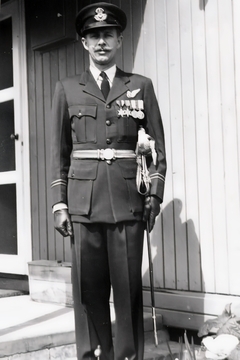
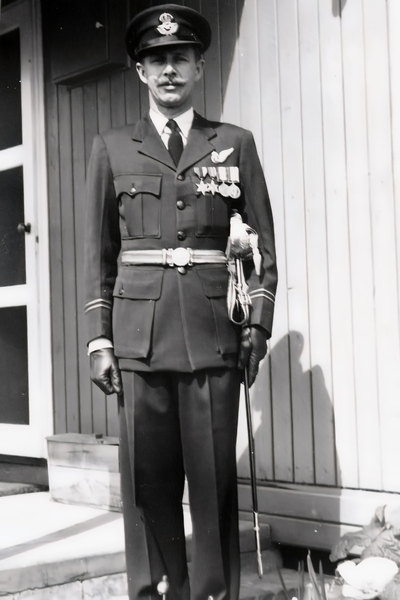
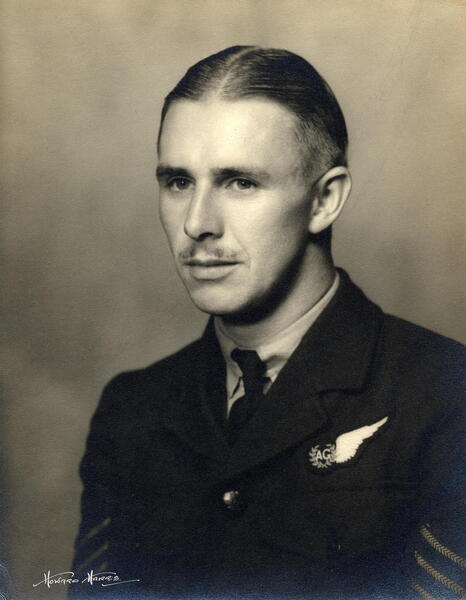
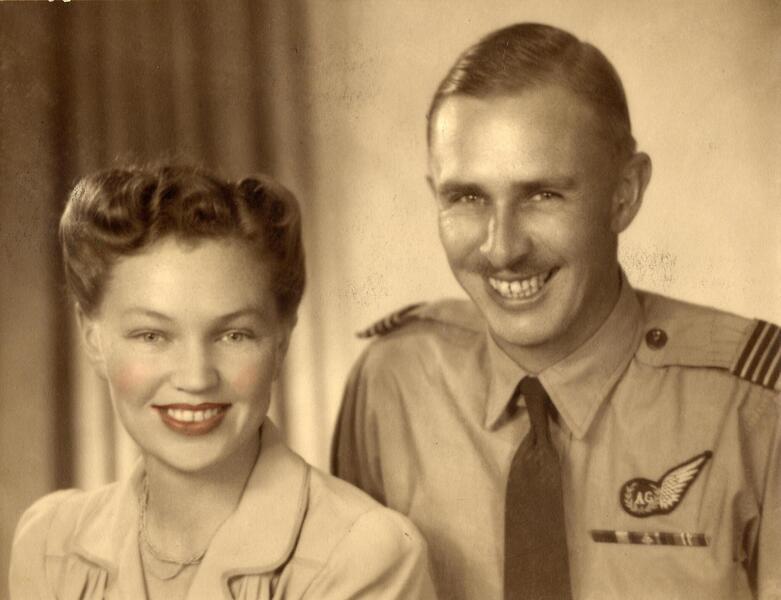
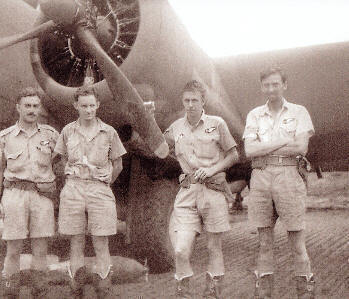
During WW2 John saw operations with the 32nd, 6th, 24th squadron and the 351st USAAF squadron. John was a wireless operator gunner and flew in Hudson Bombers as a rear gunner. John was promoted to a flight sergeant and then he was then granted a commission on 1 October 1943 with the rank of Flight Lieutenant.
John was a member of the Hudson crew that observed a Japanese fleet steaming into the coral sea which led to the battle of Salvo Island where a number of allied ships were lost and many sailors lost their lives. There was a lot of controversy about whether or not the Hudson crew reported the sighting of the Japanese fleet, and for a long time John and his crew were blamed for the disaster. See the many articles etc about this matter. John used to often recall how he and his crew saw the Japanese fleet, reported the sighting but the Americans did not act on the report which lead to the disaster. It was not until the 2010's that the last surviving member of the crew, Eric Geddes, was able to have the war history corrected to truly reflect the correct story.
John continued serving in the RAAF after the war at many air force bases until in 1962 he was posted to Canberra to the Special Duties/ Administrative Branch (intelligence). John retired from the air force on 27 October 1970 after 29 years and 129 days exemplary service and on 28 October 1970 he was placed on the retired list with the honorary rank of Squadron Leader.
John was awarded the following medals:
1939-1945 Star
Pacific Star with "Burma" Clasp
War Medal
Australian Service Medal
Air Efficiency Award
On many occasions John reflected that his time in the air force during the war, was some of the best times of his life.
In 1951 John married Brenda Catherine Minorgan, a serving member of the WAAAF, whom he had met during the war years.
In 1974 John and his wife relocated from Canberra to Perth, Western Australia to live settling in the Perth Hills suburb of Roleystone. The move was primarily so they could be closer to their family who were all living in and around suburban Perth.
Click images to start slideshow.