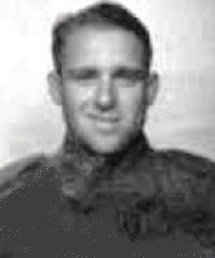
Wallace’s War
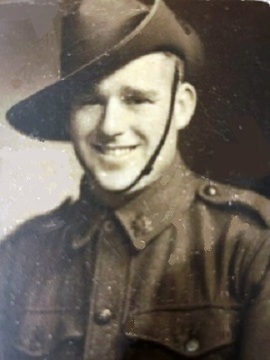
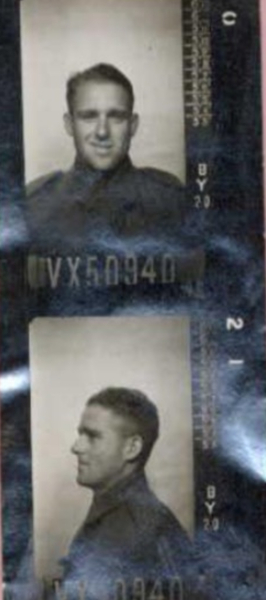
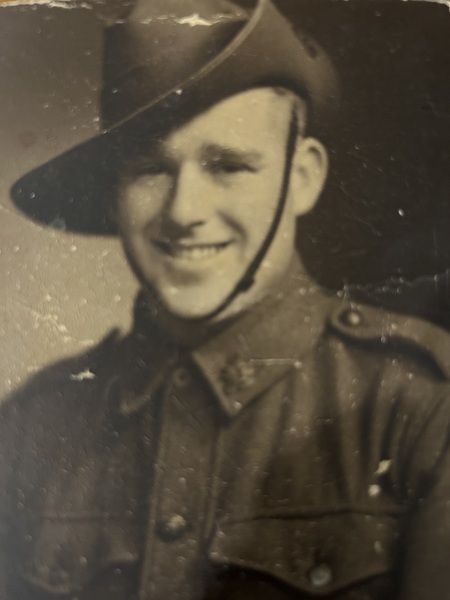
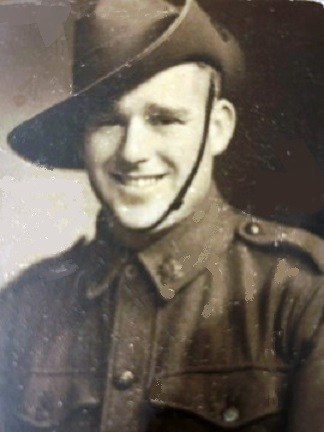
When Wallace Joseph Young enlisted in the Australian Army on 9 January 1940, the world was at war, but nobody could have known just how long or difficult the years ahead would be. Like thousands of young Australian men, he answered the call to serve, leaving behind family, friends, and the familiar comforts of home.
In March 1941, Wallace joined the 2/6th Infantry Battalion, a proud unit of the Australian 6th Division. Before long, he found himself far from Australia, serving in the harsh landscapes of the Middle East. The heat, dust, and uncertainty of war became part of everyday life. Days were spent marching, training, standing guard, and preparing for battles that could come without warning. The bonds formed between soldiers were strong, forged through shared hardship and the knowledge that each man’s life might depend on the others beside him.
As the war spread across the globe, Wallace’s battalion was eventually called back to defend Australia’s interests closer to home. He was sent to New Guinea, where a different enemy awaited. The dense jungle, relentless rain, mud, insects, and tropical diseases often proved as dangerous as the fighting itself.
For Wallace, one of the greatest challenges came not from enemy fire but from malaria. During 1943, he was evacuated from his unit and admitted to military hospitals and casualty clearing stations for treatment. Fever, exhaustion, and weakness would have taken a heavy toll. Like many soldiers who suffered from malaria, he likely endured recurring bouts that left him physically drained and uncertain about when the next attack would strike.
Yet each time he recovered, Wallace returned to duty. The records show him moving back and forth between hospitals and his battalion, determined to continue serving alongside his mates. His story was one shared by countless Australian soldiers in New Guinea—men who fought not only the enemy but also the unforgiving conditions of the jungle.
As the war neared its end, the years of service began to weigh heavily on many who had been away from home for so long. Wallace had spent much of his adult life in uniform. He had crossed oceans, served in distant lands, endured illness, and witnessed the hardships of war. Through it all, he remained part of the great Australian effort that helped bring the conflict to a close.
Finally, in late 1945, the journey home began.
After years of uncertainty, Wallace boarded a ship bound for Australia. As the coastline came into view, he would have known that the long chapter of war was ending. The country he returned to was different from the one he had left in 1940, and he too had been changed by his experiences.
On 30 November 1945, he disembarked in Sydney. Just days later, on 7 December 1945, Private Wallace Joseph Young was formally discharged from the Australian Military Forces after nearly six years of service.
Soon afterwards, he received his Certificate of Discharge and his Returned from Active Service Badge, a small but meaningful symbol of the sacrifices he had made and the service he had given. For Wallace, however, the true reward was likely much simpler—the chance to return to family, to rebuild a civilian life, and to enjoy the peace that he and so many others had fought to secure.
Today, Wallace’s military records tell only part of his story. They record dates, movements, hospital admissions, and official decisions. What they cannot fully capture is the courage required to leave home, the resilience needed to endure illness and hardship, or the relief of finally stepping back onto Australian soil after years at war.
His service stands as a reminder of a generation that answered when their country called, endured extraordinary challenges, and returned home carrying memories that would remain with them for the rest of their lives.