







PULLEN, Clarence Benjamin
| Service Numbers: | 2937, 2937A |
|---|---|
| Enlisted: | 6 January 1916, Place of Enlistment, Warwick, Victoria. |
| Last Rank: | Private |
| Last Unit: | 31st Infantry Battalion |
| Born: | Killarney, Queensland, Australia, 3 November 1896 |
| Home Town: | Killarney, Southern Downs, Queensland |
| Schooling: | Not yet discovered |
| Occupation: | Farmer |
| Died: | Brisbane, Queensland Australia, 18 August 1960, aged 63 years, cause of death not yet discovered |
| Cemetery: |
Lutwyche Cemetery, Brisbane, Qld Anzac Portion 9 |
| Memorials: | Ballarat Australian Ex-Prisoners of War Memorial, Killarney War Memorial |
World War 1 Service
| 6 Jan 1916: | Enlisted AIF WW1, Private, 2937, 31st Infantry Battalion, Place of Enlistment, Warwick, Victoria. | |
|---|---|---|
| 14 Apr 1916: | Involvement Private, 2937A, 31st Infantry Battalion, --- :embarkation_roll: roll_number: '16' embarkation_place: Sydney embarkation_ship: HMAT Ceramic embarkation_ship_number: A40 public_note: '' | |
| 14 Apr 1916: | Embarked Private, 2937A, 31st Infantry Battalion, HMAT Ceramic, Sydney | |
| 12 Oct 1916: | Wounded AIF WW1, Private, 2937, 31st Infantry Battalion, Wounded and Missing | |
| 7 Dec 1916: | Imprisoned Place of Detention Dulmen Germany | |
| 15 Jun 1919: | Discharged AIF WW1, Private, 2937A, 31st Infantry Battalion, 1st MD |
Help us honour Clarence Benjamin Pullen's service by contributing information, stories, and images so that they can be preserved for future generations.
Add my storyBiography contributed by Evan Evans
From Australian Remembrance Army
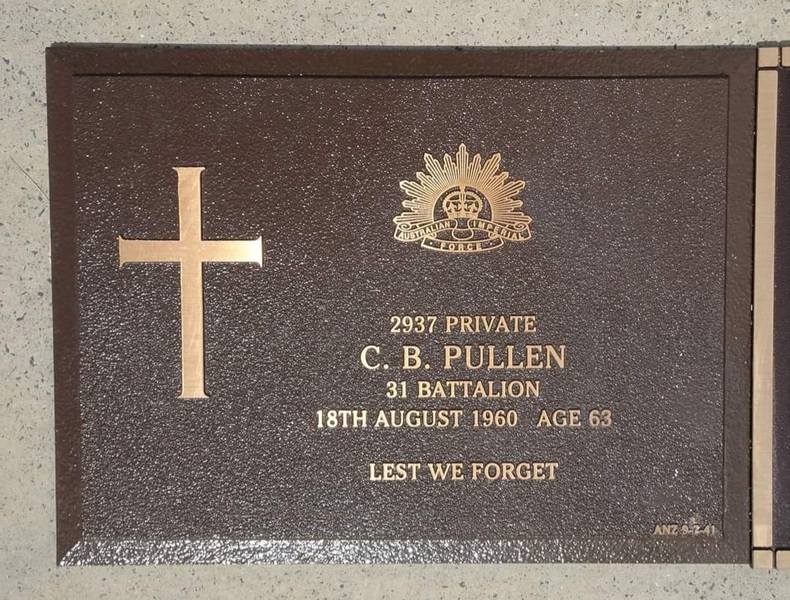
Australian First World War veteran and former prisoner of war, Private Clarence Benjamin “Ben” Pullen, Service No. 2937, is one of the previously unmarked First World War veterans’ graves in Lutwyche Cemetery that has been accepted as an Official Commemoration by the Office of Australian War Graves.
See Australian Remembrance Army Facebook page
OAWG Official Commemoration: https://connect.dva.gov.au/.../viewCommemoration.html...
Clarence Benjamin “Ben” Pullen was born on 3 November 1896 at Killarney, Queensland, to James William Pullen and Mary Eva Pullen, née Hoffman.
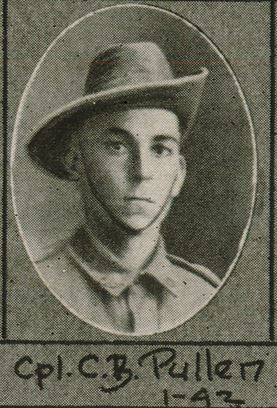
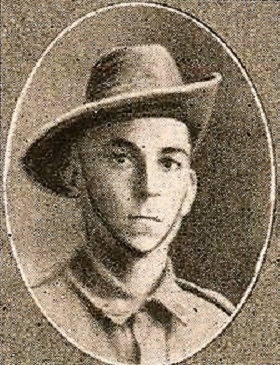
Ben was a farmer from Killarney, Queensland, when he enlisted in the Australian Imperial Force at Warwick, Queensland, on 6 January 1916. At the time of enlistment, he was 19 years of age and single. He nominated his mother as his next of kin.
He embarked from Sydney, New South Wales, on 14 April 1916 aboard HMAT Ceramic. In July 1916, he joined his unit in the field in France.
On 12 October 1916, Ben was reported wounded and missing in action. Later entries amended this, recording that he was officially reported to be a prisoner of war in Germany. German prisoner-of-war documentation in his file records him as Pullen, Clarence Benjamin, rank Private, Australian Imperial Forces, 31st Regiment, Company A, identification number 2937. The place of capture was recorded as Armentières and the date of capture as 12 October 1916. The same German record stated that he was not wounded. It also recorded his place of birth as Killarney and his home place as Killarney, Queensland, Australia.
His service file records his place of detention as Dülmen, with later references to internment in Germany, including Friedrichsfeld.
A newspaper article headed “A Prisoner in Germany” published in the Warwick Examiner and Times on Wednesday, 25 April 1917, provides a contemporary account of Ben’s captivity through extracts from a letter he wrote to his mother.
In the letter, Ben advised his mother that he was “still in the land of the living” and stated that he had been writing a postcard every week since his capture. He wrote that prisoners were allowed four postcards and two letters each month. He also stated that the prisoners were being well treated, that he had not yet been sent out to work, and that he was “tired of doing nothing.”
The newspaper extract also shows that Ben remained interested in events at home. He referred to the Killarney harvest and imagined the binder and thresher at work. He also stated that he considered himself fortunate to be alive and expected that, after the war, he would be able to tell “a long tale” of his experiences.
The newspaper article is important because it supplements the official service record by recording Ben’s own comments about the conditions of imprisonment, communication limits, Red Cross and prisoner-of-war support, and his continuing connection to South Killarney.
After the Armistice, Ben was repatriated from Germany to England. He returned to Australia aboard the troopship SS Nevasa on 5 March 1919 and disembarkation in Australia recorded as 25 April 1919. He was discharged from the Australian Imperial Force on 15 June 1919.
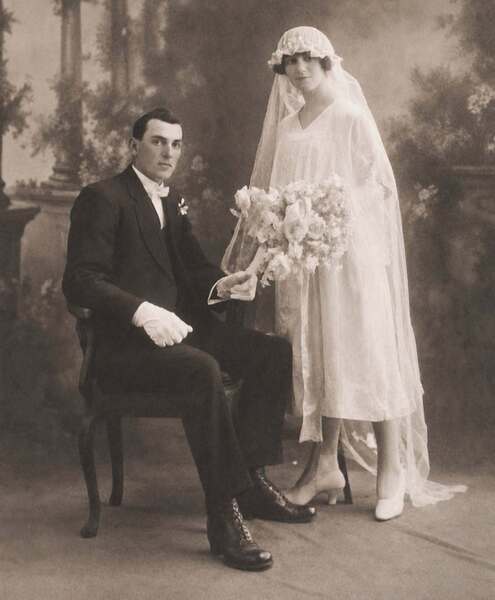
Following his return to Australia, Ben resumed farming at Killarney. On 27 June 1923, he married Hazel Constance Wells at Christ Church, Killarney. The couple later left for Warwick and Brisbane for their honeymoon. Their daughter Mary Rose was born the following year. By the 1930s, he was working as a timber agent in the Killarney district. In 1949, he was living at New Farm, Brisbane, and working as a log buyer. By 1954, he was recorded as living at West End, Brisbane, and working as a storekeeper.
Private Clarence Benjamin “Ben” Pullen died on 18 August 1960, aged 63, and was buried in Anzac Portion 9, Lutwyche Cemetery, Brisbane. His grave is now formally recognised, ensuring that his service with the Australian Imperial Force is permanently commemorated and that his grave will be maintained in perpetuity by the Office of Australian War Graves.
His identity and dignity have now been restored.
Lest We Forget
ARA Notes on commemorations:
Over the past six years, we have submitted the service records and causes of death of hundreds of veterans lying in unmarked graves to the Office of Australian War Graves for assessment for official commemoration. To date, more than 100 veterans interred at Lutwyche Cemetery have been accepted as Official Commemorations, and their graves are now being formally marked and will be maintained in perpetuity by the Office of Australian War Graves.
Many Australians are unaware that, unless specific eligibility criteria are met, returned service personnel are not automatically entitled to an official government-issued headstone or plaque at their place of interment. As a result, tens of thousands of Australian veterans lie in unmarked graves across the country.
Eligibility for official commemoration in Australia must satisfy one of the criteria outlined by:
• Commonwealth War Graves Commission (CWGC) – Criteria and qualifying service dates:
https://www.cwgc.org/.../what-are-commonwealth-war-graves/
• Department of Veterans’ Affairs (DVA) / Office of Australian War Graves (OAWG) – Additional war grave eligibility criteria:
https://www.dva.gov.au/.../commemo.../official-commemoration

Click images to start slideshow.