


ROGERS, William
| Service Number: | 209 |
|---|---|
| Enlisted: | 7 January 1916, An original member of A Company 44th Bn. |
| Last Rank: | Private |
| Last Unit: | 44th Infantry Battalion |
| Born: | Coolgardie, Western Australia, Australia, 28 November 1899 |
| Home Town: | Subiaco, Nedlands, Western Australia |
| Schooling: | Not yet discovered |
| Occupation: | Labourer |
| Died: | Perth, Western Australia, 10 July 1971, aged 71 years, cause of death not yet discovered |
| Cemetery: |
Karrakatta Cemetery & Crematorium, Western Australia Anglican-Vc-0211 |
| Memorials: | Subiaco Municipal Honour Roll, Subiaco Roll of Honour |
World War 1 Service
| 7 Jan 1916: | Enlisted AIF WW1, Private, 209, 44th Infantry Battalion, An original member of A Company 44th Bn. | |
|---|---|---|
| 6 Jun 1916: | Involvement Private, 209, 44th Infantry Battalion, --- :embarkation_roll: roll_number: '18' embarkation_place: Fremantle embarkation_ship: HMAT Suevic embarkation_ship_number: A29 public_note: '' | |
| 6 Jun 1916: | Embarked Private, 209, 44th Infantry Battalion, HMAT Suevic, Fremantle |
Help us honour William Rogers's service by contributing information, stories, and images so that they can be preserved for future generations.
Add my storyBiography contributed by Stephen Brooks
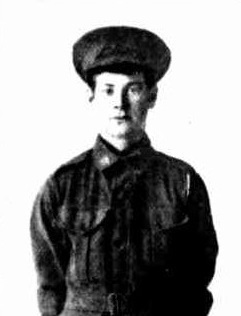
William Rogers was the youngest of four brothers who enlisted in the AIF. They were the sons of George and Annie Rogers of Subiaco, Western Australia. William was barely 16 years of age when he enlisted as an original member of the 44th Battalion during January 1916.
William lost two older brothers killed later in the war, 1897 Pte. George Rogers 9th Machine Gun Company was been killed in action at Passchendaele on 12 October 1917, aged 26, and 4448 Cpl. David Owen Rogers 48th Battalion AIF was later killed in action at Dernancourt, France on 6 April 1918, aged 22.
Another brother 4698 Pte. James Rogers 48th Battalion suffered gunshot wounds to the hand at Pozieres during August 1916 and returned to Australia a few months later.
William himself was wounded in action on four separate occasions, including twice in 1918, but he survived the war and returned to Australia 1 August 1919. He served again during WW2 and passed away in 1971.
Click images to start slideshow.