







PERSHOUSE, Philip Australia
| Service Number: | 2926 |
|---|---|
| Enlisted: | 2 May 1916 |
| Last Rank: | Private |
| Last Unit: | 4th Pioneer Battalion |
| Born: | Raglan, Queensland, Australia, 24 September 1974 |
| Home Town: | Nundah, Brisbane, Queensland |
| Schooling: | Not yet discovered |
| Occupation: | Bridge carpenter |
| Died: | Brisbane, Queensland, Australia, 21 October 1947, cause of death not yet discovered |
| Cemetery: |
Lutwyche Cemetery, Brisbane, Qld Anzac Portion 7, Lutwyche Cemetery, Brisbane. |
| Memorials: |
World War 1 Service
| 2 May 1916: | Enlisted AIF WW1, Private, 2926, 4th Pioneer Battalion | |
|---|---|---|
| 21 Oct 1916: | Involvement Private, 2926, 4th Pioneer Battalion, --- :embarkation_roll: roll_number: '5' embarkation_place: Brisbane embarkation_ship: HMAT Boonah embarkation_ship_number: A36 public_note: '' | |
| 21 Oct 1916: | Embarked Private, 2926, 4th Pioneer Battalion, HMAT Boonah, Brisbane | |
| 15 Jul 1918: | Discharged AIF WW1, Private, 2926, 4th Pioneer Battalion, 1st MD, Medically disability |
Help us honour Philip Australia Pershouse's service by contributing information, stories, and images so that they can be preserved for future generations.
Add my storyBiography contributed by Evan Evans
From Australian Remembrance Army
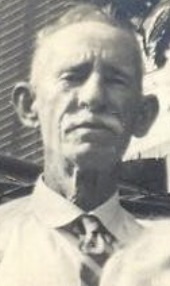
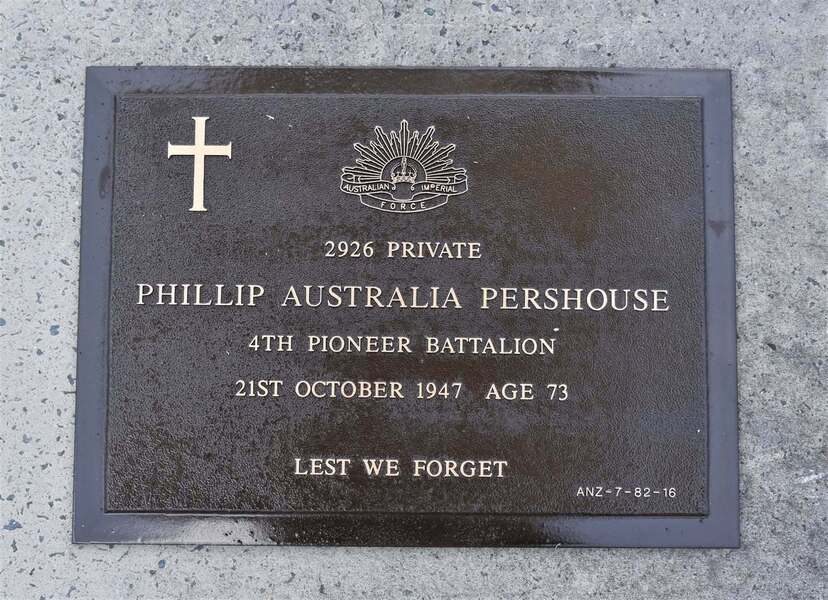
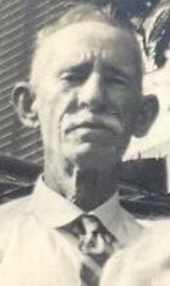
Private Phillip Australia Pershouse (Service No. 2926), an Australian World War One veteran, is among almost 800 previously unmarked WWI veterans’ graves in Lutwyche Cemetery we have now marked with a plaque recognising their service for Australia.
We unveiled his plaque in Lutwyche Cemetery on 15 April 2023, along with a further 246 plaques on the previously unmarked graves of Australian World War One veterans:
See Australian Remembrance Army Facebook page
Philip Australia Pershouse was born on 24 September 1874 at Raglan, Queensland, to John Pershouse and Mary Pershouse (née Hannam). He grew up in rural Queensland and, by 1900, was living in Longreach, where he worked as a stockman. In June 1900, he married Ellen Elizabeth MacManus, and over the following years he continued working in pastoral occupations. Between 1903 and 1908, Philip and Ellen lived at Rosedale Station, where he remained employed as a stockman. By 1913, they had relocated to Spring Hill, Brisbane, and he was working as a labourer.
Pershouse enlisted in the Australian Imperial Force in May 1916 at the age of forty-two, giving his trade as a bridge carpenter. He embarked from Brisbane on 21 October 1916 with the 4th Pioneer Battalion aboard HMAT Boonah, arriving in England in January 1917.
After training at Fovant and Larkhill, he was sent to France in October 1917 and joined his unit in the field shortly thereafter. His active service was curtailed when he fell ill with bronchitis in December 1917. He was evacuated through several medical units in France, including a general hospital at Rouen, before being transferred to England for further treatment at Sutton Veny. Following hospitalisation and furlough, he was assessed as unfit for further active service and returned to Australia in April 1918 on the grounds of premature senility. His military service formally ended with his discharge in May 1918.
After the war, Pershouse resumed civilian life in Brisbane, working as a carpenter. His wife, Ellen Elizabeth Pershouse, died on 29 April 1920 in Brisbane at the age of forty-two, after nineteen years of marriage. In August 1922, Philip remarried, wedding Elizabeth Ann Hindley in Brisbane when he was forty-seven years old. Electoral roll records show that they lived at several addresses in Brisbane during the 1920s and 1930s, where he continued his trade as a carpenter. By the mid-1930s, in his early sixties, he remained resident in Brisbane, reflecting a life marked by rural labour, wartime service, and long-term skilled employment in Queensland’s capital.
Private Phillip Australia Pershouse died on 21 October 1947, aged 73, and was buried in Anzac Portion 7, Lutwyche Cemetery, Brisbane.
After decades without recognition at his place of burial, his grave now bears a plaque commemorating his service to Australia — ensuring his name endures among those remembered for their duty and sacrifice. His identity and dignity have now been restored.
We have remembered him.
Lest We Forget.
Click images to start slideshow.