







BEECH, William Charles Bullock
| Service Number: | 1066 |
|---|---|
| Enlisted: | 24 September 1914, 5 years Strophshire Regiment 2 years Boer War |
| Last Rank: | Sergeant |
| Last Unit: | 2nd Infantry Battalion |
| Born: | Shropshire, England, May 1878 |
| Home Town: | Condobolin, Lachlan, New South Wales |
| Schooling: | Not yet discovered |
| Occupation: | Bricklayer |
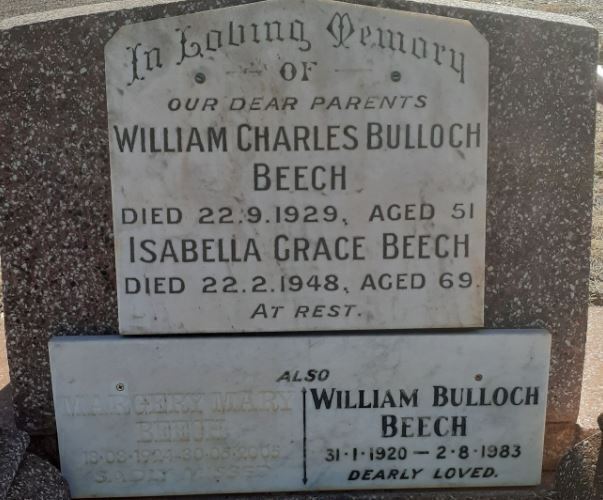
| Died: | Pneumonia, Condobolin, New South Wales, Australia, 22 September 1929 |
| Cemetery: |
Condobolin Cemetery, NSW |
| Memorials: | Condobolin Beech Park Memorial |
World War 1 Service
| 24 Sep 1914: | Enlisted AIF WW1, Private, 1066, 2nd Infantry Battalion, 5 years Strophshire Regiment 2 years Boer War | |
|---|---|---|
| 18 Oct 1914: | Involvement Private, 1066, 2nd Infantry Battalion, --- :embarkation_roll: roll_number: '7' embarkation_place: Sydney embarkation_ship: HMAT Suffolk embarkation_ship_number: A23 public_note: '' | |
| 18 Oct 1914: | Embarked Private, 1066, 2nd Infantry Battalion, HMAT Suffolk, Sydney | |
| 10 Mar 1915: | Promoted AIF WW1, Lance Corporal, 2nd Infantry Battalion | |
| 1 Jun 1916: | Promoted AIF WW1, Sergeant, 2nd Infantry Battalion | |
| 16 Dec 1916: | Discharged AIF WW1, Sergeant, 1066, 2nd Infantry Battalion, ill health |
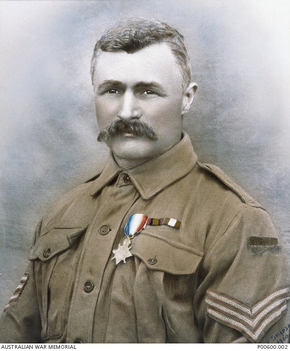
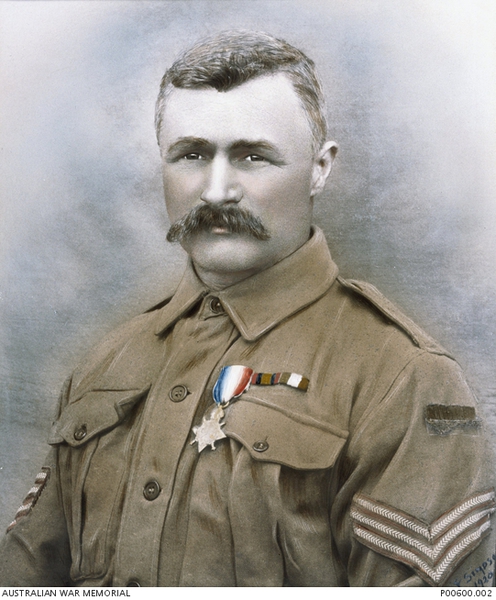
William Charles Bullock Beech
Beech who was born in England, immigrated to Australia and settled in Condobolin in c1910. Prior to this he served in the "Staving Eight" during the South Africa Boer War and was awarded the English King and Queen medals. His military experience followed 5 years in the Shropshire Yeomanry Calvalry.
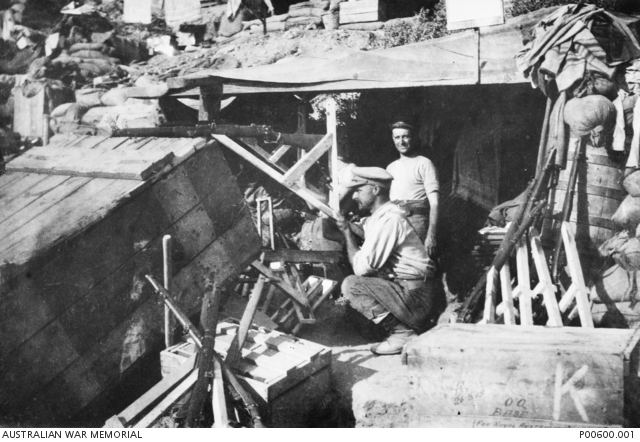
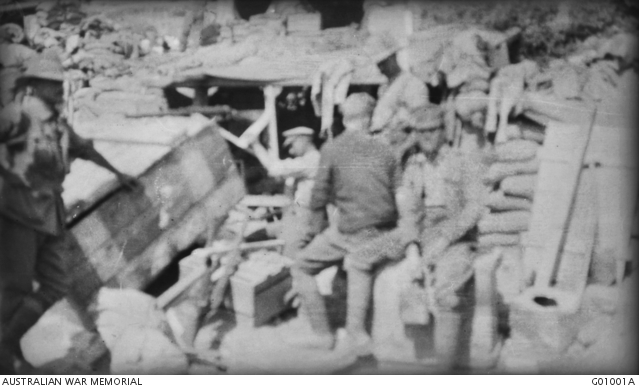
In 1914. aged 36, he enlisted as no 1066, C Company, 2nd Battalion, Australian Imperial Forces - known as the 'Condobolin Die Hards' - a seperate and purely voluntary army. Amongst the first landing at Gallipoli on 25th April 1915, Beech was assigned to the dangerous 'Quinn's Post' which was only 500 metres from the Turkish snipers.
Within 12 days Beech was promoted to Lance Corporal after he invented a Trench Periscope Rifle prototype, which enabled soldiers to be protected from enemy fire by being able to fire from within the protection of the trenches. As chief-of-staff of the Australian Corps, Brigadier General Blamey, upgraded Beech to Sergeant and seconded him to Divisional Headquarters on 1st June 1915 to run a make-shift Trench Periscope Factory. When Beech was invalided back to Australia, Lieutenant General Birdwood the British commander of the entire Dardanelles forces - wrote that over "2,000 periscopes were made on the ANZAC Cove Beach".
Returning to Condobolin, Beech became a recruitment officer until 1919. He settled on the property "Reefdale" and resumed his trade as a bricklayer constructing many houses, the Melrose Hotel, the Chinese ceremonial oven in the Condobolin Cemetery, the Oxley Monument, and his family home at 206 Bathurst Street. Beech turned his practical bush skills to a number of other inventions. Including a special bed for Condobolin Hospital, based upon his experience when hospitalised with fever in Alexandria, Egypt.
Beech is buried in the Condobolin Cemetery. A small pocket park opposite, at 193A Bathirst Street was named in his honour in 2004.
Submitted 5 April 2026 by Abby Grimshaw
Click images to start slideshow.