




PRINGLE, George
| Service Numbers: | 2853, N75781 |
|---|---|
| Enlisted: | 25 June 1940 |
| Last Rank: | Private |
| Last Unit: | 31 Garrison Battalion (NSW) |
| Born: | Parkes, New South Wales, Australia, 16 September 1893 |
| Home Town: | Botany, New South Wales |
| Schooling: | Not yet discovered |
| Occupation: | Tanner |
| Died: | Balmain North, New South Wales, Australia, 15 August 1966, aged 72 years, cause of death not yet discovered |
| Cemetery: | Not yet discovered |
| Memorials: |
World War 1 Service
| 2 Nov 1915: | Involvement Private, 2853, 17th Infantry Battalion, --- :embarkation_roll: roll_number: '12' embarkation_place: Sydney embarkation_ship: HMAT Euripides embarkation_ship_number: A14 public_note: '' | |
|---|---|---|
| 2 Nov 1915: | Embarked Private, 2853, 17th Infantry Battalion, HMAT Euripides, Sydney | |
| 16 Mar 1916: | Transferred AIF WW1, Private, 55th Infantry Battalion | |
| 1 Jun 1918: | Wounded AIF WW1, 2853, Gassed |
World War 2 Service
| 25 Jun 1940: | Enlisted Australian Military Forces (WW2) , Private, N75781, 31 Garrison Battalion (NSW) |
|---|
Help us honour George Pringle's service by contributing information, stories, and images so that they can be preserved for future generations.
Add my storyBiography contributed by B Stanleu
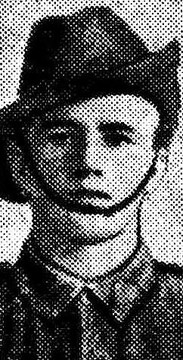
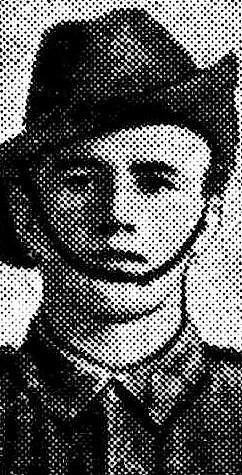
George Pringle (1893–1966) served with the Australian Imperial Force during the First World War and later in the Australian Army during the Second World War. Born near Parkes, New South Wales, he was working as a tanner in Botany when he enlisted in July 1915.
After training in Egypt, he was allotted to the newly formed 55th Battalion in March 1916. While still in Egypt, he was accidentally wounded in the foot when his rifle discharged, delaying his service. He later joined his battalion on the Western Front, where he endured the harsh conditions of trench warfare. He suffered from trench feet in 1916 and trench fever in 1917, requiring evacuation to England.
On 2 April 1917, during the attack on Doignies, George served as a battalion runner under heavy fire, carrying messages between the captured village and headquarters when communications had broken down. For his courage, reliability and determination, he was recommended for the Military Medal.
He returned to duty in 1918 but was later wounded by gas in action and again evacuated to England. Promoted to Lance Corporal, he returned to Australia in February 1919.
George enlisted again during the Second World War, serving with the 31st Garrison Battalion from 1940 to 1944 in a home defence role. He died on 15 August 1966 at Balmain North, New South Wales, aged 72.
Click images to start slideshow.