







PRATT, John Doughan Anthony
| Service Number: | O33840 |
|---|---|
| Enlisted: | Not yet discovered |
| Last Rank: | Squadron Leader |
| Last Unit: | HQ Australian Force Vietnam |
| Born: | Adelaide, South Australia, Australia, 9 April 1931 |
| Home Town: | Adelaide, South Australia |
| Schooling: | St Mathias, Cabra, South Australia |
| Occupation: | Navigator |
| Died: | Natural Causes, Canberra, Australian Capital Territory, Australia , 26 July 2025, aged 94 years |
| Cemetery: |
Norwood Park Crematorium, Mitchell, A.C.T. Maple Avenue, On Rock, Left Hand Side |
| Memorials: | Somerton Park Sacred Heart College "Old Scholars Who Served" Post WW2 Honour Board |
Vietnam War Service
| 8 Apr 1969: | Involvement Royal Australian Air Force, Squadron Leader, O33840, HQ Australian Force Vietnam, (RAAF Element) |
|---|
Help us honour John Doughan Anthony Pratt's service by contributing information, stories, and images so that they can be preserved for future generations.
Add my storyBiography contributed by Simon Pratt
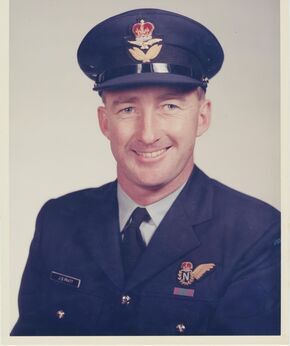
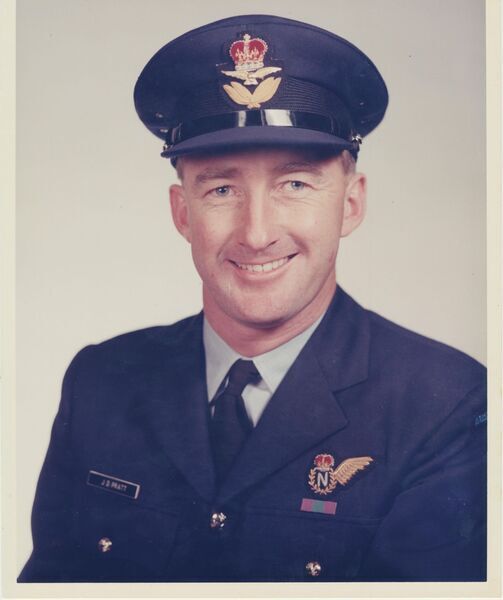
Group Captain (ret) John Doughan Pratt (1931 -2025)
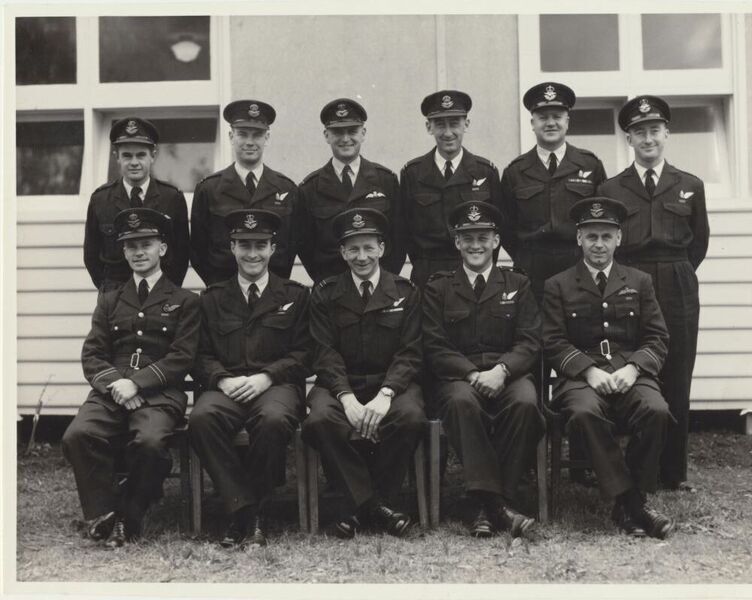
Born in Adelaide during the Great Depression, John joined the RAAF in February 1950, in the first post-WWII aircrew training intake. He took the Overland train to Melbourne – the first time he had left his home state – and commenced an 18-month course with No. 5 Aircrew Training Unit at Point Cook.
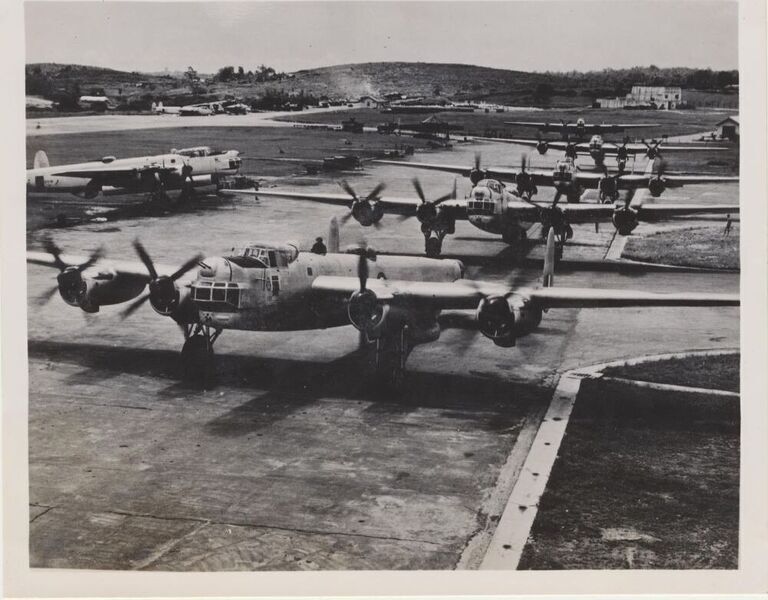
John remembered the airfield at the time as still littered with war surplus Liberators, Beaufighters, Spitfires and Kittyhawks, as he and the other eighty trainees practised in their old Tiger Moths. Soon, he transferred to the School of Air Navigation at East Sale to master the techniques of aerial navigation and bomb aiming, flying Ansons and Dakotas.
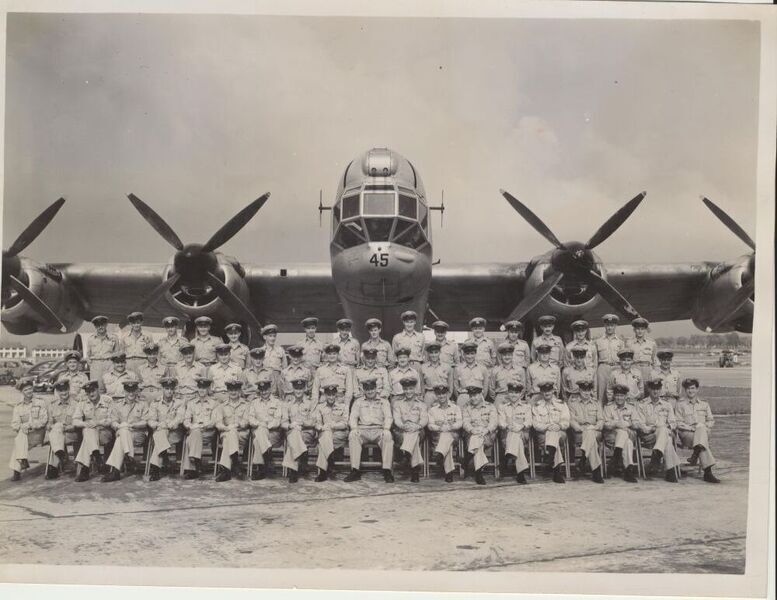
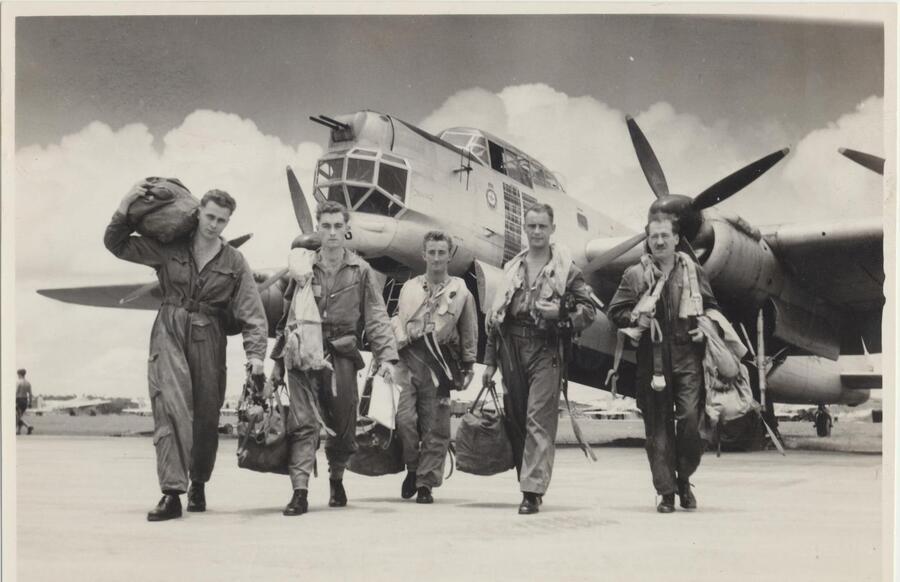
Graduating as a Sergeant Navigator, he was posted to No. 82 Bomber Wing ‘Find and destroy’ flying Lincolns at Amberley. Early training operations had his unit deploying to Manus Island, Darwin, Port Moresby and Guam, until in January 1952, John was posted to 1 Squadron at Tengah, Singapore to participate in the Malayan Emergency, bombing suspected insurgent camps in the jungle.
A typical mission dropped a mix of fourteen 1000 or 500 pounders from 3000 feet, followed by a strafing run. No results were ever observed. After 82 missions, he received his Malaya clasp, was commissioned, and posted back to Amberley, flying home first class on a Qantas Constellation. At that time, one of his trainee mates, Ken Smith, was killed flying Meteors in Korea.
John flew Lincolns with Geiger-counters fitted tracking the British atomic tests at Monte Bellow and Emu Field in 1952 before converting to the new, jet-powered Canberra bomber. In 1955 he was sent to the UK to bring one of the new Canberras (WT492) home, stopping at Darwin, Changi, Ceylon, Karachi, Baghdad, Tripoli and Marseilles enroute, and the same back to Australia two months later, with the RAAF’s second Canberra. They flew at 40,000 feet; far above controlled airspace. Along with their flight suits, a dinner suit was required for the airfield ‘entertainment’ at every RAF station along the route!
Aerial survey work for British missile tests out of Woomera and Edinburgh bases followed, until in 1958 John, again as navigator, had to deliver a Canberra (WJ987) back to the UK for modifications, and once more return it to Australia. The return route this time took in RAF bases at Tripoli, Khartoum, Aden, Karachi, Delhi and Singapore, overnighting at each.
In 1961 while posted as a navigation instructor to Pearce, WA, he married our mum, Geraldine Dunkerley, a TAA hostess, under an honour guard of RAAF swords, with Flt Lt John Foley as his best man. But he had joined the airforce! and two years later, after promotion to Squadron Leader, John was posted to the US Navy at Pensacola and then RAF Germany to study photographic reconnaissance, leaving wife and first child for one whole year.
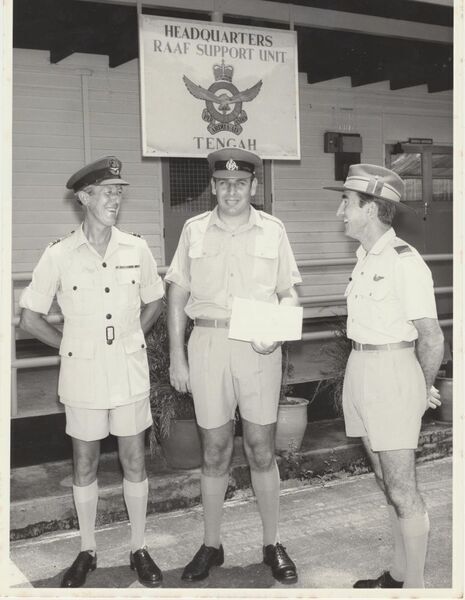
A stint at Staff College in Canberra came next, then to Operational Command, Glenbrook. This was followed by deployment to Saigon, South Vietnam in April 1969, working with the USAF on photographic reconnaissance, including operations in the Bronco FAC. Back in Australia, he served as Staff Officer to Chief of the Air Staff, Sir Colin Hannah and later AVM Reid, before accepting a posting as unit commander of RAAF Support Group Tengah, Singapore. Back to Tengah, 25 years on, and a vastly different world!
Now with five children in tow, the family flew first class in a new Qantas Boeing 747 in August 1973. The posting to Tengah occurred in the wider context of the UK’s withdrawal from Asia, Australia’s Labor government military downsizing efforts and the end of the Vietnam War.
Promotion to Group Captain came next, and a posting to the dreary Defence Services Conditions Directorate, back in Canberra at the new Department of Defence. It was too much for John after a globetrotting airforce career spanning a quarter century, and in 1976, he resigned his commission, going on to start a bookshop with his wife on the NSW Central Coast.
John passed away peacefully in 2025, aged 94.
Click images to start slideshow.