






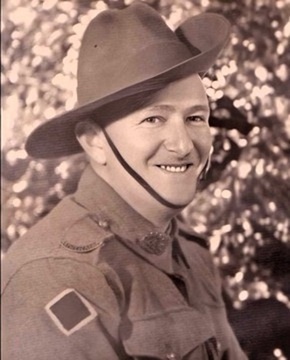
GRAHAM, Allan Shepherd
| Other Name: | Graham, Allan Sheppard |
|---|---|
| Service Number: | NX30499 |
| Enlisted: | 12 June 1940 |
| Last Rank: | Sapper |
| Last Unit: | 2nd/6th Field Company / Squadron RAE |
| Born: | Stockton, New South Wales, Australia, 2 September 1907 |
| Home Town: | Stockton, Newcastle, New South Wales |
| Schooling: | Not yet discovered |
| Occupation: | Barman at Hotel Civic, Canberra |
| Died: | Illness whilst POW (subcutaneous acne and contusions) , Burma, 14 August 1943, aged 35 years |
| Cemetery: |
Thanbyuzayat War Cemetery, (Burma) Thanbyuzayat War Cemetery, Thanbyuzayat, Mon State, Myanmar |
| Memorials: | Australian War Memorial Roll of Honour, Ballarat Australian Ex-Prisoners of War Memorial |
World War 2 Service
| 3 Sep 1939: | Involvement Sapper, NX30499 | |
|---|---|---|
| 12 Jun 1940: | Enlisted Australian Military Forces (WW2) , Private, NX30499 | |
| 19 Oct 1940: | Embarked Australian Military Forces (WW2) , Private, NX30499, 2nd/6th Field Company / Squadron RAE, Embarked in Sydney on 19th October 1940. Disembarked in the Middle East on 25th November 1940. | |
| 25 Nov 1940: | Involvement Sapper, NX30499, 2nd/6th Field Company / Squadron RAE, Middle East / Mediterranean Theatre, Following the capture of Tobruk in January 1941, the 2nd/6th Field Company was deployed to the port to restore and repair vital harbour facilities. The unit later moved through Benghazi to Egypt before being re-tasked to Syria, where they were engaged in bridging and road construction. | |
| 1 Feb 1942: | Embarked Sapper, NX30499, 2nd/6th Field Company / Squadron RAE, The 2nd/6th Field Company, along with the rest of the 7th Division, were recalled to Australia after the outbreak of the Pacific War. They embarked from Port Tewfik, Suez aboard the MV/HMT Orcades. | |
| 18 Feb 1942: | Involvement Sapper, NX30499, 2nd/6th Field Company / Squadron RAE, Convoys intended for Australia were diverted to Java to assist in the Dutch East Indies defence. 2nd/6th Field Company was landed at Batavia (Tanjung Priok), Java, mid-February 1942, to form part of “Blackforce” | |
| 12 Mar 1942: | Imprisoned Captured in Java by Japanese Forces | |
| 29 Oct 1942: | Imprisoned POW on Burma-Thai Railway |
Help us honour Allan Shepherd Graham's service by contributing information, stories, and images so that they can be preserved for future generations.
Add my storyBiography contributed by Kim Rumble
Allan Sheppard (“Ted”) GRAHAM
Allan Sheppard GRAHAM, known affectionately as “Ted"(due to his fond attachment to a beloved teddy bear) was born on 2 September 1907 in Stockton, New South Wales. He was somewhat of a surprise for his ageing parents, but a welcome gift nonetheless.
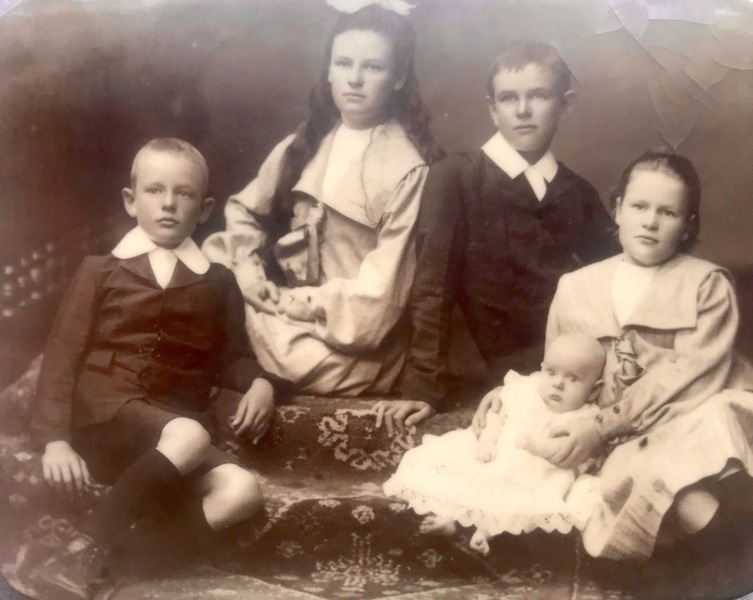
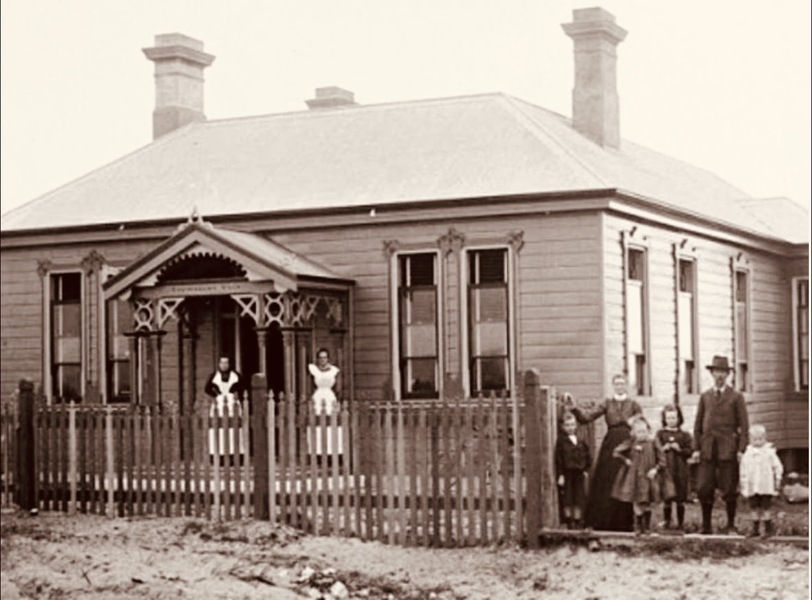
Ted was the youngest of six children: Harriett Louisa (1892), William Akerman (1894), Frances Alice (1896), Hercules Rae (1898), and Mildred Ethel (1900). Sadly, little Mildred, known in the family as “Baby Meg”, died at just two years of age. Despite this early loss, Ted grew up in a comfortable household. His father, Harry, worked as an accountant and later served as Town Clerk, while his mother, Frances, cared for the family home at “Canterbury Villa” on Mitchell Street in Stockton. The family lived well for the time, even employing domestic servants.
Around 1912, Ted’s father Harry retired from the Stockton Council, and the GRAHAM family relocated to their new property, “Rosedale,” at Kanwal, NSW. There as a family they established a citrus orchard, seeking to build a new life on the land.
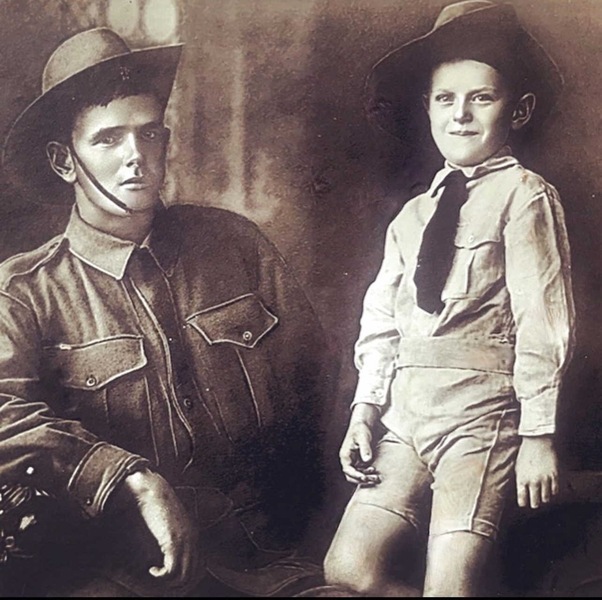
With the outbreak of the First World War, Ted’s two older brothers, William (“Bill”) and Hercules (“Jack”), immediately enlisted in the Australian Imperial Force, both serving in the Gallipoli Campaign. Young Ted, only seven years old at the time, was reportedly unimpressed at being left behind. On the back of a photograph taken of Bill in uniform alongside Ted, their father Harry wrote:
“The big brother must go and fight so that the younger brother may find the Empire solid under his feet as he grows up.”
While the older boys were away at war, tragedy struck the family. Their mother Frances passed away in 1915, followed by their father Harry in 1918. Unable to maintain the family’s citrus orchard alone, Ted, who was still a young boy, and his sisters eventually returned to Newcastle.
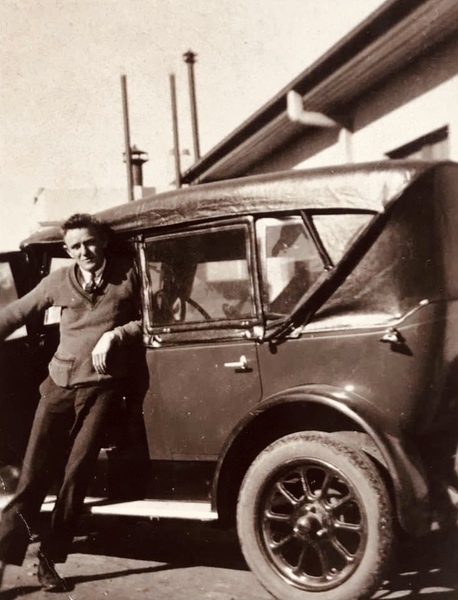
Some years later, Ted moved to the newly established capital city of Canberra to live with his brother Bill who had moved there in 1926. These were the difficult years of the Great Depression. Employment was scarce, and Ted found himself on a rotating work scheme where single men received only one week of work each month, while married men were allocated the remaining three weeks. During his week of employment, Ted lived in temporary camps near the worksites, performing heavy manual labour on roads, drainage works, and land clearing. By 1937, Ted had secured more stable employment in Canberra, first working as a porter and later as a barman at the Hotel Civic.
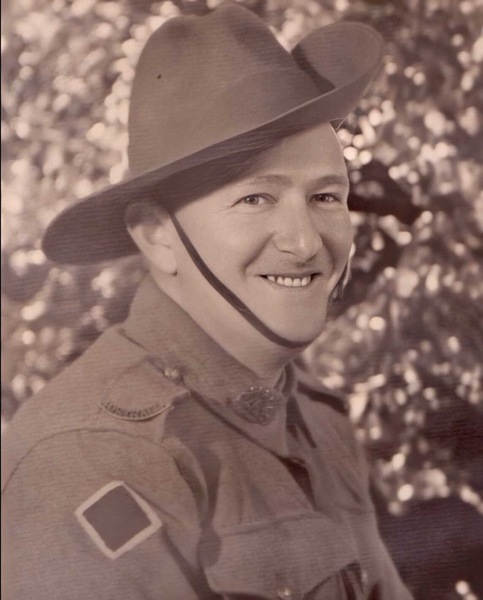
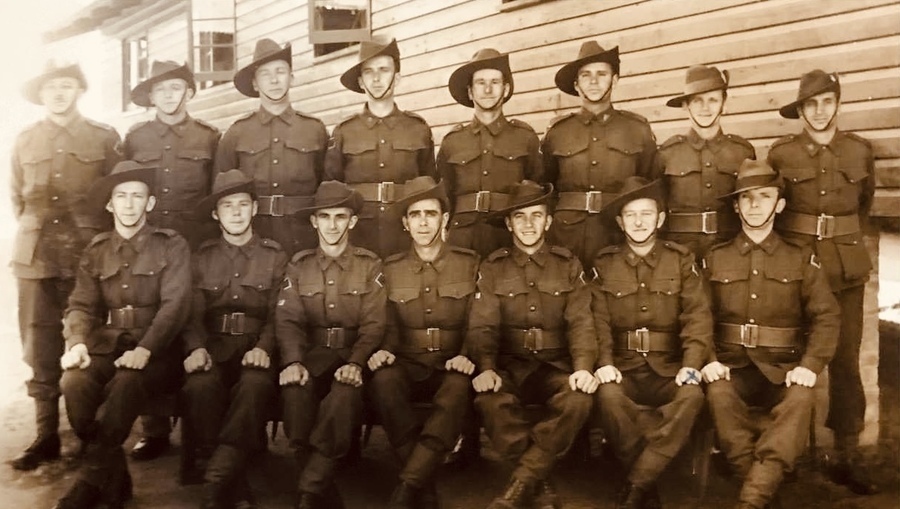
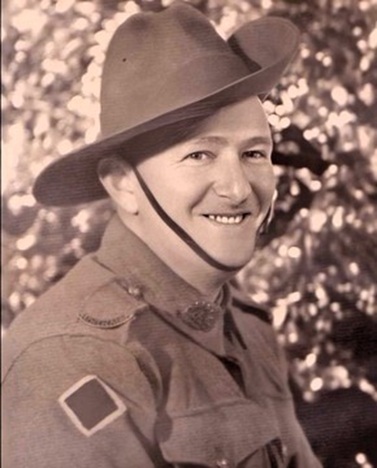
With the outbreak of the Second World War, Ted enlisted in Canberra and was posted to the 2nd/6th Field Company, Royal Australian Engineers. Sapper Allan Sheppard GRAHAM sailed with the 7th Division to the Middle East in October 1940.
Following the capture of Tobruk in January 1941, the 2nd/6th Field Company was deployed to the port to restore and repair vital harbour facilities. The unit later moved through Benghazi to Egypt before being re-tasked to Syria, where they were engaged in bridging operations and road construction.
After the outbreak of the Pacific War, Ted and his unit were recalled to Australia. In February 1942 they embarked from Port Tewfik, Suez, aboard the troopship MV/HMT Orcades. However, the Japanese advance across Southeast Asia was so rapid that convoys originally bound for Australia were diverted to the Netherlands East Indies to assist in its defence.
The 2nd/6th Field Company landed at Batavia (Tanjung Priok), Java, in mid-February 1942 and became part of “Black Force” under Brigadier Arthur Blackburn. Ted’s last officially recorded movements date to April 1942, when he was listed as “Reported Missing in Action, Java — transferred to X List". This was the last information his family received regarding his whereabouts during the war.
What has since been established is that Ted was captured in Java by Japanese forces and taken prisoner of war. He was eventually transported to Burma, where he was forced to labour on the infamous Thai–Burma Railway. Like many Allied POWs held there, Ted endured harsh conditions, including disease, severe malnutrition, relentless overwork, and brutal treatment at the hands of his captors.
Tragically, Ted died in captivity on 14 August 1943, aged just 35 years. His official cause of death was recorded as: “Died of illness whilst POW" (suspected tropical ulcers and contusions).
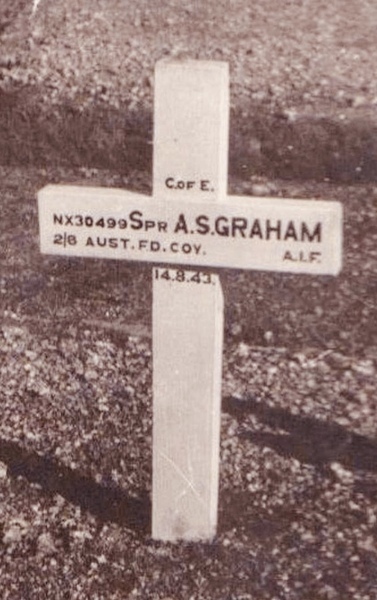
After first being laid to rest in a makeshift grave beside the railway by his comrades, Ted was later reinterred at Thanbyuzayat War Cemetery in Burma (now Myanmar). He is not alone - he lies among his fellow countrymen — one of 1,335 Australian servicemen who rest there together far from home.
Ted will never return home, remaining in foreign soil forevermore. His sacrifice is not forgotten. We, his family, remember him with pride and gratitude for the service he gave to this country. He served with courage and paid the ultimate price in captivity.
Today, his memory endures both in the quiet rows of Thanbyuzayat and in the hearts of the family who still speak his name.
"Their duty done, they rest in honour"
(Written in 2026 by his great-great niece, Kim Rumble, from information provided by his niece Joan Graham)
Click images to start slideshow.