








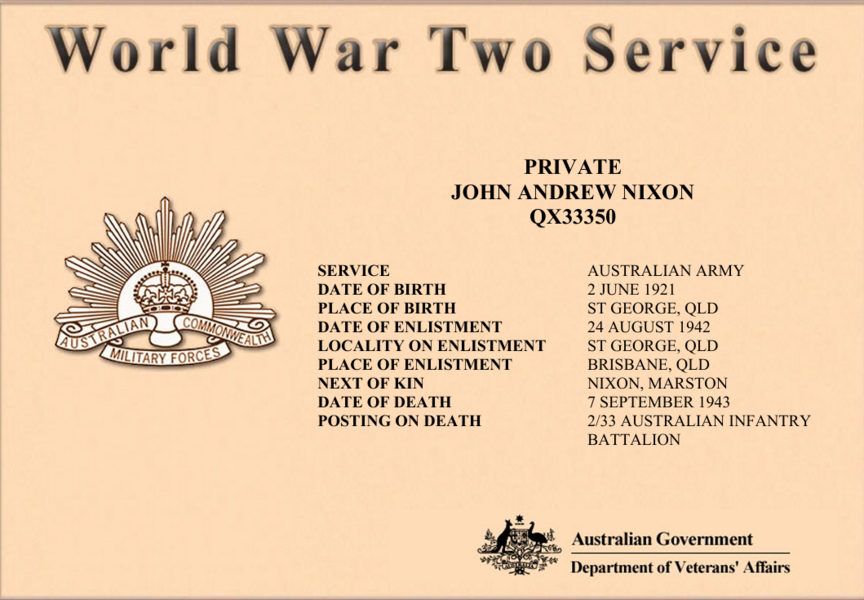
NIXON, John Andrew
| Service Number: | QX33350 |
|---|---|
| Enlisted: | 24 August 1942 |
| Last Rank: | Private |
| Last Unit: | 2nd/33rd Infantry Battalion |
| Born: | St George, Queensland, Australia, 2 June 1921 |
| Home Town: | St George, Balonne Shire, Queensland |
| Schooling: | Not yet discovered |
| Occupation: | Station Hand |
| Died: | Injuries, New Guinea, 7 September 1943, aged 22 years |
| Cemetery: |
Port Moresby (Bomana) War Cemetery, Papua New Guinea CWGC Grave No: Section C. Plot 1. Row F. Grave 12. |
| Memorials: | Australian War Memorial Roll of Honour, St George Memorial Wall - We Remember Their Sacrifice |
World War 2 Service
| 3 Sep 1939: | Involvement Private, QX33350 | |
|---|---|---|
| 24 Aug 1942: | Enlisted | |
| 24 Aug 1942: | Enlisted Australian Military Forces (WW2) , Private, QX33350, 2nd/33rd Infantry Battalion | |
| 7 Sep 1943: | Discharged |
Help us honour John Andrew Nixon's service by contributing information, stories, and images so that they can be preserved for future generations.
Add my storyBiography contributed by Stephen Bonald
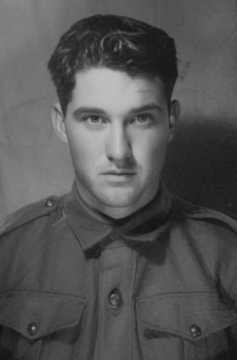
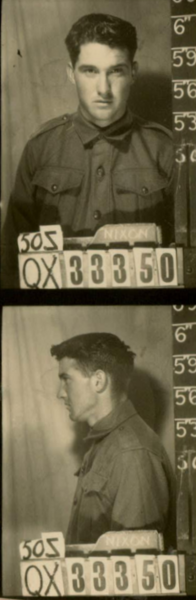
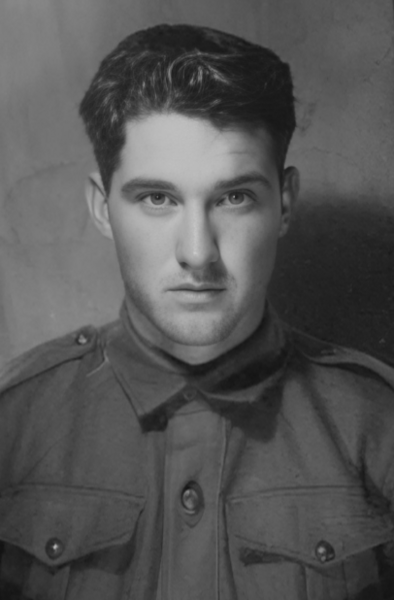
On Tuesday, September 7th, 1943, at Jackson Field in Port Moresby, New Guinea, a B-24D Liberator bomber (The Pride of the Cornhuskers) from the 403rd Bomber Squadron, 43rd Bombing Group USAAF, crashed during take-off, likely due to pilot disorientation in the dark. The aircraft hit trees and slammed into a convoy of trucks carrying over 130 soldiers from D Company, 2/33 Infantry Battalion of the Australian Army, who were waiting to board C-47 transport planes to move to the front lines. The bomber’s 500-pound bombs and 2,800 gallons of fuel exploded, killing 15 Australian soldiers instantly and severely injuring 47 more, who later died. Another 90 soldiers were wounded but survived, all 11 crew members aboard the bomber (The Pride of the Cornhuskers) were killed. Private John Andrew Nixon – QX33350, was one of the 47 Australian Military personnel severely burned, succumbing to his injuries on the same day.
Click images to start slideshow.