







SHAW, Alixis Eric Francis
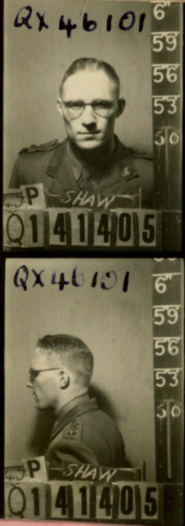
| Service Numbers: | Q141405, QX46101 |
|---|---|
| Enlisted: | 3 March 1943 |
| Last Rank: | Major |
| Last Unit: | Not yet discovered |
| Born: | Brisbane, Queensland, Australia, 20 February 1917 |
| Home Town: | East Brisbane, Brisbane, Queensland |
| Schooling: | St Laurence's College, Brisbane, Queensland, Australia |
| Occupation: | Medical Practitioner |
| Memorials: |
World War 2 Service
| 3 Mar 1943: | Involvement Major, Q141405, also QX46101 - died Jan 2009 (C'Mail) | |
|---|---|---|
| 3 Mar 1943: | Involvement Major, QX46101, also Q141405 - died Jan 2009 (C'Mail) | |
| 3 Mar 1943: | Enlisted | |
| 3 Mar 1943: | Enlisted Australian Military Forces (WW2) , Major, QX46101 | |
| 13 Dec 1945: | Discharged | |
| 13 Dec 1945: | Discharged Australian Military Forces (WW2) , Major, QX46101 |
Dr Eric Elexia Shaw
"The value of a man resides in what he gives and not in what he is capable of receiving." — Albert Einstein
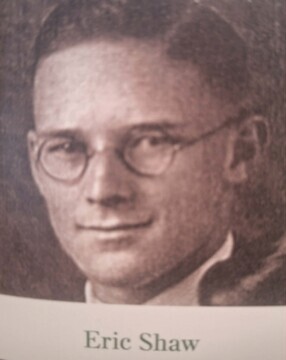
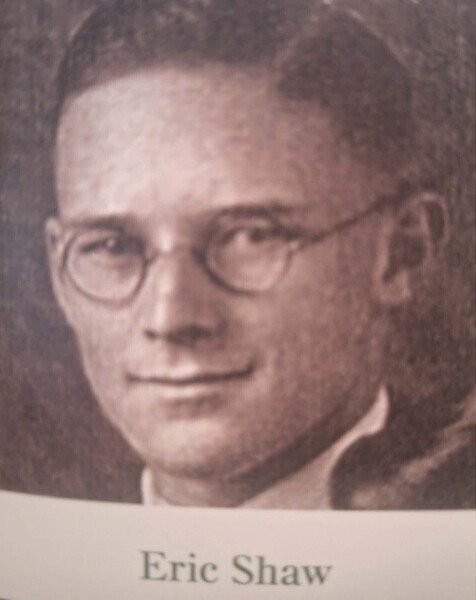
Alexei Eric SHOUIUPOFF, the son of Russian/Ukrainian parents, was born in Brisbane in 1917, and he was raised in the family home at 22 Inkerman Street, Woolloongabba.
It wasn’t long before his father Ivan (John) Anglicised the family names to allow them to fit in with their peers and Alexei started school in Year 1 at St Ita’s, Dutton Park as Eric Alexis Shaw, an unusual name for a lad who spoke nearly no English.
But Eric’s limited English skills were no barrier to his academic pursuits, in fact he was so advanced that at the age of 6.5 years, he was enrolled in Lauries to begin Year 3, and he is possibly the youngest child to have been accepted.
Lauries was to prove a boon for young Eric as it allowed him to soar not only academically, but also in the sporting field. At a time when Lauries had recently departed the Brisbane GPS competition, it had also changed its football code from Rugby Union to Rugby League and Eric thrived at both codes. Clearly, he enjoyed the physicality of the Rugby codes and his father, seeing this enjoyment, signed him up for wrestling as well. As was the way with Eric, he applied all his ability to his new sport and was subsequently crowned the Queensland Champion Wrestler.
After graduating from Lauries, Eric enrolled in the first cohort of Medicine at the University of Queensland and graduated in 1941 with not just a Bachelor of Medicine and Bachelor of Surgery (MBBS) but he also won the University Gold Medal for Surgery.
With World War 2 now deepening and the prospect of Japan’s entry into the war, Eric signed up for the Australian Army Medical Corp on the 29th of April 1942. Initially his work was as a pathologist and epidemiologist within Australia, and it was here that he met his wife, Olwyn, whom he married on the 17th of May, 1944.
Eric’s war service within Australia was coming to an end and in early 1945 he embarked for Moratai, and then Borneo where he directed the field medical responses in the infamously savage battles between the Aussies and the Japanese. These battles finally drove the enemy forces from the Southwest Pacific theatre of war once and for all, and into the South China Sea where the American forces were waiting for them.
By September 1945, the conclusion of World War 2, Eric had learned valuable lessons that would change the way the world responded to medical emergencies, he had also recognised the cruciality of blood replenishment in emergency situations.
So, with this knowledge under his belt he returned to Brisbane where he and Olwyn took up residence in Cook Street, Yeronga. Eric immediately set about establishing the Blood Transfusion Service (now Red Cross Blood Bank) and became the Director until he retired in 1982.
Some of Eric’s achievements in this role are:
1. Extensive publishing on haematology and blood transfusion.
2. Designing the first containers for whole blood transport throughout Australia.
3. His pioneering developments in the treatment of haemophiliacs and platelet deficiency.
4. Mass transfusion therapy; and
5. The cold storage of blood products.
It is widely accepted that procedures such as open-heart surgery would not have been possible without Eric’s leadership in the field of transfusion.
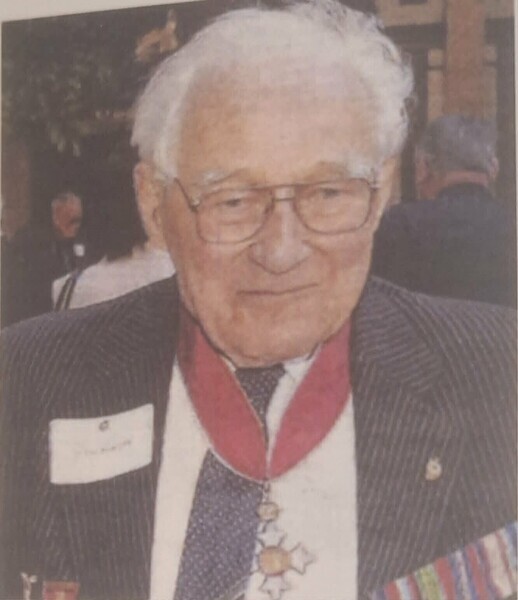
In 1966, Eric was recognized for his work in times of war and peace by Queen Elizabeth with the honour of being named a Commander of the Order of the British Empire CBE.
In the Queensland Hansard of 17th September, 1974 he was recognized as the world’s leading practitioner in the field of Hematology and Blood Transfusion.
In 1984, the University of Queensland honoured Eric by bestowing the title of Doctor of Surgery Honoris Causa (Dr. h.c) for his “outstanding and internationally recognized contribution to surgery, medicine and humanity”. ( https://alumni.uq.edu.au/story/1635/alexis-shaw-cbe )
Away from medicine, Eric was a strong family man and proponent of Catholic Social teaching and ethics.
Eric died at the age of 91 years, in 2009.
Dr Eric Shaw is a Lauries Old boy of whom we should all be very proud.
RIP Eric, SLOB Class of 1933.
Submitted 26 May 2026 by John Dinnen
Biography contributed by John Dinnen
"The value of a man resides in what he gives and not in what he is capable of receiving." — Albert Einstein
Alexei Eric SHOUIUPOFF, the son of Russian/Ukrainian parents, was born in Brisbane in 1917, and he was raised in the family home at 22 Inkerman Street, Woolloongabba.
It wasn’t long before his father Ivan (John) Anglicised the family names to allow them to fit in with their peers and Alexei started school in Year 1 at St Ita’s, Dutton Park as Eric Alexis Shaw, an unusual name for a lad who spoke nearly no English.
But Eric’s limited English skills were no barrier to his academic pursuits, in fact he was so advanced that at the age of 6.5 years, he was enrolled in Lauries to begin Year 3, and he is possibly the youngest child to have been accepted.
Lauries was to prove a boon for young Eric as it allowed him to soar not only academically, but also in the sporting field. At a time when Lauries had recently departed the Brisbane GPS competition, it had also changed its football code from Rugby Union to Rugby League and Eric thrived at both codes. Clearly, he enjoyed the physicality of the Rugby codes and his father, seeing this enjoyment, signed him up for wrestling as well. As was the way with Eric, he applied all his ability to his new sport and was subsequently crowned the Queensland Champion Wrestler.
After graduating from Lauries, Eric enrolled in the first cohort of Medicine at the University of Queensland and graduated in 1941 with not just a Bachelor of Medicine and Bachelor of Surgery (MBBS) but he also won the University Gold Medal for Surgery.
With World War 2 now deepening and the prospect of Japan’s entry into the war, Eric signed up for the Australian Army Medical Corp on the 29th of April 1942. Initially his work was as a pathologist and epidemiologist within Australia, and it was here that he met his wife, Olwyn, whom he married on the 17th of May, 1944.
Eric’s war service within Australia was coming to an end and in early 1945 he embarked for Moratai, and then Borneo where he directed the field medical responses in the infamously savage battles between the Aussies and the Japanese. These battles finally drove the enemy forces from the Southwest Pacific theatre of war once and for all, and into the South China Sea where the American forces were waiting for them.
By September 1945, the conclusion of World War 2, Eric had learned valuable lessons that would change the way the world responded to medical emergencies, he had also recognised the cruciality of blood replenishment in emergency situations.
So, with this knowledge under his belt he returned to Brisbane where he and Olwyn took up residence in Cook Street, Yeronga. Eric immediately set about establishing the Blood Transfusion Service (now Red Cross Blood Bank) and became the Director until he retired in 1982.
Some of Eric’s achievements in this role are:
1. Extensive publishing on haematology and blood transfusion.
2. Designing the first containers for whole blood transport throughout Australia.
3. His pioneering developments in the treatment of haemophiliacs and platelet deficiency.
4. Mass transfusion therapy; and
5. The cold storage of blood products.
It is widely accepted that procedures such as open-heart surgery would not have been possible without Eric’s leadership in the field of transfusion.
In 1966, Eric was recognized for his work in times of war and peace by Queen Elizabeth with the honour of being named a Commander of the Order of the British Empire CBE.
In the Queensland Hansard of 17th September, 1974 he was recognized as the world’s leading practitioner in the field of Haematology and Blood Transfusion.
In 1984, the University of Queensland honoured Eric by bestowing the title of Doctor of Surgery Honoris Causa (Dr. h.c) for his “outstanding and internationally recognized contribution to surgery, medicine and humanity”. ( https://alumni.uq.edu.au/story/1635/alexis-shaw-cbe )
Away from medicine, Eric was a strong family man and proponent of Catholic Social teaching and ethics.
Eric died at the age of 91 years, in 2009.
Dr Eric Shaw is a Lauries Old boy of whom we should all be very proud.
RIP Eric, SLOB Class of 1933.
Click images to start slideshow.