


SMITH, Barry Glenn
| Service Number: | R43061 |
|---|---|
| Enlisted: | Not yet discovered |
| Last Rank: | Petty Officer |
| Last Unit: | Not yet discovered |
| Born: | MELBOURNE, VICTORIA, AUSTRALIA, 30 November 1948 |
| Home Town: | Not yet discovered |
| Schooling: | Not yet discovered |
| Occupation: | Not yet discovered |
| Memorials: |
Vietnam War Service
| 15 May 1971: | Involvement Royal Australian Navy, Petty Officer, R43061 |
|---|
Help us honour Barry Glenn Smith's service by contributing information, stories, and images so that they can be preserved for future generations.
Add my storyBiography contributed
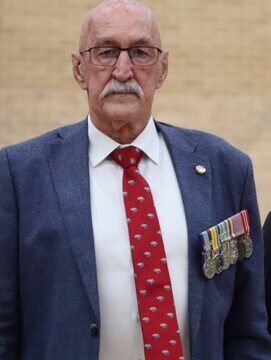
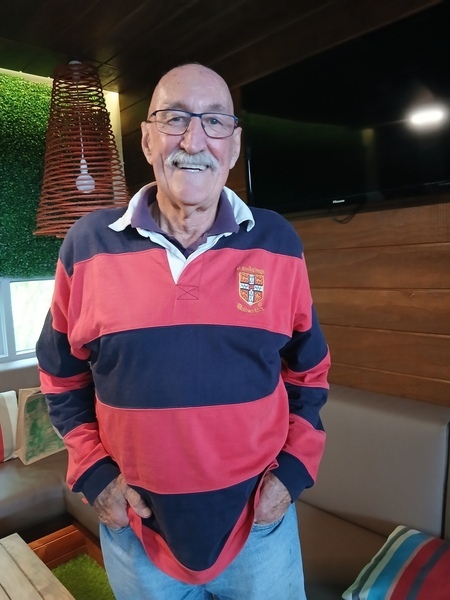
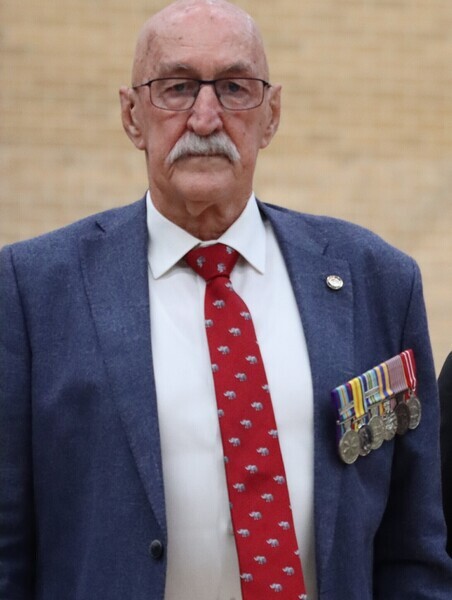
This biography has been written by the Year 12 VCE VM students of John Paul College, Frankston, who had the privilege of meeting and listening to Barry Smith on Tuesday the 17th of March 2026.
Barry Smith grew up wanting to be a teacher, his father however had other plans for him, given that the family had been involved in the military for four generations before him. At 16 years of age in 1965, he reluctantly enlisted in the Navy after being forced by dear old dad.
Automatic respect for elders and rigid discipline was the normal in his house. He dabbled in many sports and brought those aptitudes with him to the Navy, making easy alliances through team exercises and love of the game. Life was much simpler before the navy, and he had not yet experienced the challenges that military life would bring.
Bound with this duty, his joining was seen almost like a rite of passage. Even if he wasn’t given a say in this decision, his experience quickly turned positive. When asked to reflect Barry explained that his time at sea and serving overseas had become a “great adventure.”
Barry’s early years were challenging, with limited support in Navy training, but he developed resilience and strong teamwork skills. He was trained to be an Electronic Technician (Weapons) and his job in the Navy was maintaining the guns and missiles carried by the ships. He would maintain the weapons, repair any broken equipment and fire from afar.
While in Vietnam, the ships provided gunfire support to troops on shore. The days where long as they worked in two watches around the clock.
In the Navy he travelled to many countries for his work, he found himself back in Vietnam, saw Hawaii and went to Southeast Asia and Japan many times. These are only some examples. Barry earned four prominent awards, these were the Australian Defence Service medal, Australian Active Service medal, Vietnam Medal (Logistics and Support), and National medals, thanks to twenty diligent years of service at sea and ashore.
Returning home from Vietnam (specifically) wasn’t a fun time for any serviceman. Barry was faced with a chorus of protests and threats by citizens and activists opposing the war. This meant there was absolutely zero acknowledgment or respect from the public regarding his service.
War can have a long-lasting impact on veterans. It will affect their mental health, emotions, and everyday lives. After returning from the war, Barry said he faced challenges trying to adjust back to “normal” life. Like many veterans might say, the experiences he had during the war stayed with him. It was not easy to return to everyday routines after being in such situations. Despite this, he showed resilience and continued to move forward with his life and eventually was okay again, but it took some time.
Barry married and had two daughters and finally left the navy at age thirty-six. After the military, Barry continued working in his trade as a technician, building on the skills he had developed during his apprenticeship and military service. Over time, his career grew, and Barry is sure that his military service contributed greatly to his success.
Student Feedback:
I am grateful for veterans like Barry Smith because they made sacrifices to protect our country. They showed bravery by going into situations and putting others before themselves. Future students should learn about veterans to better understand history and to appreciate the service and dedication of those who served. By remembering and appreciating their sacrifices, we show respect and ensure their stories are not forgotten.
I would like to thank Barry Smith for his service and dedication to his country. His commitment, hard work, and willingness to serve in the Australian Navy helped protect others and contribute to a safer society. I am grateful for the sacrifices he made, especially the challenges he faced during and after his service, which have allowed future generations to live with greater security and opportunity.
Thanks so much, Barry, for everything you’ve done for our country. Your teamwork and courage helped keep people safe, and that’s something we should all be grateful for. I think future students should also be thankful for veterans like you because you risked your life so we can have freedom and live safely today. Your story really inspires me to be stronger and to respect the people who serve.
Click images to start slideshow.