







DAWES, Edmund Withers
| Other Name: | Dawes, Edward Withers - WW1 Service Record |
|---|---|
| Service Numbers: | 2368, V367936 |
| Enlisted: | 16 March 1942 |
| Last Rank: | Private |
| Last Unit: | 11th (NSW) Battalion Volunteer Defence Corps (VDC) |
| Born: | Iona, Victoria, Australia, 14 May 1895 |
| Home Town: | Bunyip, Cardinia, Victoria |
| Schooling: | Iona, Victoria, Australia |
| Occupation: | Builder |
| Died: | Collision with his auto-bike and a truck, Bunyip, Victoria, Australia, 30 June 1950, aged 55 years |
| Cemetery: |
Springvale Botanical Cemetery, Melbourne Grevillea, Garden J3, Bed 3, Rose 42 Memorial ID 244527769 · View Source |
| Memorials: | Ballarat Australian Ex-Prisoners of War Memorial |
World War 1 Service
| 10 Aug 1915: | Embarked Private, 2368, 14th Infantry Battalion, RMS Persia, Melbourne | |
|---|---|---|
| 10 Aug 1915: | Involvement Private, 2368, 14th Infantry Battalion, --- :embarkation_roll: roll_number: '11' embarkation_place: Melbourne embarkation_ship: RMS Persia embarkation_ship_number: '' public_note: '' |
World War 2 Service
| 16 Mar 1942: | Enlisted Australian Military Forces (WW2) , Private, V367936, 11th (NSW) Battalion Volunteer Defence Corps (VDC) | |
|---|---|---|
| 20 Sep 1945: | Discharged Australian Military Forces (WW2) , Private, V367936, 11th (NSW) Battalion Volunteer Defence Corps (VDC) |
Help us honour Edmund Withers Dawes's service by contributing information, stories, and images so that they can be preserved for future generations.
Add my storyBiography contributed by Maxine Dawes
https://www.findagrave.com/memorial/244527769/edmund-withers-dawes
Family Tree of John Darby and Alice Vincent
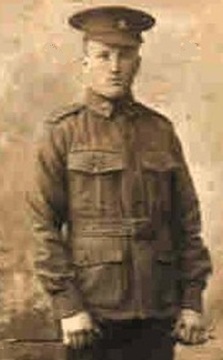
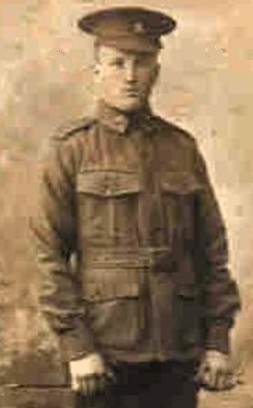
Private E. W. Dawes Service No. 2368
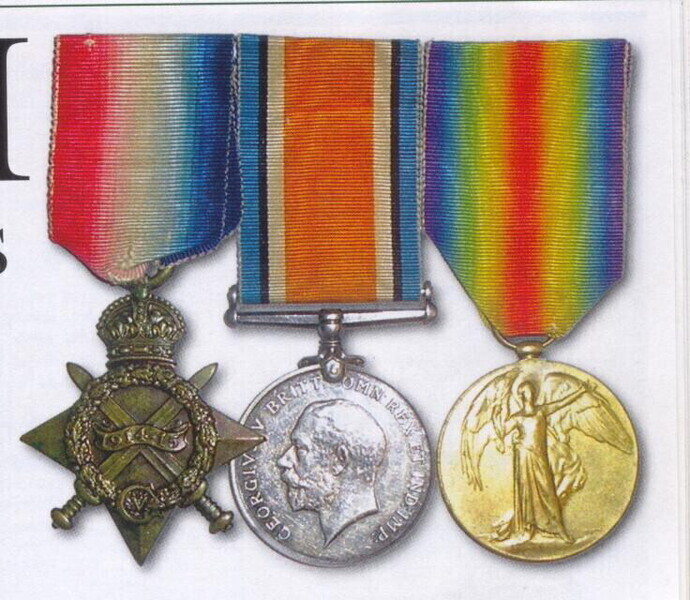
Date Record 14/05/1915 At 19 years and 11 months of age Edmund Withers Dawes, of Bunyip, Victoria enlisted with the Australian Imperial Force for service abroad.
For reasons unknown, his name was recorded as Edward Withers Dawes – he even signed his name as Edward Withers Dawes!
He was 5’6” and weighed 10 stone. His chest measurement was 34-37 inches. His complexion was fair, his eyes were grey, his hair was light brown and he had a scar on his right thigh.
Victorian recruits were assigned to the 14th Battalion. The 14th Battalion was part of the 4th Brigade of the 4th Australian Division.
10/08/1915 Embarked Melbourne aboard His Majesty’s Australian Transport ‘Persia’.
November 1915 Arrived at Anzac Advance Base at Mudros (Greece)
Most of his first month on foreign soil was spent in hospital with influenza.
January 1916 Alexandria (Egypt)
March 1916 Tel el-Kebir (Egypt).
In early March, Edmund was transferred from the 14th Battalion to the 46th Battalion. The 46th Battalion was also a Victorian battalion. It was part of the 12th Brigade of the 4th Australian Division. By the end of March Edmund had been assigned to the 12th Machine Gun Company.
02/06/1916 Departed Alexandria to join the British Expeditionary Force.
11/06/1916 Disembarked Marseilles (France) and transferred by rail to Armentieres.
This was known as the ‘nursery’ sector of the Western Front. The 1st, 2nd and 4th Australian Divisions gained their introduction to trench warfare here in the relatively ‘safe’ conditions around Armentieres.
07/07/1916 The Australian Divisions marched from Armentieres to St Omer. From St Omer they were taken by train to the Somme region of the Western Front.
14/07/1916 By the 14th of July the three Australian Divisions were billeted in the villages of Domart, Berteaucourt and Vignacourt to the NW of Amiens.
19-26/07/1916 The Australian 1st Division completed its relief of the British 2nd and 68th Brigades and took the village of Pozieres in the early morning of 23 July 1916.
Their next objective was Pozieres Ridge to the east of the village.
27/07/1916 The Australian 2nd Division relieved the Australian 1st Division and for the next 12 days continued trying to capture Pozieres Ridge.
Date Record 05-07/08/1916 The Australian 4th Division relieved the Australian 2nd Division.
The following information is taken from a statement made by Edmund on his repatriation to England.
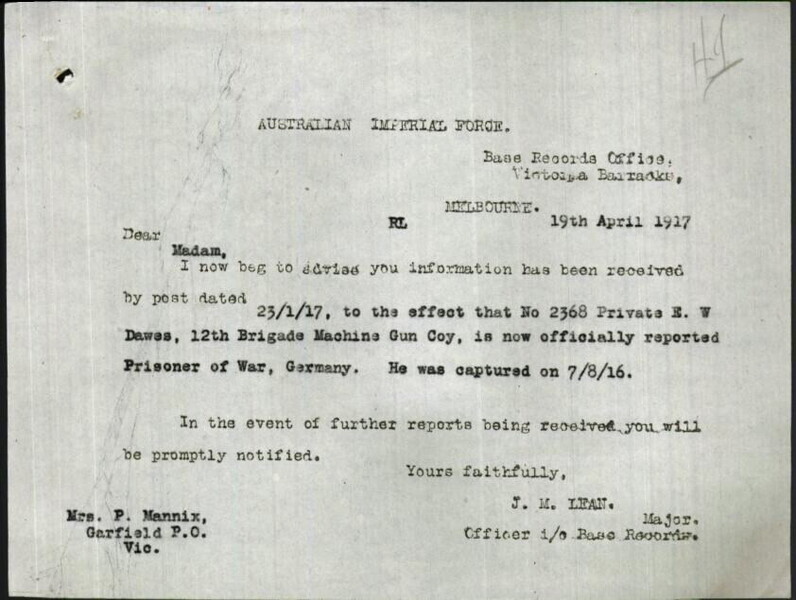
“We took over the front line, in front of POZIERES from the second Division on 6th August 1916. The enemy counter-attacked about 4.00am on the 7th August 1916 and broke through on our left flank and surrounded us. He captured the gun’s crew and a Sergeant and two bombers of the 48th Battalion. One man was slightly wounded. The rest of us were not wounded. … After capture we were taken to CAMBRAI, where we remained for three days. We were not badly treated.”
11/08/1916 “We were taken to DULMEN, Westphalia in Germany and put in the lager there. We remained here for six weeks and during that time we were practically starved. The food issued was not fit for human consumption. At the end of six weeks we were split up and sent to different camps.”
30/09/1916 Arrived in SPROTTAU in Silesia.
02/10/1916 Sent to work at a sugar factory.
Edmund worked here for six months and was not ill-treated during that time. The German ration was fairly good, but was insufficient. Edmund received his first Red Cross parcel in December 1916.
28/03/1917 Sent back to SPROTTAU where very little work was done for two months.
27/05/1917 Sent to work on a farm at LANGENWALDEN near Lieguitz.
Edmund was treated very well on the farm and worked here until the armistice was signed on 11 November 1918.
13/11/1918 Transferred back to the lager at SPROTTAU after receiving word from the British Help Committee.
04/01/1919 Left SPROTTAU and travelled through Sargan, Cottbus and to Rastatt on the Rhine and then through Nancy to Paris.
13/01/1919 Arrived Calais.
15/01/1919 Arrived Dover.
05/04/1919 Sailed for Australia aboard the ‘Amagh’.
18/05/1919 Disembarked in Australia.
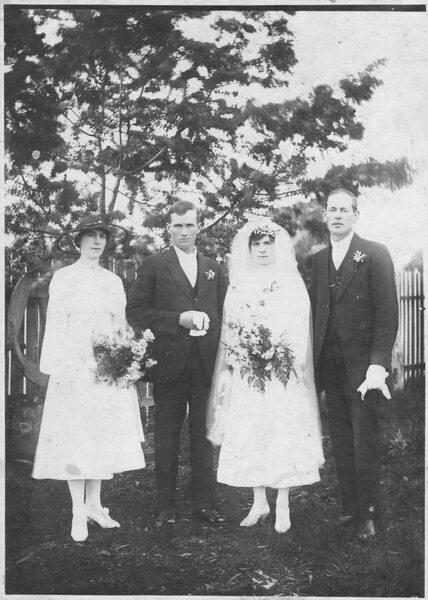
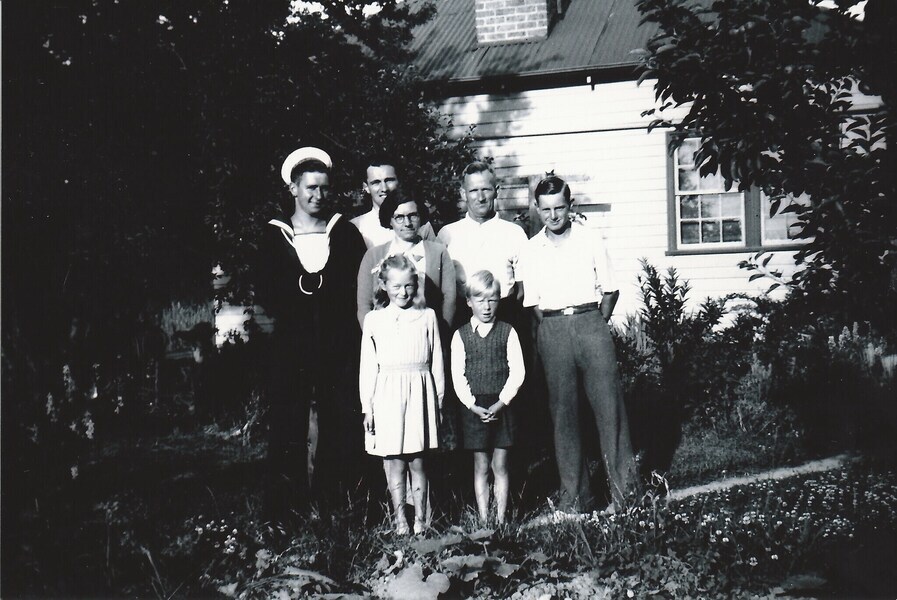
Several years laters he married Elizabeth Berry and they had five children. Mervyn, Edmund, Kevin, Graham and Merle. He died young (in 1950)- being involved in a collision while on an auto bike with a truck - my mother (Patricia Lynch/Dawes) tells me that Edmund was a lovely kind man who believed life was worth living as long as he had his cats and his beer - my mum was staying with them on the farm the day that her father-in-law passed away. It was a very sad day - he was much loved.

Click images to start slideshow.