






STEIN, John William
| Service Number: | 2937 |
|---|---|
| Enlisted: | 25 September 1916 |
| Last Rank: | Private |
| Last Unit: | 47th Infantry Battalion |
| Born: | Euthalla, Queensland, Australia, 22 January 1893 |
| Home Town: | Roma, Maranoa, Queensland |
| Schooling: | Yingerbay State School, Queensland, Australia |
| Occupation: | Labourer |
| Died: | Killed in action, Dernancourt, France, 5 April 1918, aged 25 years |
| Cemetery: |
No known grave - "Known Unto God" Villers-Bretonneux Memorial, Villers-Bretonneux, Picardie, France |
| Tree Plaque: |
Roma Heroes Avenue
|
| Memorials: | Australian War Memorial Roll of Honour, Roma Cenotaph, Town of Roma and Shire of Bungil WW1 Honour Board, Villers-Bretonneux Memorial |
World War 1 Service
| 25 Sep 1916: | Enlisted AIF WW1, Private, 2937, 47th Infantry Battalion | |
|---|---|---|
| 27 Oct 1916: | Involvement Private, 2937, 47th Infantry Battalion, --- :embarkation_roll: roll_number: '19' embarkation_place: Brisbane embarkation_ship: HMAT Marathon embarkation_ship_number: A74 public_note: '' | |
| 27 Oct 1916: | Embarked Private, 2937, 47th Infantry Battalion, HMAT Marathon, Brisbane |
Help us honour John William Stein's service by contributing information, stories, and images so that they can be preserved for future generations.
Add my storyBiography contributed by Stephen Brooks
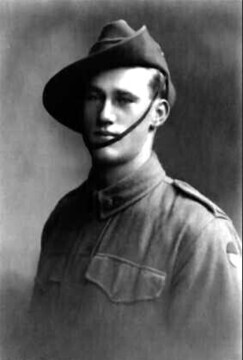
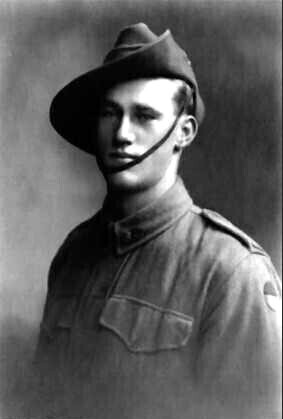
John William Stein was known as ‘Jack’ Stein to his family and friends. He was the son of Frederick Henry and Mathilde Stein of Yingerbay, near Roma, Queensland. His father, born in Germany, had come to Queensland in 1876 and was one of the pioneer settlers of the Roma district. Jack’s mother was also German born, having arrived in Australia as a baby during 1863.
Jack Stein on enlistment was 6ft 2in and about 13 stone, and was said to be ‘a very fine stamp of Australian native.’ He arrived in England in January 1917 as a reinforcement for the 47th Battalion. He was given a lot of training in England, including a Cookery School. He only joined the 47th Battalion during January 1918.
Jack Stein was said to be part of A Company of the battalion, and this Company took the brunt of a very heavy German infantry assault on the morning of the 5 April 1918. In fact, one of the witnesses to Jack’s death stated that only 11 men out of 160 in A Company came out after the battle. Jack was seen to be shot very close to the railway line at Dernancourt where the Company was posted. A note in his file says he was buried in the Military Cemetery, Dernancourt Railway Line, but if so, his grave was lost or unmarked by the end of the war.
Click images to start slideshow.