







WILLIAMS, Francis Herbert
| Service Numbers: | 1652, R1652 |
|---|---|
| Enlisted: | 8 December 1914 |
| Last Rank: | Lance Corporal |
| Last Unit: | 12th Infantry Battalion |
| Born: | Mathinna, Tasmania, Australia, 14 October 1891 |
| Home Town: | Mathinna, Break O'Day, Tasmania |
| Schooling: | Not yet discovered |
| Occupation: | Labourer |
| Died: | Launceston, Tasmania, Australia, 30 March 1975, aged 83 years, cause of death not yet discovered |
| Cemetery: |
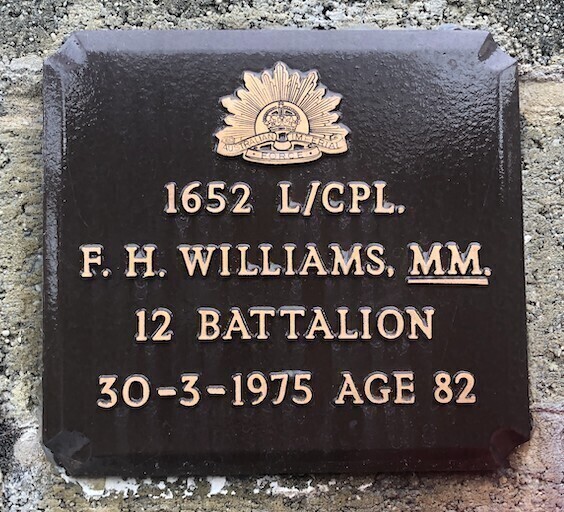
Carr Villa Memorial Park, Tasmania Cremation Memorials, Northern Wall, F2, 1 |
| Memorials: | Fingal Roll of Honour |
World War 1 Service
| 8 Dec 1914: | Enlisted AIF WW1, Private, 1652, 12th Infantry Battalion | |
|---|---|---|
| 19 Feb 1915: | Embarked Private, 1652, 12th Infantry Battalion, HMAT Runic, Melbourne | |
| 19 Feb 1915: | Involvement Private, 1652, 12th Infantry Battalion, --- :embarkation_roll: roll_number: '10' embarkation_place: Melbourne embarkation_ship: HMAT Runic embarkation_ship_number: A54 public_note: '' | |
| 8 Feb 1916: | Embarked AIF WW1, Private, R1652, 12th Infantry Battalion | |
| 10 Apr 1917: | Promoted AIF WW1, Lance Corporal, 12th Infantry Battalion | |
| 6 May 1917: | Honoured Military Medal, Bullecourt (Second) | |
| 23 Apr 1918: | Honoured Military Medal and bar, Villers-Bretonneux |
Help us honour Francis Herbert Williams's service by contributing information, stories, and images so that they can be preserved for future generations.
Add my storyBiography contributed by Stephen Brooks
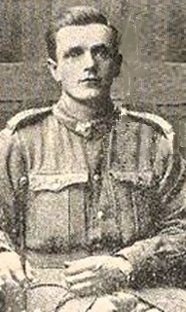
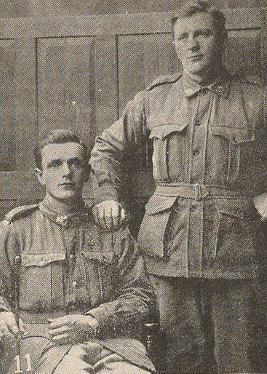
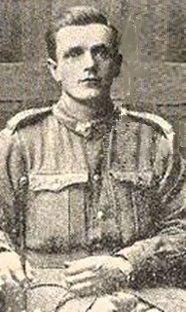
Francis Herbert Williams was a son of Andrew James and Sarah Jane Williams of Mathinna, Tasmania. His family had a remarkable record of service during WW1, with four brothers enlisting from the small bush town near Mount Ben Lomond in Tasmania.
Known as ‘Frank’ Williams, he enlisted in 1914 and was awarded a Military Medal and Bar. He had a brother killed at Gallipoli, and another brother was also awarded a Military Medal. The three brothers who returned to Australia were all wounded on various occasions.
Frank’s older brother, 1108 Private Charles Henry Ernest Williams 15th Battalion AIF, was killed in action during heavy fighting on 2 May 1915.
Frank also enlisted in 1914, and arrived on Gallipoli five days after his brother was killed.
Frank was badly wounded on 30 May 1915, a penetrating wound to the abdomen, and evacuated back to Egypt. By July his injury had become a bomb wound to the kidney and on 15 August 1915 he was returned to Australia for a change. Whist recovering in Egypt he wrote a letter home which was published in the Hobart Daily Post 7 August 1915, under the heading “LOVING THE GAME.”
“Copy of a letter received by Mr. J. Williams, of Mathinna, from his son, Private Frank Williams, a native of Mathinna, and a popular lad. He has been twice wounded. His elder brother (Charlie) was killed just after landing at the Dardanelles: — I was wounded three weeks ago, and am now doing well. I was shot through under the heart. I am out of the hospital now, but very weak and thin. I believe it has crippled me for life. It may go away in time. We have had some very hard fighting. We were fighting for three days, so you can guess what it was like. I love the game. I never thought I had the pluck I have. My God, those Jack Johnson shells, if they hit anywhere near you, they shake you off your feet. I had five weeks in the trenches before I got hit. The weather is fearfully hot over here now; men are getting sunstroke every day. Well, father, I have never had a word from anyone at Mathinna since I left Broadmeadows camp, but am living in hopes of getting a letter someday, so I wish you goodbye, hoping you are all well, but I cannot say I am, but not too bad. P.S. — A bullet hits hard when it hits you in the ribs.”
Frank Williams arrived home in Mathinna during September 1915, being feted as the first wounded hero to return there. A large ‘Welcome Home’ was strung across the main street and a large crow assembled at ‘Polley’s Hotel’ to greet him when he arrived by motor, having been picked up in Fingal by his father and uncle.
He was not home long for he left Australia again in February 1916, arriving in Suez a month later. He travelled to England in August 1916, and was taken on strength of the 12th Battalion in France on 6 October 1916. He was made a Lance Corporal on 10 April 1917.
During heavy fighting at Bullecourt, he was awarded a Military Medal. “Williams and Lance Corporal G.W. Turner commanded adjoining posts in operations east of Bullecourt on 6 May 1917. They were heavily attacked with bombs and rifle grenades, both were wounded but remained at their posts and retaliated with bombs and drove the enemy off, displaying splendid qualities of courage and leadership.”
He was sent to England for training duties for much of the rest of 1917 and he rejoined the 12th Battalion in France on 6 January 1918.
He was soon awarded a Bar to his Military Medal, “For gallant conduct at Meteren on the evening of 23 April 1918, during an enemy attack, Lance Corporal Williams, in company with Private Duggan rushed from his post and attacked and killed the crew of a machine gun, which was inflicting casualties on his platoon. The gun was found next morning near the enemy lines. Lance Corporal Williams was severely wounded in the groin.”
He was evacuated to England and treated for bullet or shrapnel wounds to his back, groin and scrotum. He was returned to Australia a few months later. He arrived back in Mathinna on 16 October 1918, the main street was “bedecked with flags and streamers, and across the road in front of the hall was stretched a banner (bearing the words, ‘Welcome home.’ About 5.30 p.m. a large crowd had collected to do honour to Lance-Corporal Frank Williams, MM, who has returned from the front, after being again wounded. The State School fife and drum band played selections of music until the motor bearing the returned soldier hove in sight, when it struck up ‘Home, sweet home.’ On the motor pulling up three hearty cheers were given for Lance Corporal Williams. Speakers praised the conduct of Lance-Corporal Williams, and also his brothers, four of whom have been in the firing line, one who had been killed, and the other three wounded more than once.”
Frank Williams married in 1919, and raised seven children, moving to Beaconsfield, Tasmania. He passed away in Launceston during 1975, at 83 years of age.
Another brother, 742 Private James Andrew Williams 15th Battalion AIF, was awarded a Military Medal for bravery in 1917, was wounded and returned to Australia during September 1919.
Click images to start slideshow.