







Coming Soon.
WILLOCK, Richard David
Personal Details
| Service Number: | 210 |
|---|---|
| Enlisted: | 1 January 1916, Liverpool |
| Last Rank: | Private |
| Last Unit: | 4th Machine Gun Battalion |
| Born: | Rockley, New South Wales, Australia, 27 May 1892 |
| Home Town: | Mallanganee, Kyogle, New South Wales |
| Schooling: | Not yet discovered |
| Occupation: | Farm Labourer |
| Died: | Natural causes, Casino, New South Wales, Australia, 4 September 1962, aged 70 years |
| Cemetery: |
Casino Lawn Cemetery, NSW Section A, Row A, Grave 30. |
| Memorials: | Mallanganee WW1 Roll of Honour |
Service History
World War 1 Service
| 1 Jan 1916: | Enlisted AIF WW1, Private, 210, Liverpool | |
|---|---|---|
| 13 May 1916: | Involvement Private, 210, 36th Infantry Battalion, --- :embarkation_roll: roll_number: '17' embarkation_place: Sydney embarkation_ship: HMAT Beltana embarkation_ship_number: A72 public_note: '' | |
| 13 May 1916: | Embarked Private, 210, 36th Infantry Battalion, HMAT Beltana, Sydney | |
| 20 Dec 1916: | Wounded AIF WW1, Private, 210, 36th Infantry Battalion, 'The Winter Offensive' - Flers/Gueudecourt winter of 1916/17, Shrapnel wound right thumb - remained at duty | |
| 27 May 1917: | Wounded AIF WW1, Private, 210, 36th Infantry Battalion, Battle of Messines, Le Touquet, GSW back, left hand and wrist. | |
| 14 Jul 1917: | Wounded AIF WW1, Private, 210, 36th Infantry Battalion, GSW left wrist | |
| 4 Oct 1917: | Wounded AIF WW1, Private, 210, 36th Infantry Battalion, Broodseinde Ridge, Contusions right ankle | |
| 15 Oct 1917: | Wounded AIF WW1, Private, 210, 36th Infantry Battalion, 1st Passchendaele, GSW head | |
| 4 Apr 1918: | Wounded AIF WW1, Private, 210, 36th Infantry Battalion, German Spring Offensive 1918, GSW left forearm | |
| 27 Aug 1918: | Transferred AIF WW1, Private, 4th Machine Gun Battalion | |
| 19 Aug 1919: | Discharged AIF WW1, Private, 210, 4th Machine Gun Battalion |
Personal Stories
Help us honour Richard David Willock's service by contributing information, stories, and images so that they can be preserved for future generations.
Add my story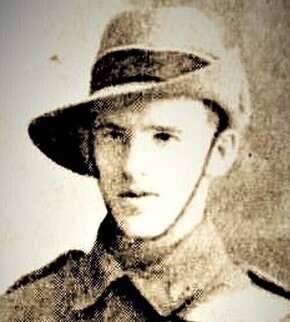
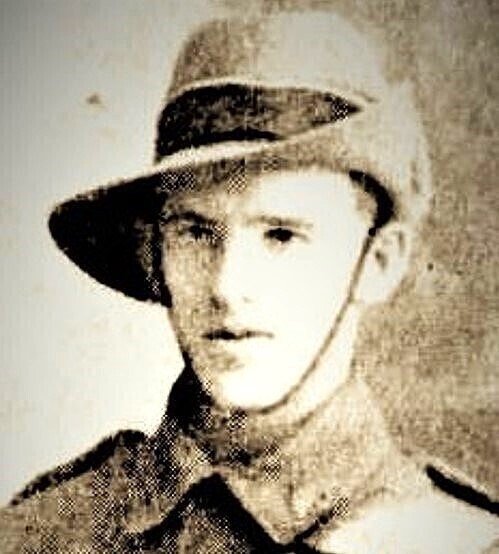
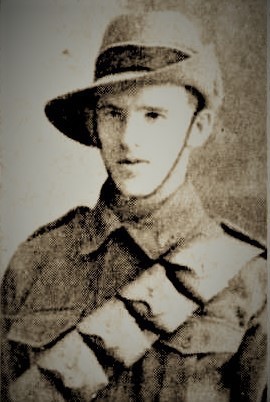
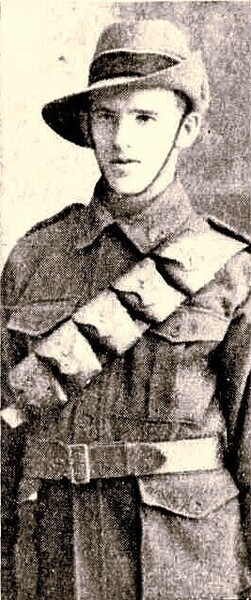
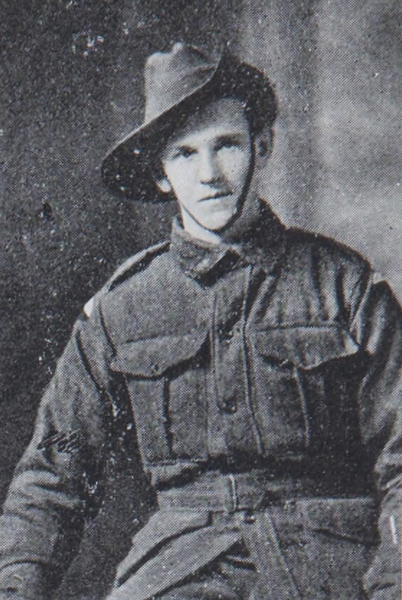
Showing 4 of 4 images.
Click images to start slideshow.
Click images to start slideshow.