







FLANAGAN, William
| Service Numbers: | 2217, Q187284 |
|---|---|
| Enlisted: | 8 September 1914 |
| Last Rank: | Private |
| Last Unit: | 1 Garrison Battalion (QLD) |
| Born: | Footscray, Victoria, Australia, 3 January 1893 |
| Home Town: | South Melbourne, Port Phillip, Victoria |
| Schooling: | Not yet discovered |
| Occupation: | Farm labourer |
| Died: | Brisbane, Queensland, Australia, 17 August 1853, cause of death not yet discovered |
| Cemetery: |
Lutwyche Cemetery, Brisbane, Qld Anzac Portion 8 |
| Memorials: |
World War 1 Service
| 8 Sep 1914: | Enlisted AIF WW1, Driver, 2217, 3rd Field Artillery Brigade | |
|---|---|---|
| 17 Sep 1914: | Involvement Driver, 2217, 3rd Field Artillery Brigade , --- :embarkation_roll: roll_number: '3' embarkation_place: Melbourne embarkation_ship: HMAT Geelong embarkation_ship_number: A2 public_note: '' | |
| 17 Sep 1914: | Embarked Driver, 2217, 3rd Field Artillery Brigade , HMAT Geelong, Melbourne | |
| 12 Jun 1918: | Discharged AIF WW1, Driver, 4th Field Artillery Brigade, 3rd MD, Medically discharged (gassed) |
World War 2 Service
| 3 Nov 1939: | Involvement Private, Q187284 | |
|---|---|---|
| 3 Nov 1939: | Enlisted Australian Military Forces (WW2) , Private, Q187284, 1 Garrison Battalion (QLD) | |
| 3 Nov 1939: | Enlisted | |
| 12 Sep 1941: | Discharged Australian Military Forces (WW2) , Private, Q187284, 1 Garrison Battalion (QLD) | |
| 12 Sep 1941: | Discharged |
Help us honour William Flanagan's service by contributing information, stories, and images so that they can be preserved for future generations.
Add my storyBiography contributed by Evan Evans
From Australian Remembrance Army
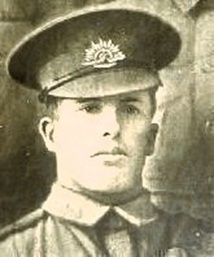
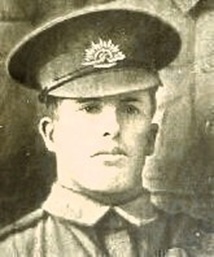
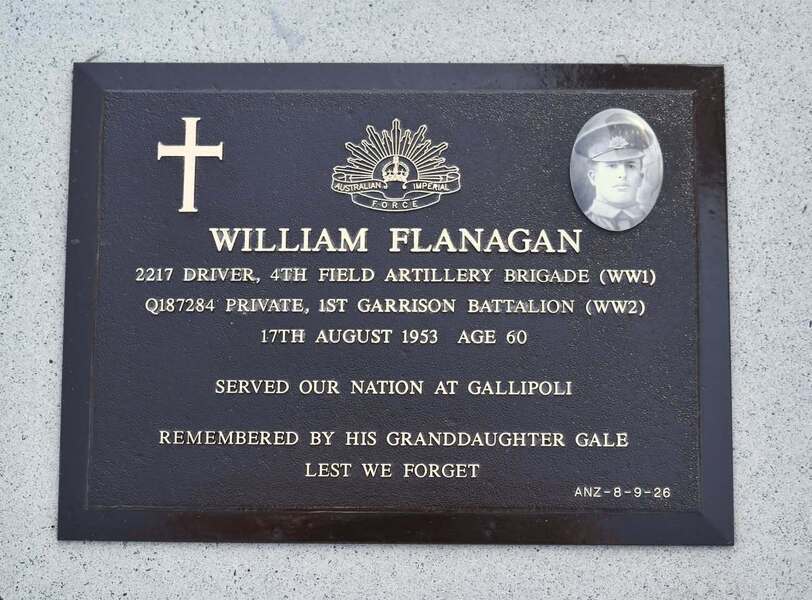
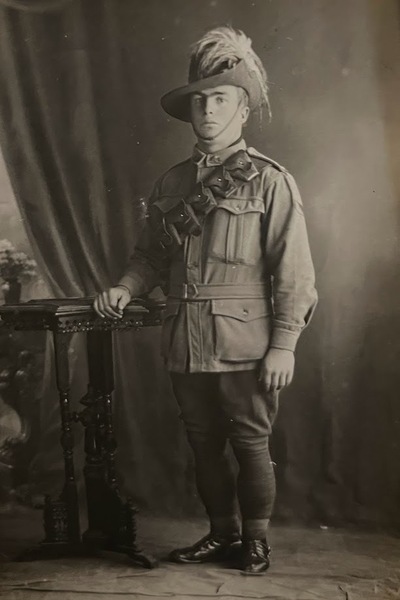
Private William Flanagan, an Australian veteran of both World Wars and who served our nation at Gallipoli, is among almost 800 previously unmarked WWI veterans’ graves in Lutwyche Cemetery we have now marked with a plaque in recognition of their service for Australia.
We unveiled his plaque in Lutwyche Cemetery on 23 September 2023, along with a further 300 plaques on the previously unmarked graves of Australian World War One veterans:
See Australian Remembrance Army Facebook page
Service WWI:
2217, Driver ,1st AIF, 4th Field Artillery Brigade:
Service WWII:
Q187284, Private, 2nd AIF, 1st Garrison Battalion:
William Flanagan, born on 3 January 1893 at Footscray, Victoria, to Michael Flanagan and Frances Flanagan (nee Dodson). He enlisted in the Australian Imperial Force on 8 September 1914 and embarked from Melbourne for overseas service with the 4th Field Artillery Brigade. He served continuously on active service throughout the First World War and was repeatedly hospitalised for illness and injury. In March 1917 he was treated for septic sores, scabies, and an ulcerated leg before returning to duty. On 29 October 1917 he was wounded in action on the Western Front and subsequently suffered gas poisoning following exposure to gas shelling. He was evacuated through field and general hospitals and transferred to England, where he was admitted to Beaufort War Hospital.
Medical authorities determined that he had sustained permanent disabilities including disordered action of the heart (D.A.H.) and blindness of the left eye as a result of gas exposure. He was invalided to Australia in early 1918 and discharged from the AIF on 12 June 1918 as medically unfit for further service.
Following the outbreak of the Second World War, William Flanagan again presented for military service and enlisted in Brisbane on 11 October 1939, at which time he was recorded as married but separated. He was allotted to the No. 1 Garrison Battalion of the Australian Military Forces, with his attestation noting prior active service in France during the First World War. During his Second World War service he was medically classified as restricted, and his health deteriorated due to chronic conditions including fibrosed lungs, spondylitis, and spinal deformity. These conditions rendered him unfit for continued duty, and he was discharged on medical grounds on 8 December 1941.
In December 1945, the Truth newspaper in Sydney reported court proceedings in which Flanagan, described as a docker and an Anzac veteran, pleaded guilty to a charge of bigamy. During the hearing it was stated that he had served at Gallipoli and in France during the First World War and had later served approximately two years during the Second World War, and that he had been gassed in France. In sentencing Flanagan, the judge took into account his war service, gas injuries, and poor health, and ordered that he perform light labour.
Private William Flanagan died on 17 August 1953, aged 60, and was buried in Anzac Portion 8, Lutwyche Cemetery, Brisbane.
After decades without recognition at his place of burial, his grave now bears a plaque commemorating his service to Australia — ensuring his name endures among those remembered for their duty and sacrifice.
We have remembered him.
Lest We Forget.



Click images to start slideshow.