



MARSHALL, Thomas Arnold
| Service Number: | 3171 |
|---|---|
| Enlisted: | 27 August 1915, Enlisted in Melbourne, Victoria. |
| Last Rank: | Private |
| Last Unit: | 21st Infantry Battalion |
| Born: | Latrobe, Tasmania, Australia, 25 July 1889 |
| Home Town: | Ulverstone, Tasmania |
| Schooling: | Not yet discovered |
| Occupation: | Buttcher |
| Memorials: |
World War 1 Service
| 27 Aug 1915: | Enlisted AIF WW1, Private, 3171, 21st Infantry Battalion, Enlisted in Melbourne, Victoria. | |
|---|---|---|
| 18 Nov 1915: | Involvement Private, 3171, 21st Infantry Battalion, --- :embarkation_roll: roll_number: '13' embarkation_place: Melbourne embarkation_ship: HMAT Wiltshire embarkation_ship_number: A18 public_note: '' | |
| 18 Nov 1915: | Embarked Private, 3171, 21st Infantry Battalion, HMAT Wiltshire, Melbourne |
Help us honour Thomas Arnold Marshall's service by contributing information, stories, and images so that they can be preserved for future generations.
Add my storyBiography contributed by Stephen Brooks
Thomas Arnold Marshall was one of four sons of Enoch and Margaret Marshall of Ulverstone, Tasmania, who enlisted and served overseas during WW1.
Two of his brothers lost their lives, an older one, 26/592 Sergeant Abraham Alexander Marshall 4th Battalion 3rd New Zealand Rifle Brigade, died of wounds in France on 14 July 1916, age 36, and a younger one, 452 Private Sydney Alexander Gordon Marshall 40th Battalion AIF, was killed in action in Belgium 13 October 1917 at only 19 years of age.
Another of Thomas' brothers Lieutenant Albert Morris Marshall 15th Battalion was captured by the Germans at Bullecourt on 11 April 1917. He was a prisoner of war in Germany for over 18 months.
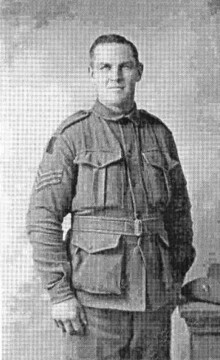
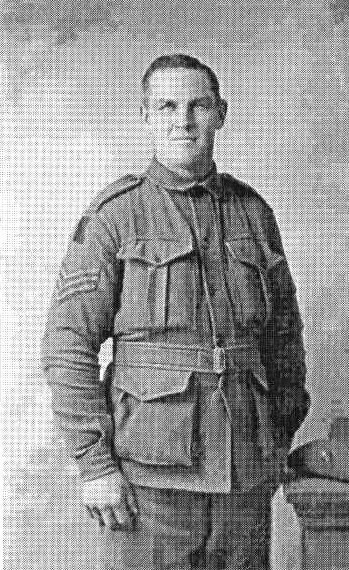
Thomas enlisted and fought with the 21st Battalion AIF throughout 1916 until he was wounded in the thigh on 24 November 1916 and was sent to England for a few months to recover. He was wounded a second time on 11 March 1918, gunshot wounds to his elbow and hip and was again transferred to England. He returned to duty and was slightly wounded again on 4 July 1918, only being out of action for a few days. He was returned to Australia during April 1919.
Click images to start slideshow.