







FRAZER, James Henry Percival
| Service Number: | 2164 |
|---|---|
| Enlisted: | 28 February 1916 |
| Last Rank: | Private |
| Last Unit: | 19th Infantry Battalion |
| Born: | Binnaway, New South Wales, Australia, 24 February 1892 |
| Home Town: | Binnaway, Warrumbungle Shire, New South Wales |
| Schooling: | Not yet discovered |
| Occupation: | Sleeper Cutter |
| Died: | Accidentally crushed by falling earth, concrete and timber, Parkville, Victoria, Australia, 24 March 1949, aged 57 years |
| Cemetery: |
Springvale Botanical Cemetery, Melbourne |
| Memorials: | Baradine Honour Roll WW1, Coonabarabran War Memorial Clock Tower |
World War 1 Service
| 28 Feb 1916: | Enlisted AIF WW1, Private, 2164, 53rd Infantry Battalion | |
|---|---|---|
| 11 Jul 1916: | Involvement Private, 2164, 53rd Infantry Battalion, --- :embarkation_roll: roll_number: '19' embarkation_place: Sydney embarkation_ship: HMAT Vestalia embarkation_ship_number: A44 public_note: '' | |
| 11 Jul 1916: | Embarked Private, 2164, 53rd Infantry Battalion, HMAT Vestalia, Sydney | |
| 2 Mar 1919: | Involvement AIF WW1, Private, 19th Infantry Battalion |
Help us honour James Henry Percival Frazer's service by contributing information, stories, and images so that they can be preserved for future generations.
Add my storyBiography contributed by Stephen Brooks
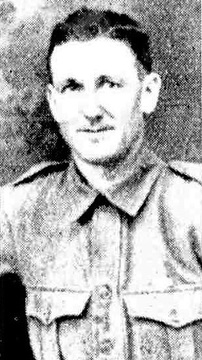
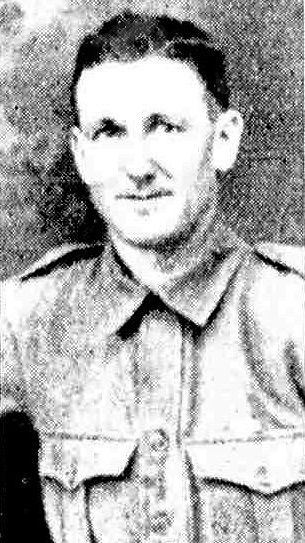
James Henry Percival Frazer was one of four brothers who served in the AIF, the sons of Francis Stephen and Sarah Jane Frazer, of Binnaway, New South Wales.
Known as ‘Percy Frazer’ to his family and friends he was married to Mrs Gladys Malinda Frazer in 1914 and the couple lived at Baradine, New South Wales.
His brother, 1246 Tpr. Horace Ernest Frazer 7th Australian Light Horse, died of wounds on 7 August 1916 in Kantara, Egypt, aged 27.
Another brother, 452 Pte. Kenneth Richard Frazer 36th Battalion AIF was killed in action at Passchendaele on 12 October 1917, aged 20.
Another brother, 455 Lance Corporal Edwin Everingham Frazer 36th Battalion AIF was severely wounded in the foot in early 1917 and was returned home wounded a few months later.
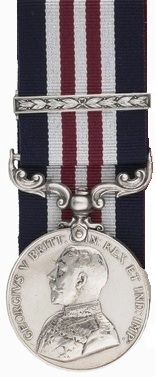
‘Percy’ Frazer was decorated with the Military Medal for stretcher bearing under heavy fire in Belgium during 1917, and earned a Bar to the medal in 1918 for causing heavy German casualties with a Lewis Gun during a one-man assault on enemy positions over an extended period of time whilst under heavy fire.
He returned home to Australia in early 1919.


Click images to start slideshow.