

THOMSON, David
| Service Number: | 31 |
|---|---|
| Enlisted: | 17 August 1914 |
| Last Rank: | Major |
| Last Unit: | 14th Infantry Battalion |
| Born: | Aberlady, East Lothian, Scotland, March 1879 |
| Home Town: | Not yet discovered |
| Schooling: | Not yet discovered |
| Occupation: | Not yet discovered |
| Died: | Illness resulting from wounds, Prince of Wales Hospital, Randwick, New South Wales, Australia, 16 October 1928 |
| Cemetery: |
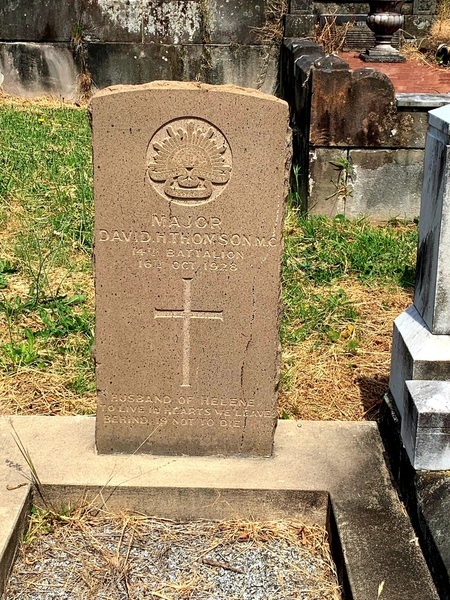
Randwick General Cemetery, New South Wales Plot CoE., Y58 |
| Memorials: | Australian War Memorial Roll of Honour |
World War 1 Service
| 17 Aug 1914: | Enlisted AIF WW1, Regimental Sergeant Major, 31, 1st Infantry Battalion | |
|---|---|---|
| 18 Oct 1914: | Involvement 31, 1st Infantry Battalion, --- :embarkation_roll: roll_number: '7' embarkation_place: Sydney embarkation_ship: HMAT Afric embarkation_ship_number: A19 public_note: '' | |
| 18 Oct 1914: | Embarked 31, 1st Infantry Battalion, HMAT Afric, Sydney | |
| 28 Apr 1915: | Promoted AIF WW1, Second Lieutenant, 1st Infantry Battalion, Field commissioned | |
| 10 Mar 1916: | Promoted AIF WW1, Captain, 53rd Infantry Battalion, O.C 'A' Company | |
| 19 Jul 1916: | Honoured Military Cross, 'Capt. Thomson has commanded a Company of this Battalion throughout its period of active service. In the action of 19th/20th July 1916 near FROMELLES, he went over with the leading two waves. He was wounded in the foot early in the action, but continued at his duty, and took complete charge of the consolidation of the trenches then won, which were held until repeated orders to retire had been sent to this part of the line. Although very lame from his wound Capt. Thomson insisted on remaining at duty after knowing that nearly all the officers of the Battalion had been casualtied [sic] of action. He has put his whole energy into giving every assistance in reforming the Battalion under difficult circumstances, and done most thoroughly good service throughout. Although often in great pain from his wound, he struggled on, until some weeks later he was ordered to hospital, from which he insisted on returning to duty in a very short time. He served for some months on GALLIPOLI' | |
| 11 Aug 1916: | Wounded AIF WW1, Captain, 53rd Infantry Battalion, Ganglion Foot - also sent to hospital on this date due to a wound from Fromelles | |
| 11 Nov 1916: | Promoted AIF WW1, Major, 53rd Infantry Battalion, Appointed Battalion Second-in-Command | |
| 6 Sep 1917: | Transferred AIF WW1, Major, 14th Infantry Battalion, Transferred to another brigade at the request of his former Brigadier-General | |
| 6 Jun 1918: | Discharged AIF WW1, Major, 14th Infantry Battalion, 'Services no longer required' |
Help us honour David Thomson's service by contributing information, stories, and images so that they can be preserved for future generations.
Add my storyBiography contributed by Zidane McNamara
A Boer War veteran, former British Army Regular [achieving the rank of Sergeant Major] with the Highlanders. He came to Australia and joined the Instructional Staff, immediately enlisting at the outbreak of war.. he was field commissioned and deemed an inadequate officer shortly after a few incidents in 1917. A report written by his Divisional Commander reads;
'I have to recommend that Major D. THOMSON, M.C., 14th Battalion (transferred from 53rd Bn:) should be returned to Australian - Services no longer required.) - After a months trial (6th September to 6th October 1917) I was very hopeful that he would make good, but, after a period extending 3 months, the conclusion arrived at is that he is not a good senior Major and has none of the qualifications of a Battalion Commander. He lacks initiative, energy and ordinary foresight. The Commanding Officer has always to tell him exactly what to do. He fails to realize that a senior Major should be a help to his Commanding Officer by anticipating his wishes and exercising a constant supervision over Company Commanders, and in many ways lightening the C.O's burden. - Major Thomson is senior to both Major C.R.M Cox [14th Btn]; and Major A.R Cox [14th Btn]; who have both secured good reports from the C.O's School at Aldershot. His removal must eventually increase the efficiency of that Battalion. To transfer him to a base appointment would be unsound. I therefore strongly urge that he be returned to Australia - services no longer required. Major THOMSON, M.C. has been informed.'
Biography contributed by Charles Livingston
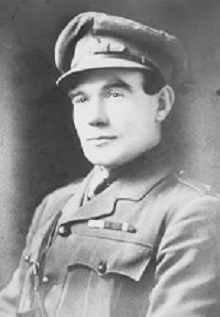
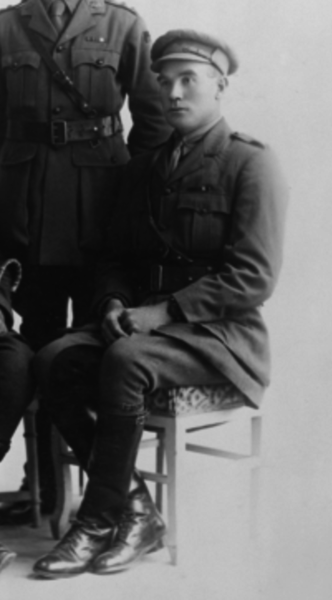
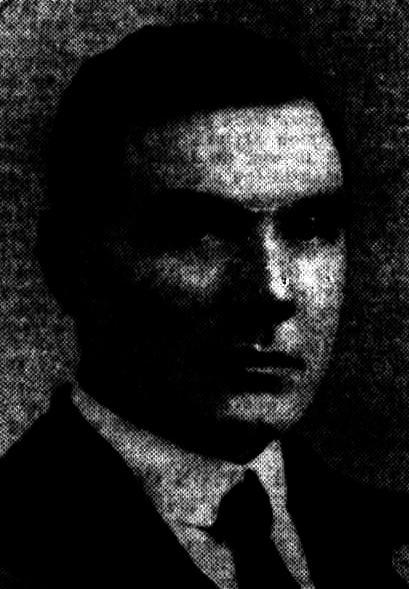
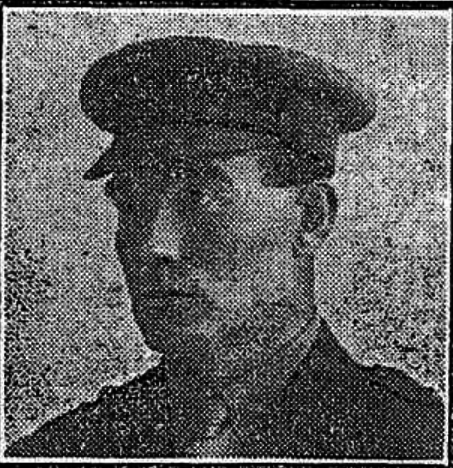
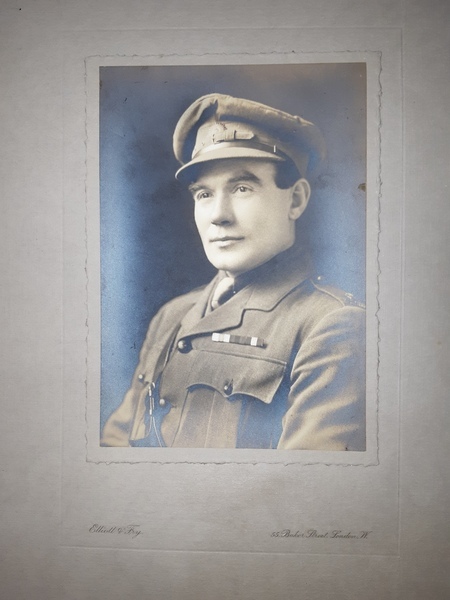
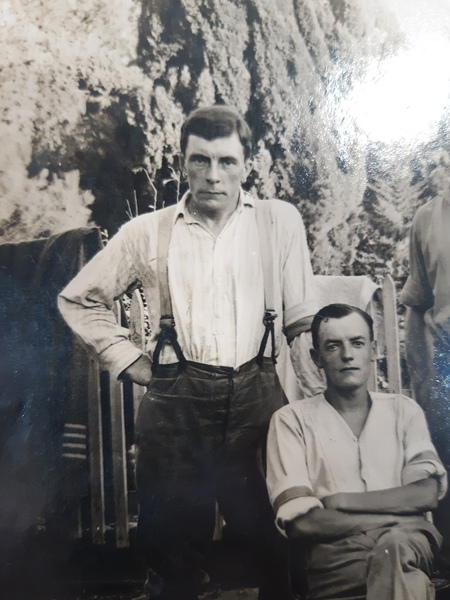
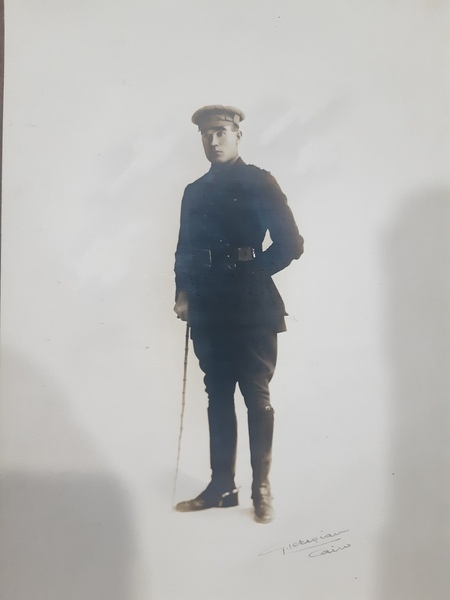
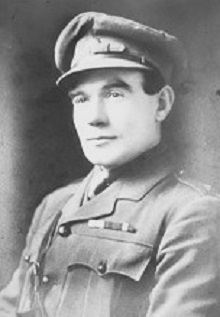
Major David Thomson, MC
David Thomson was born at Aberlady, East Lothian, Scotland, in 1879. A professional soldier before the First World War, he enlisted in the Gordon Highlanders in 1899 and served in the South African War and later in the East Indies. After emigrating to Australia, he became part of the instructional staff of the Australian military forces.
At the outbreak of the Great War, Thomson enlisted in the Australian Imperial Force and was appointed Regimental Sergeant Major of the 1st Battalion. He landed at Gallipoli on 25 April 1915 and was later commissioned in the field. He subsequently joined the 53rd Battalion, where he served as a captain and company commander.
Thomson distinguished himself during the Battle of Fromelles on 19–20 July 1916. Although wounded early in the attack, he remained on duty, continued to command, and assisted in consolidating the captured position after many of the battalion’s officers had become casualties. His commanding officer recommended him for the Military Cross, and a further report praised his energy and assistance in helping reform the battalion after its severe losses. His Military Cross was gazetted in January 1917.
Promoted major, Thomson continued to serve with the 53rd Battalion and at times acted in senior command roles. His career reflected the experience of a soldier who had risen from the ranks and had seen hard service across South Africa, Gallipoli, and the Western Front. He was a front-line soldier of considerable endurance and courage, even if later military administration did not always reflect the full measure of his service.
In 1928 he married Helene Agnes Shipton, daughter of a Royal Navy veteran, but their marriage was sadly brief. Major David Thomson, MC, died on 16 October 1928 at Randwick, New South Wales, his death being attributed to the effects of wartime gas exposure. He was buried at Randwick General Cemetery.
Click images to start slideshow.