








S6092
SPRINGBETT, Edward Herbert
| Service Numbers: | 2019, S80455 |
|---|---|
| Enlisted: | 18 October 1915, 14th Reinforcement 14th Field Ambulance |
| Last Rank: | Private |
| Last Unit: | 4th (SA) Battalion Volunteer Defence Corps (VDC) |
| Born: | Williamstown, South Australia, Australia, 4 October 1889 |
| Home Town: | Littlehampton, Mount Barker, South Australia |
| Schooling: | Not yet discovered |
| Occupation: | Labourer lamp attendent Adelaide Railway |
| Died: | 3 August 1961, aged 71 years, cause of death not yet discovered, place of death not yet discovered |
| Cemetery: |
Shady Grove Unitarian Church Cemetery, S.A. |
| Memorials: | Williamstown St. Peter's Anglican Church WW1 Honour Roll |
World War 1 Service
| 18 Oct 1915: | Enlisted AIF WW1, Private, 2019, 9th Light Horse Regiment, 14th Reinforcement 14th Field Ambulance | |
|---|---|---|
| 10 Feb 1916: | Embarked Private, 2019, 9th Light Horse Regiment, --- :embarkation_roll: roll_number: '2' embarkation_place: Adelaide embarkation_ship: HMAT Warilda embarkation_ship_number: A69 public_note: '' | |
| 12 Oct 1916: | Involvement AIF WW1, Private, 2019, 14th Field Ambulance, Battle of Rafa, During October 1916, the 14th Field Ambulance was stationed in the Armentières sector of northern France, specifically near Festubert 1917 14th Field Ambulance Western Front Northern France Festubert/ Armentières | |
| 4 Sep 1919: | Involvement AIF WW1, Private, 2019, 14th Field Ambulance |
World War 2 Service
| 23 Apr 1942: | Enlisted Australian Military Forces (WW2) , Private, S80455, 4th (SA) Battalion Volunteer Defence Corps (VDC) | |
|---|---|---|
| 25 Sep 1945: | Discharged |
Help us honour Edward Herbert Springbett's service by contributing information, stories, and images so that they can be preserved for future generations.
Add my storyBiography contributed by Darren waters
Edward Herbert SPRINGBETT - On the 3rd August 1961, Edward Herbert, dearly beloved husband of the late Daphne Springbett, loving father of Gwen, Arthur and Ian, fond father-in-law of Burnie Waters and dear grandpa of Gary, Kym, Lee and Wayne. Reunited.
Biography contributed by Darren waters
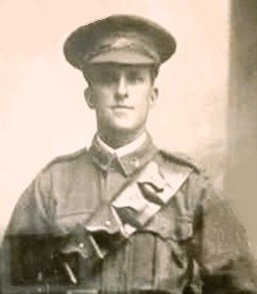
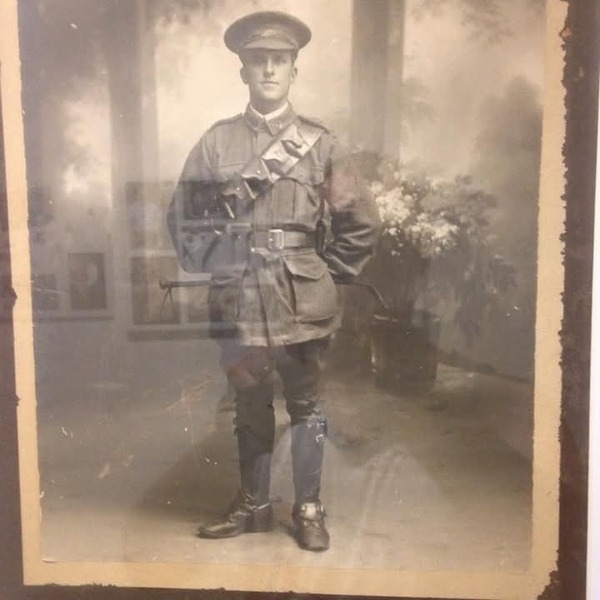
Edward Herbert Springbett is a name etched in the annals of Australian military history, representing the courage and resilience of many who served during World War I. His journey from enlistment to eventual discharge reflects a microcosm of the broader Australian experience in the war, marked by trials, tribulations, and profound achievements.
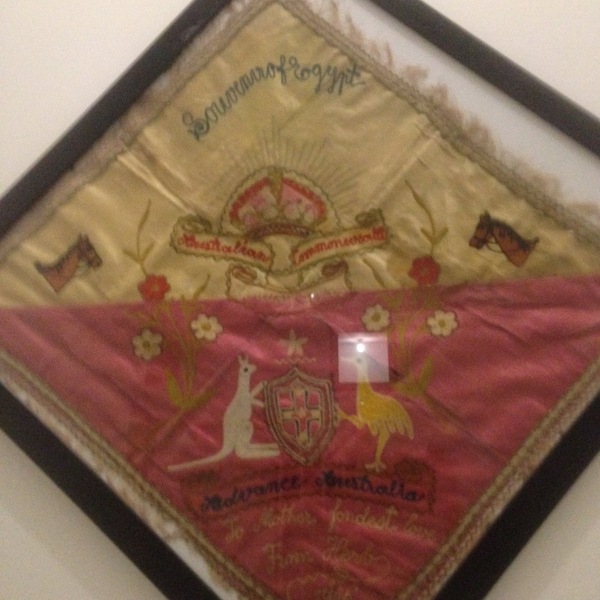
PTE Springbett enlisted with the 9th Light Horse Regiment and embarked from Adelaide on February 10, 1916, aboard HMAT Warilda A69. This decision was part of a larger movement within the Australian Imperial Force (AIF), aiming to reinforce and restructure military efforts after the withdrawal from Gallipoli. During early 1916, Alexandria became a pivotal port, playing a crucial role in transporting troops for operations in Europe. As the AIF began to double its numbers and create new units in Egypt, Springbett’s path would soon lead him into the heart of the conflict on the Western Front.
By October 6, 1916, Edward was attached to the 14th Field Ambulance as a driver. This role was not merely logistical; it represented a vital support function that ensured medical supplies reached soldiers in need. However, just days later, on October 12, he was reassigned to the 14th Field Artillery Brigade Headquarters. In this capacity, he operated as a driver for the brigade, managing teams of six horses used to transport essential artillery equipment and munitions.
The experiences at the front were anything but easy. In November 1917, bronchitis forced Edward to seek medical attention, leading to his transfer to England for recovery. This period of convalescence showcased the harsh realities faced by soldiers, emphasizing how physical ailments could dramatically impact service. During this time, he noted on his enlistment form in 1942 that he had been gassed in 1917.
After recuperating, PTE Springbett was stationed at Sutton Veny and Bulford, where he participated in further training before returning to the battlefield. By March 1918, he was again poised for duty, stationed at Parkhouse, ready to serve his comrades once more. His journey led him back to France, specifically to Rouelles near Le Havre, where he was an integral part of the logistical operations that sustained the fighting forces.
On June 6, 1918, PTE Springbett rejoined the 14th Field Ambulance, only to be detached to the 5th Divisional Ammunition Column later that year. His responsibility included supplying ammunition to field artillery brigades, a task critical to the success of military operations. He used various methods, including horse-drawn wagons and vehicles, to ensure that the artillery was well-equipped for the challenges ahead.
The war came to a dramatic conclusion on November 11, 1918, when an armistice was signed, ending over four years of relentless combat. For Springbett, this moment was both a relief and a marker of the sacrifices endured. After a brief leave in Paris, he returned to Australia on April 17, 1919, and was officially discharged on September 9, 1919.
His service did not go unrecognized; Edward Herbert Springbett was awarded the British War Medal and the Victory Medal, symbols of valour and commitment. His legacy, encapsulated in these medals and his detailed service record, serves as a poignant reminder of the sacrifices made by countless individuals in times of war and highlights the enduring spirit of those like him who stood resolutely in the face of adversity.
Edward once again answered the call for enlistment in 1942 he re-enlisted when he was 52 years old and a lamp attendant working for the South Australian railway. He was taken on strength Bravo Company 4TH Battalion Volunteer Defence Corps (VDC) Home Guard.
As the perceived threat to Australia declined the VDC's role changed from static defence to operating anti-aircraft artillery, coastal artillery and searchlights. Members of inland VDC units were freed from having to attend regular training in May 1944 and the VDC was officially disbanded on 24 August 1945.
In South Australia, the Military District / Lines of Communication Headquarters was at Keswick Barracks.
PTE Springbett discharged 25 September 1945 because of the disbandment of his corps.
Click images to start slideshow.