




FLOWERDAY, Alan Henry
| Service Number: | VX61968 |
|---|---|
| Enlisted: | 13 March 1941, Prahran, Vic. |
| Last Rank: | Private |
| Last Unit: | 2nd/21st Infantry Battalion |
| Born: | Kerang, Victoria, Australia , 7 March 1914 |
| Home Town: | South Yarra, Melbourne, Victoria |
| Schooling: | Not yet discovered |
| Occupation: | Gardener |
| Died: | Presumed, Ambon, Netherlands East Indies, 20 February 1942, aged 27 years |
| Cemetery: |
No known grave - "Known Unto God" |
| Memorials: | Ambon Memorial, Australian War Memorial Roll of Honour, Ballarat Australian Ex-Prisoners of War Memorial |
World War 2 Service
| 3 Sep 1939: | Involvement Private, VX61968 | |
|---|---|---|
| 13 Mar 1941: | Enlisted Australian Military Forces (WW2) , Private, Prahran, Vic. | |
| 19 Aug 1941: | Enlisted Australian Military Forces (WW2) , Private, VX61968, 2nd/21st Infantry Battalion, Royal Park, Vic. |
Help us honour Alan Henry Flowerday's service by contributing information, stories, and images so that they can be preserved for future generations.
Add my storyBiography contributed by Mari Walker
Son of Robert John and Eliza Margaret Flowerday, of South Yarra, Victoria, Australia.
Private Alan Henry Flowerday was a member of the 2nd/21st Australian Infantry Battalion which formed part of “Gull Force”. He embarked for overseas service on 13 December 1941, disembarking a few days later in Ambon. Gull Force consisted of 1131 Australian soldiers, Dutch and local native troops whose objective was to occupy Ambon Island, which is located approximately 350 miles North Northeast of Timor in the Banda Sea and hinder the Japanese advance.
Pvte Flowerday was a member of the Laha Garrison positioned around Laha Airfield prior to the Japanese invasion of 30 January 1942. After a series of short but fierce battles, fighting on Ambon Island ceased on 2 February 1942 and on 7 February 1942 Pvte Flowerday was listed as missing, believed deceased.
Although many of those captured on other parts of the island survived the war, those who had survived the “Battle of Laha” (approximately 315 personnel) were systematically executed and buried in one of four mass graves. Investigations after the war determined it was impossible to positively identify many of the remains found at Laha and these ‘war dead’ were declared “missing and for Official Purposes Presumed to be Dead, 20 February 1942”. The remains which were found were reinterred in the Ambon War Cemetery.
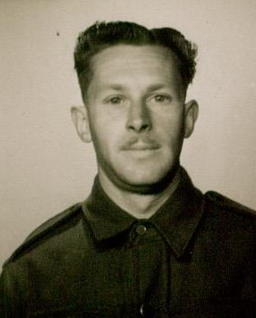
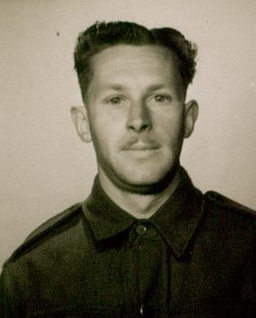
Click images to start slideshow.