






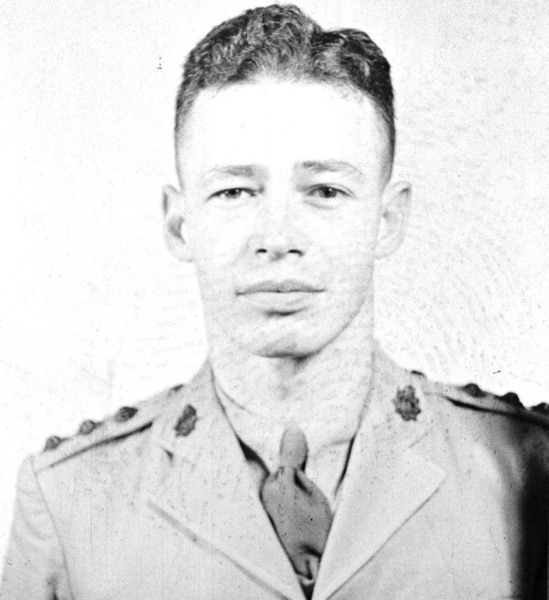
CLARKE, John Edward Rea
| Service Number: | QX6245 |
|---|---|
| Enlisted: | 20 May 1940 |
| Last Rank: | Captain |
| Last Unit: | Dental Units - Army WW2 |
| Born: | Southport, Queensland, Australia , 20 December 1916 |
| Home Town: | Highgate Hill, Brisbane, Queensland |
| Schooling: | St Laurence's College, Brisbane, Queensland, Australia |
| Occupation: | Dentist |
| Died: | Bendigo, Victoria, Australia, 26 February 2002, aged 85 years, cause of death not yet discovered |
| Cemetery: |
Bendigo Public Cemetery, Victoria R/G 1, Grave 1 |
| Memorials: | Ballarat Australian Ex-Prisoners of War Memorial, Burleigh Heads Memorial |
World War 2 Service
| 20 May 1940: | Enlisted Australian Military Forces (WW2) , Captain, QX6245 | |
|---|---|---|
| 3 Jan 1946: | Discharged Australian Military Forces (WW2) , Captain, QX6245, Dental Units - Army WW2 |
Major Dr. Jock Clarke
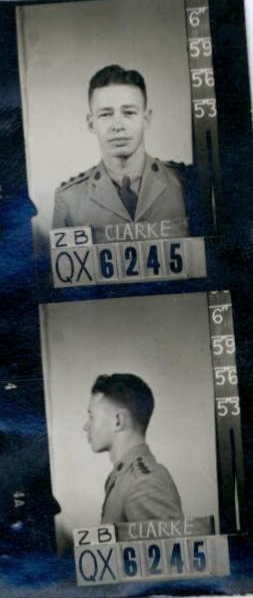
Major John Edward Rea (Jock) Clarke QX6245, was born on the 20th of December 1916 and attended St. Laurence’s College, Brisbane, where he graduated from his Senior year in 1933.
In 1935, Jock enrolled and was accepted into the first cohort of the University of Queensland’s Dental School and graduated in 1938 as a Dentist. Whilst at university, Jock was an active student and developed a love of literature, music and politics, it was here that he also first experienced a taste of military life when he joined the UQ 9/49 Battalion Militia Unit, with the aim of supplementing his student income.
On June 3, 1939, Jock married Bonnie Orchard and they set up their home at 136 Dornoch Terrace, Highgate Hill, not far from his childhood home at number 80. During the early stages of their marriage, Jock remained a Captain in the Australian Militia Forces.
On September 3, 1939, Australia declared war against the Axis forces in Europe and Jock subsequently volunteered for military service in May of 1940. Then, after a period camped at the RNA Grounds at Bowen Hills, Jock received notice of his pending deployment to North Africa, a few days later he waved goodbye to his pregnant wife, Bonnie, at the South Brisbane Railway Station. He then boarded the S.S. Orion for the long voyage to North Africa.
Jock served in Palestine, Egypt and Tobruk for nine months where he earned membership of the world renowned “Rats of Tobruk” and was recognized for his “brilliant work” in reconstructing the shattered jaws and teeth of injured soldiers. Tobruk was also Jock’s first experience in working with the legendary Australian Army Surgeon William ‘Weary’ Dunlop, a man he would work with, side by side, for the duration of the war.
On January 30, 1942, due to the southerly thrust by Japanese forces towards the Dutch East Indies (Indonesia), Jock’s 2/2 Australian Casualty Clearing Station and 3000 Australian Infantry departed Tobruk by ship to return to Australia. However, en route they were charged with the duty of reinforcing the Dutch forces, numbering 25-30,000 troops, at Batavia. The Japanese invasion force was later discovered to be comprised of 100,000 men.
Immediately prior to the Japanese invasion, Jock and the other medical staff were given the option of escaping the onslaught or remaining with the men. All chose to remain in Java to carry out their duties tending to their injured men, a decision which brought with it the certainty of being taken prisoner.
Jock was initially imprisoned in Java, then Changi, and ultimately the infamous Thai-Burma Railway. It was on the Burma Railway where Jack was tested to the extreme, he was forced into labour building the railway with the enlisted men, then conduct his dental clinic after hours, as well as being the Officer responsible for hygiene on the Railway. Such was Jock’s dedication, that during times of cholera outbreaks, Jock insisted on cleaning the camp latrines himself.
His dedication to his men, and his instinct of standing up for the enlisted men often resulted in severe beatings by the guards.
The beatings, however, didn’t deter him, and it wasn’t long before Jock’s ingenuity saw him design and manufacture an intra-venous drip to ensure the cholera and dysentery patients were kept hydrated. This manufacturing of this drip required parts which could only be sourced through the theft of equipment from the enemy, an act which would result in the death-penalty if caught. However, Jock measured that fate against the knowledge that the IV Drips would save hundreds of allied prisoners’ lives.
Jock’s proclivity for selfless behaviour was again borne out by two further activities he engaged in, both of which could have resulted in the death penalty. Firstly, he undertook the operation and maintenance of the prohibited camp radio, this radio allowed the POWs to keep track of the Allied progress in pushing the Japanese backwards and was the principal source of raising morale amongst the men.
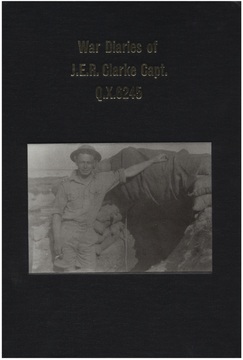
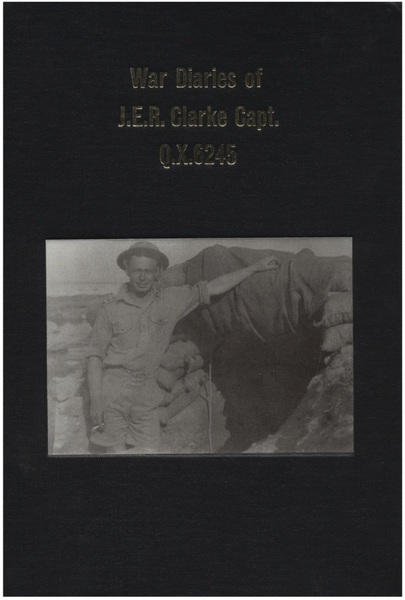
Jock also continued to keep his daily diary, detailing his and camp activities which he hid in his army issued officer’s cap. Unfortunately, the ink supply that he relied upon to write his diary became scarce and in December 1942 he ceased making entries, prioritising the use of ink for prisoners dental and medical records.
At the end of the war, in 1945, Jock returned to Australia exhausted and emaciated, weighing only 81 pounds (38 kilograms).
Nevertheless, once he recovered his strength, he contacted the Queensland Dental Board to register as a Dentist and resume his practice in Brisbane, only to be informed by the Board that they could not accept his registration as he was officially recorded as a deceased POW.
In a manner consistent with Jock’s love of literature, he responded by borrowing the words of Mark Twain, “Rumours of my death are greatly exaggerated.” His registration was subsequently expedited.
Jock was later honoured for his work during the war and awarded a Member of the British Empire (MBE) for “Herculean efforts” and “brilliant improvisation” in malaria control and hygiene in highly infected cholera and dysentery area, which saved many lives. Though his health was greatly impaired, he carried on working, both manual labour on the Railway as well as his dental and health responsibilities, to the limit of his abilities.
Having gained registration in Queensland, Jock purchased a dental practice at 229 Queen Street, Brisbane, where he practiced from 1946, during this time he was also appointed as a Clinical Lecturer in Dental Surgery at the University of Queensland.
In 1946, Jock’s dear wife Bonnie was diagnosed with a terminal illness, and sadly she died in 1951.
Jock continued to work in his profession, as well as lecturing at the University of Queensland Dental School, retiring in 1981. He then moved to Traralgon in Victoria to be near his family.
In retirement, Jock was honoured by the Australian Army through naming a street in Enogerra Barracks after him, the Gallipoli Barracks Dental Centre is located on Major Jock Clarke Drive, Enoggera.
Jock Clarke was a gentle man, one of enormous resilience with a sense of optimism. He was generous, modest, kind and compassionate.
Major John Edward Rea “Jock” Clarke QX 6245 died peacefully on the 26th of February 2002, and he is buried in the Bendigo Public Cemetery. He is remembered in Queensland through a memorial plaque at the Bridgeman Downs Memorial Cemetery.
The St. Laurence’s College Old Boys Association and St. Laurence’s College are proud to include Major John Edward Rea ‘Jock’ Clarke, QX 6245 as a Lauries Alumnus.
Submitted 26 May 2026 by John Dinnen
Biography contributed by John Dinnen
Major John Edward Rea (Jock) Clarke QX6245, was born on the 20th of December 1916 and attended St. Laurence’s College, Brisbane, where he graduated from his Senior year in 1933.
In 1935, Jock enrolled and was accepted into the first cohort of the University of Queensland’s Dental School and graduated in 1938 as a Dentist. Whilst at university, Jock was an active student and developed a love of literature, music and politics, it was here that he also first experienced a taste of military life when he joined the UQ 9/49 Battalion Militia Unit, with the aim of supplementing his student income.
On June 3, 1939, Jock married Bonnie Orchard and they set up their home at 136 Dornoch Terrace, Highgate Hill, not far from his childhood home at number 80. During the early stages of their marriage, Jock remained a Captain in the Australian Militia Forces.
On September 3, 1939, Australia declared war against the Axis forces in Europe and Jock subsequently volunteered for military service in May of 1940. Then, after a period camped at the RNA Grounds at Bowen Hills, Jock received notice of his pending deployment to North Africa, a few days later he waved goodbye to his pregnant wife, Bonnie, at the South Brisbane Railway Station. He then boarded the S.S. Orion for the long voyage to North Africa.
Jock served in Palestine, Egypt and Tobruk for nine months where he earned membership of the world renowned “Rats of Tobruk” and was recognized for his “brilliant work” in reconstructing the shattered jaws and teeth of injured soldiers. Tobruk was also Jock’s first experience in working with the legendary Australian Army Surgeon William ‘Weary’ Dunlop, a man he would work with, side by side, for the duration of the war.
On January 30, 1942, due to the southerly thrust by Japanese forces towards the Dutch East Indies (Indonesia), Jock’s 2/2 Australian Casualty Clearing Station and 3000 Australian Infantry departed Tobruk by ship to return to Australia. However, en route they were charged with the duty of reinforcing the Dutch forces, numbering 25-30,000 troops, at Batavia. The Japanese invasion force was later discovered to be comprised of 100,000 men.
Immediately prior to the Japanese invasion, Jock and the other medical staff were given the option of escaping the onslaught or remaining with the men. All chose to remain in Java to carry out their duties tending to their injured men, a decision which brought with it the certainty of being taken prisoner.
Jock was initially imprisoned in Java, then Changi, and ultimately the infamous Thai-Burma Railway. It was on the Burma Railway where Jack was tested to the extreme, he was forced into labour building the railway with the enlisted men, then conduct his dental clinic after hours, as well as being the Officer responsible for hygiene on the Railway. Such was Jock’s dedication, that during times of cholera outbreaks, Jock insisted on cleaning the camp latrines himself.
His dedication to his men, and his instinct of standing up for the enlisted men often resulted in severe beatings by the guards.
The beatings, however, didn’t deter him, and it wasn’t long before Jock’s ingenuity saw him design and manufacture an intra-venous drip to ensure the cholera and dysentery patients were kept hydrated. This manufacturing of this drip required parts which could only be sourced through the theft of equipment from the enemy, an act which would result in the death-penalty if caught. However, Jock measured that fate against the knowledge that the IV Drips would save hundreds of allied prisoners’ lives.
Jock’s proclivity for selfless behaviour was again borne out by two further activities he engaged in, both of which could have resulted in the death penalty. Firstly, he undertook the operation and maintenance of the prohibited camp radio, this radio allowed the POWs to keep track of the Allied progress in pushing the Japanese backwards and was the principal source of raising morale amongst the men.
Jock also continued to keep his daily diary, detailing his and camp activities which he hid in his army issued officer’s cap. Unfortunately, the ink supply that he relied upon to write his diary became scarce and in December 1942 he ceased making entries, prioritising the use of ink for prisoners dental and medical records.
At the end of the war, in 1945, Jock returned to Australia exhausted and emaciated, weighing only 81 pounds (38 kilograms).
Nevertheless, once he recovered his strength, he contacted the Queensland Dental Board to register as a Dentist and resume his practice in Brisbane, only to be informed by the Board that they could not accept his registration as he was officially recorded as a deceased POW.
In a manner consistent with Jock’s love of literature, he responded by borrowing the words of Mark Twain, “Rumours of my death are greatly exaggerated.” His registration was subsequently expedited.
Jock was later honoured for his work during the war and awarded a Member of the British Empire (MBE) for “Herculean efforts” and “brilliant improvisation” in malaria control and hygiene in highly infected cholera and dysentery area, which saved many lives. Though his health was greatly impaired, he carried on working, both manual labour on the Railway as well as his dental and health responsibilities, to the limit of his abilities.
Having gained registration in Queensland, Jock purchased a dental practice at 229 Queen Street, Brisbane, where he practiced from 1946, during this time he was also appointed as a Clinical Lecturer in Dental Surgery at the University of Queensland.
In 1946, Jock’s dear wife Bonnie was diagnosed with a terminal illness, and sadly she died in 1951.
Jock continued to work in his profession, as well as lecturing at the University of Queensland Dental School, retiring in 1981. He then moved to Traralgon in Victoria to be near his family.
In retirement, Jock was honoured by the Australian Army through naming a street in Enogerra Barracks after him, the Gallipoli Barracks Dental Centre is located on Major Jock Clarke Drive, Enoggera.
Jock Clarke was a gentle man, one of enormous resilience with a sense of optimism. He was generous, modest, kind and compassionate.
Major John Edward Rea “Jock” Clarke QX 6245 died peacefully on the 26th of February 2002, and he is buried in the Bendigo Public Cemetery. He is remembered in Queensland through a memorial plaque at the Bridgeman Downs Memorial Cemetery.
The St. Laurence’s College Old Boys Association and St. Laurence’s College are proud to include Major John Edward Rea ‘Jock’ Clarke, QX 6245 as a Lauries Alumnus.
Click images to start slideshow.