




5321
WATERS, Victor Clarence
| Service Number: | 4195 |
|---|---|
| Enlisted: | 21 August 1915, Adelaide South Australia Appointed G Coy 2nd Depot battalion |
| Last Rank: | Private |
| Last Unit: | 4MD / SA & NT Area Lines of Communication |
| Born: | Forest Range, South Australia, 24 August 1893 |
| Home Town: | Forest Range, Adelaide Hills, South Australia |
| Schooling: | Not yet discovered |
| Occupation: | Cabinet Maker |
| Died: | South Australia, 4 December 1937, aged 44 years, cause of death not yet discovered |
| Cemetery: |
Charleston Methodist Cemetery, Adelaide Hills, South Australia Memorial ID 200855510 |
| Memorials: | Lenswood Great War Roll of Honour, Lenswood WWI Honour Board, Woodside District of Onkaparinga Honour Board |
World War 1 Service
| 21 Aug 1915: | Enlisted AIF WW1, Private, 4195, 4th Pioneer Battalion, Adelaide South Australia Appointed G Coy 2nd Depot battalion | |
|---|---|---|
| 21 Aug 1915: | Transferred AIF WW1, Private, 16th Infantry Battalion (WW1), 13th Reinforcements until 9th March 1916 | |
| 11 Jan 1916: | Involvement Private, 4195, 16th Infantry Battalion (WW1), --- :embarkation_roll: roll_number: '12' embarkation_place: Adelaide embarkation_ship: HMAT Borda embarkation_ship_number: A30 public_note: '' | |
| 11 Jan 1916: | Embarked Private, 4195, 16th Infantry Battalion (WW1), HMAT Borda, Adelaide | |
| 16 Mar 1916: | Transferred AIF WW1, Private, 48th Infantry Battalion, Taken on strength and then transferred to the 4th Divisional Pioneer Battalion | |
| 5 Dec 1916: | Transferred AIF WW1, Private, Railway Unit (AIF), Detached for duty with the ANZAC light Railway Western Front. Private Waters helped construct and maintain the narrow-gauge tactical railway systems. this track network was around the area of operations Flers and Pozieres. until 11 may 1917 | |
| 11 May 1917: | Transferred AIF WW1, Private, 4th Pioneer Battalion, returned to unit from detachment ANZAC Light Railway. | |
| 24 Jul 1917: | Wounded AIF WW1, Private, 4th Field Company Engineers, Battle of Messines, PTE Waters was wounded by shellfire and suffered shell concussion (often referred to at the time as shell shock). His injuries required evacuation from the front and transfer to England for treatment. He was admitted to Lewisham Military Hospital after being transported from France aboard the hospital ship Grantully Castle. The effects of his wounds prevented him from returning to active service. In late 1917 he was returned to Australia and subsequently discharged from the Australian Imperial Force on medical grounds. | |
| 24 Sep 1917: | Wounded AIF WW1, Private, 4195, 4th Field Company Engineers, Battle of Messines, He was wounded in action, receiving an ankle wound from a high explosive shell on 24 September 1917 | |
| 8 Oct 1917: | Embarked AIF WW1, Private, 4195, 4th Field Company Engineers, His injuries required evacuation from the front and transfer to England for treatment. He was admitted to Lewisham Military Hospital after being transported from France aboard the hospital ship Grantully Castle. The effects of his wounds prevented him from returning to active service. In late 1917 he was returned to Australia and subsequently discharged from the Australian Imperial Force on medical grounds. | |
| 31 Oct 1917: | Embarked AIF WW1, Private, 4195, 4th Pioneer Battalion, 9 Oct 1917 – Admitted to Lewisham Military Hospital, England. 20 Oct 1917 – Hospital treatment continued in England. 31 Oct 1917 – Returned to Australia as medically unfit for further service. | |
| 11 Nov 1918: | Involvement Private, 4195 | |
| 27 Jul 1919: | Discharged AIF WW1, Private, 4195, 4MD / SA & NT Area Lines of Communication, Discharged from the AIF on medical grounds. | |
| Date unknown: | Wounded 4195, 4th Pioneer Battalion |
Victor Clarence Waters
Victor Clarence Waters was born at Forest Range on the 24th August 1893. He enlisted in Adelaide on the 21st August 1915, nominating his mother Helen Waters of Forest Range, as next of kin.
Waters left Australia on the 11th January 1916 on the Borda, with the 16th Battalion. He was sick and admitted to hospital for four days on the 7th May and rejoined his unit on the 11th May
Waters was wounded in action, receiving an ankle wound from a high explosive shell on the 24th September 1917. The wound necessitated him being transferred to the Dartford Military Hospital in England. Waters rejoined his unit in France on the 12th March 1918, where he served as a driver until the end of the war. He travelled home on the China on the 1st May 1919, reaching Adelaide on the 6th June and was discharged on the 27th July.
Submitted 13 October 2023 by christopher collins
Biography contributed by Darren waters
Victor Clarence Waters was born at Forest Range in the Adelaide Hills of South Australia and worked as a gardener before the First World War. At the age of 22 he enlisted in the Australian Imperial Force at Adelaide on 21 August 1915.
After completing his medical examination and military training, Private Waters joined the 13th Reinforcements for the 16th Infantry Battalion and embarked from Australia for overseas service in November 1915. Following further training he was transferred to the 48th Battalion and shortly afterwards to the 4th Divisional Pioneer Battalion, a unit responsible for engineering, construction and battlefield labour duties in support of frontline infantry formations.
During 1916 and 1917 Private Waters served on the Western Front in France and Belgium. His duties included work with military light railways and engineer detachments, essential services that supplied troops and maintained communications close to the fighting line.
In July 1917, while serving in France, Private Waters was wounded by shellfire and suffered shell concussion (often referred to at the time as shell shock). His injuries required evacuation from the front and transfer to England for treatment. He was admitted to Lewisham Military Hospital after being transported from France aboard the hospital ship Grantully Castle.
The effects of his wounds prevented him from returning to active service. In late 1917 he was returned to Australia and subsequently discharged from the Australian Imperial Force on medical grounds.
Victor Clarence Waters was one of many young South Australians who answered the call to serve during the Great War. His service reflects the important and often dangerous work performed by Pioneer and Engineer units behind the front lines, where soldiers faced constant exposure to enemy shellfire while constructing and maintaining the infrastructure needed to sustain the Allied armies.
Victor would have received:
British War Medal 1914–1920
Victory Medal
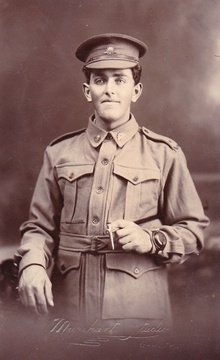
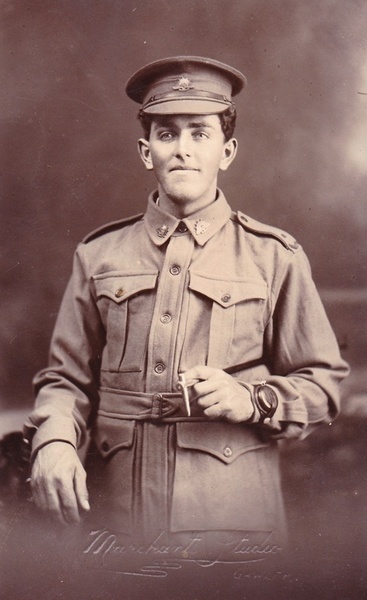
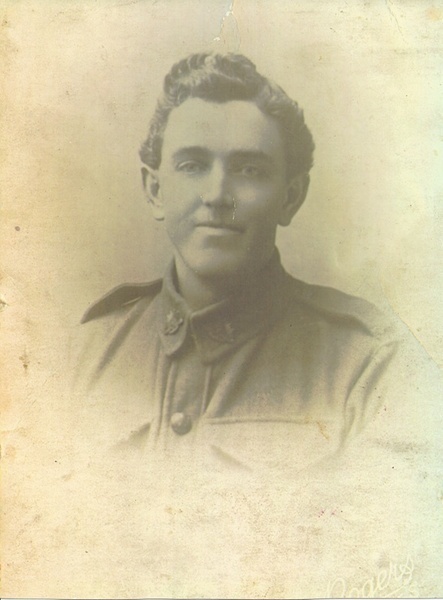


Click images to start slideshow.