








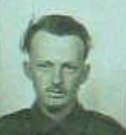
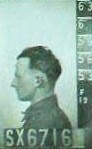
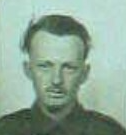
CRAIG, Douglas Stewart
| Service Number: | SX6716 |
|---|---|
| Enlisted: | 25 June 1940, Wayville, SA |
| Last Rank: | Private |
| Last Unit: | 2nd/48th Infantry Battalion |
| Born: | Bellingen, New South Wales, Australia, 2 January 1917 |
| Home Town: | Naracoorte, Naracoorte and Lucindale, South Australia |
| Schooling: | Not yet discovered |
| Occupation: | Labourer |
| Died: | Killed in Action, Libya, 1 May 1941, aged 24 years |
| Cemetery: |
Tobruk War Cemetery, Tobruk Plot 5, Row A, Grave 10. |
| Memorials: | Adelaide WW2 Wall of Remembrance, Australian War Memorial Roll of Honour, Naracoorte War Memorial, Naracoorte and District Town Hall Honour Board WW2 |
World War 2 Service
| 3 Sep 1939: | Involvement Private, SX6716 | |
|---|---|---|
| 25 Jun 1940: | Involvement Private, SX6716 | |
| 25 Jun 1940: | Enlisted Wayville, SA | |
| 25 Jun 1940: | Enlisted Australian Military Forces (WW2) , Private, SX6716, 2nd/48th Infantry Battalion | |
| Date unknown: | Involvement | |
| Date unknown: | Involvement |
‘We Will Not Forget’.
Douglas was born in the small mid-north coastal town of Bellingen, New South Wales, on the 2nd January 1917, to Archibald George and Helena Sarah Craig. He was the youngest son, having two sisters, and an older brother Archibald. Doug’s father had been employed as a Forest Overseer at Macleay.
Doug had just turned 15 when his 46-year-old mother died in September 1932 at Scrubby Creek after several years of illness. His father, Archibald, then aged 55, died just two years later in September 1934. Both were buried in the Presbyterian Cemetery at West Kempsey, NSW.
The following years were marked by the Great Depression, where work was challenging to find. Douglas sought work as a labourer, but fell foul of the law, being charged with trespassing on railway property. At the time it was not uncommon for people to ‘jump the rattlers’ – by boarding trains illegally, thus avoiding payment for the fare, but quickly arriving at different towns in search of work. With a group of five other young men, Doug entered a carriage at South Lismore to shelter from the cold. A porter found them the following morning, having travelled from Sydney and making for Murwillumbah in search of work. They had "jumped the train" then entered a carriage to shelter from the weather. Police had been asked to prevent railway trespassing thus a fine of 10/- was imposed on each of the young men. The alternative was a seemingly harsh day's imprisonment.
With the outbreak of WWII, 23-year-old Douglas enlisted in Mount Gambier on the 15th June ’40, giving his older sister from Naracoorte as his next of kin. He was allocated the number SX6716 and placed in the newly formed 2/48th Battalion, training at Wayville.
Doug attracted his first fine of 5/-.for being a day late returning from leave. His second was earned soon after he boarded the Stratheden on the 7th November. The ship had a stop-over at Freemantle in Western Australia which Doug decided to explore. His late return to the ship cost him a further 5/- pay and three days confined to barracks. He eventually arrived in the Middle East on the 17th December with the 2/48th Battalion then completing a few months training in Cyrenaica. Unfortunately, the conditions were such that Doug contracted the potentially fatal meningococcal meningitis which causes an inflammation to the brain and spinal cord membranes. For over a week he was placed on the seriously ill list, but by 25th January the News published the welcome announcement that ‘S.A. Soldier Recovering. This included a casualty list released by the Minister for the Army (Mr. Spender), naming Pte. D. S. Craig, SX6716, of Naracoorte, South Australia, infantry as being removed from the seriously ill list. ‘
Doug had then been placed in a convalescent hospital early in February before rejoining his battalion in March. His recovery was marked by a nine-hour absence on the 14th February and an increase in his fine to £2/ 5/-. He and the 2/48th headed to Tobruk at the start of April 1941 where the dust, flies, heat, minimal water supplies and constant bombardment were quite a challenge to the fresh new enlistees. They were to become the famed Rats of Tobruk, in the most highly decorated but decimated Battalion.
Within a month of arriving in Tobruk, 24-year-old Doug was killed in action on May 1st 1941, less than a year after enlisting. John Glenn in his book, ‘Tobruk to Tarakan’ described conditions at Dimra on that day: “At 3:50 am on 1st May the men of the 2/48th stood-to awaiting the outcome of the battle which had raged all through the night. In thick mist, darkness, and bitter cold they snatched a quick breakfast of bully beef and hard biscuits.”
“The remainder of that day was chaotic, information scant, the men weary and under heavy fire and a sandstorm raged. The next morning there was a terrific dust storm, but a foot patrol set out to find their soldiers who had not returned. For a few of those missing men it was some time before their fate was confirmed. Mark Johnson in his recent book, ‘Derrick In His Own Words’ explained that ‘On 1 May the 2/48th suffered 51 casualties, including 16 killed. Besides Douglas, these included Herbert Neumann SX8014 from Aldgate, Robert Carey SX7943 from Portland, John Christerson SX7791 from Yorketown, John Marshall SX7759 from Hawthorn, William Gates SX6867 from Brompton and Allan Glanville Porter SX7315 all from the 2/48th Battalion.
Back home, the local Narracoorte Herald of 30th May informed locals of their casualty list Among the names of nine South Australians killed in action, was Douglas and that of Pte. D.S. Craig (Inf) Narracoorte.
Two months later, the Herald on the 11th July ‘41 reported that the local R.S.S. Sub-Branch carried the names of their young men ‘who died that we might live in freedom’ Pte. R. MILLER.’ SX6716 Pte. Douglas S. CRAIG. SX856 Pte. John G. GOULD. SX849 Sgt. John H. HAGGETT. SX854 Pte. Lionel. E. McPHEE and Pte. J. McINNES. This was followed by the Ode; ‘They shall, not grow old, as we that are left grow old. Age shall not weary them, nor the years condemn. At the going down of the sun, and in the morning We will remember them.’ Sadly, the list continued to grow in the ensuing years as the newspaper paid tribute to those who had paid the ultimate price.
On the 27th May local newspapers reported Douglas was Killed in Action. He was first buried at Dimra in Grave 261. His remains were later re-interred in the Tobruk War Cemetery, Plot 5, Row A, Grave 10. His headstone now bears the inscription ‘We Will Not Forget’. He is also commemorated on the Bellingen Roll of Honour in his hometown.
Doug now rests with others, including those from his 2/48th Battalion, SX7316 Walter C. Mitchell, (Died of wounds) and SX7688 32-year-old Pte William G. Westland.
Douglas was posthumously awarded his medals, including the 1939 – 45 War Medal and the 1939 – 45 Star which were sent to his sister.
Researched and written by Kaye Lee daughter of Bryan Holmes, SX8133, 2/48th Battalion.
Submitted 20 May 2026 by Kaye Lee
‘We Will Not Forget’.
Douglas was born in the small mid-north coastal town of Bellingen, New South Wales, on the 2nd January 1917, to Archibald George and Helena Sarah Craig. He was the youngest son, having two sisters, and an older brother Archibald. Doug’s father had been employed as a Forest Overseer at Macleay.
Doug had just turned 15 when his 46-year-old mother died in September 1932 at Scrubby Creek after several years of illness. His father, Archibald, then aged 55, died just two years later in September 1934. Both were buried in the Presbyterian Cemetery at West Kempsey, NSW.
The following years were marked by the Great Depression, where work was challenging to find. Douglas sought work as a labourer, but fell foul of the law, being charged with trespassing on railway property. At the time it was not uncommon for people to ‘jump the rattlers’ – by boarding trains illegally, thus avoiding payment for the fare, but quickly arriving at different towns in search of work. With a group of five other young men, Doug entered a carriage at South Lismore to shelter from the cold. A porter found them the following morning, having travelled from Sydney and making for Murwillumbah in search of work. They had "jumped the train" then entered a carriage to shelter from the weather. Police had been asked to prevent railway trespassing thus a fine of 10/- was imposed on each of the young men. The alternative was a seemingly harsh day's imprisonment.
With the outbreak of WWII, 23-year-old Douglas enlisted in Mount Gambier on the 15th June ’40, giving his older sister from Naracoorte as his next of kin. He was allocated the number SX6716 and placed in the newly formed 2/48th Battalion, training at Wayville.
Doug attracted his first fine of 5/-.for being a day late returning from leave. His second was earned soon after he boarded the Stratheden on the 7th November. The ship had a stop-over at Freemantle in Western Australia which Doug decided to explore. His late return to the ship cost him a further 5/- pay and three days confined to barracks. He eventually arrived in the Middle East on the 17th December with the 2/48th Battalion then completing a few months training in Cyrenaica. Unfortunately, the conditions were such that Doug contracted the potentially fatal meningococcal meningitis which causes an inflammation to the brain and spinal cord membranes. For over a week he was placed on the seriously ill list, but by 25th January the News published the welcome announcement that ‘S.A. Soldier Recovering. This included a casualty list released by the Minister for the Army (Mr. Spender), naming Pte. D. S. Craig, SX6716, of Naracoorte, South Australia, infantry as being removed from the seriously ill list. ‘
Doug had then been placed in a convalescent hospital early in February before rejoining his battalion in March. His recovery was marked by a nine-hour absence on the 14th February and an increase in his fine to £2/ 5/-. He and the 2/48th headed to Tobruk at the start of April 1941 where the dust, flies, heat, minimal water supplies and constant bombardment were quite a challenge to the fresh new enlistees. They were to become the famed Rats of Tobruk, in the most highly decorated but decimated Battalion.
Within a month of arriving in Tobruk, 24-year-old Doug was killed in action on May 1st 1941, less than a year after enlisting. John Glenn in his book, ‘Tobruk to Tarakan’ described conditions at Dimra on that day: “At 3:50 am on 1st May the men of the 2/48th stood-to awaiting the outcome of the battle which had raged all through the night. In thick mist, darkness, and bitter cold they snatched a quick breakfast of bully beef and hard biscuits.”
“The remainder of that day was chaotic, information scant, the men weary and under heavy fire and a sandstorm raged. The next morning there was a terrific dust storm, but a foot patrol set out to find their soldiers who had not returned. For a few of those missing men it was some time before their fate was confirmed. Mark Johnson in his recent book, ‘Derrick In His Own Words’ explained that ‘On 1 May the 2/48th suffered 51 casualties, including 16 killed. Besides Douglas, these included Herbert Neumann SX8014 from Aldgate, Robert Carey SX7943 from Portland, John Christerson SX7791 from Yorketown, John Marshall SX7759 from Hawthorn, William Gates SX6867 from Brompton and Allan Glanville Porter SX7315 all from the 2/48th Battalion.
Back home, the local Narracoorte Herald of 30th May informed locals of their casualty list Among the names of nine South Australians killed in action, was Douglas and that of Pte. D.S. Craig (Inf) Narracoorte.
Two months later, the Herald on the 11th July ‘41 reported that the local R.S.S. Sub-Branch carried the names of their young men ‘who died that we might live in freedom’ Pte. R. MILLER.’ SX6716 Pte. Douglas S. CRAIG. SX856 Pte. John G. GOULD. SX849 Sgt. John H. HAGGETT. SX854 Pte. Lionel. E. McPHEE and Pte. J. McINNES. This was followed by the Ode; ‘They shall, not grow old, as we that are left grow old. Age shall not weary them, nor the years condemn. At the going down of the sun, and in the morning We will remember them.’ Sadly, the list continued to grow in the ensuing years as the newspaper paid tribute to those who had paid the ultimate price.
On the 27th May local newspapers reported Douglas was Killed in Action. He was first buried at Dimra in Grave 261. His remains were later re-interred in the Tobruk War Cemetery, Plot 5, Row A, Grave 10. His headstone now bears the inscription ‘We Will Not Forget’. He is also commemorated on the Bellingen Roll of Honour in his hometown.
Doug now rests with others, including those from his 2/48th Battalion, SX7316 Walter C. Mitchell, (Died of wounds) and SX7688 32-year-old Pte William G. Westland.
Douglas was posthumously awarded his medals, including the 1939 – 45 War Medal and the 1939 – 45 Star which were sent to his sister.
Researched and written by Kaye Lee daughter of Bryan Holmes, SX8133, 2/48th Battalion.
Submitted 20 May 2026 by Kaye Lee
Click images to start slideshow.