


TURVEY, Neville
| Service Numbers: | NX31732, NX31732 |
|---|---|
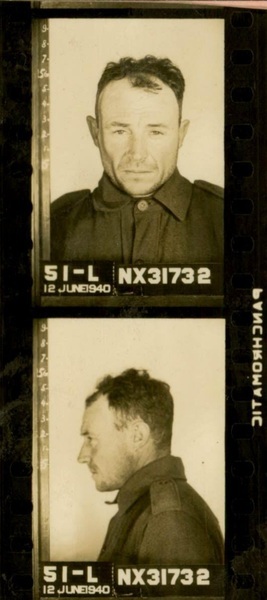
| Enlisted: | 12 June 1940 |
| Last Rank: | Private |
| Last Unit: | 2nd/3rd Pioneer Battalion |
| Born: | Coonabarabran, New South Wales, Australia, 12 June 1907 |
| Home Town: | Coonabarabran, Warrumbungle Shire, New South Wales |
| Schooling: | Not yet discovered |
| Occupation: | Labourer |
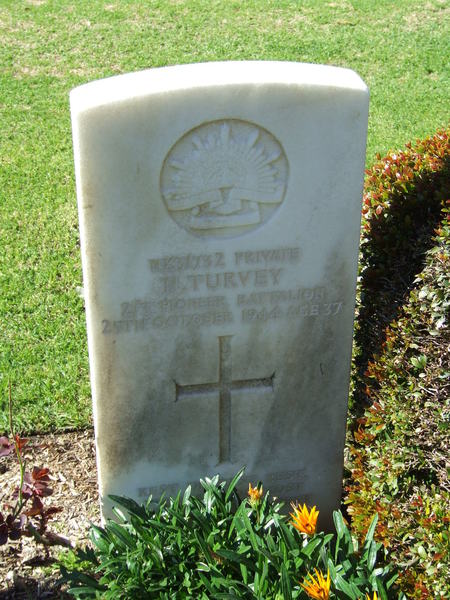
| Died: | Illness, Australia, 25 October 1944, aged 37 years |
| Cemetery: |
Rookwood Cemeteries & Crematorium, New South Wales U D 10, Sydney War Cemetery |
| Memorials: | Australian War Memorial Roll of Honour, Baradine Honour Roll WW2, Bugaldie HB2 |
World War 2 Service
| 3 Sep 1939: | Involvement Private, NX31732 | |
|---|---|---|
| 12 Jun 1940: | Enlisted Australian Military Forces (WW2) , Private, NX31732, 2nd/2nd Pioneer Battalion | |
| 12 Jun 1940: | Enlisted Australian Military Forces (WW2) , Private, NX31732, 2nd/3rd Pioneer Battalion, Military Enlistment - 12 June 1940 — Enlisted in the Australian Army on his 33rd birthday - Service Number: NX31732 - Enlistment Place: Paddington, NSW - Locality on Enlistment: Coonabarabran, NSW Training & Deployment - 1940 — Completed training in NSW - 1941 — Deployed to the Middle East with the 2/3rd Pioneer Battalion War Service – Middle East - 1941–1942 — Served in Palestine and Syria - 1942 — Fought in the First Battle of El Alamein - July–November 1942 — Fought in the Second Battle of El Alamein, including - The Saucer - Blockhouse positions - Miteiriya Ridge - Night trenching and forward pioneer operations - Earned the Africa Star with 8th Army Clasp War Service – New Guinea - 1943 — Returned to Australia briefly, then deployed to New Guinea - 1943 — Participated in the Lae–Nadzab campaign - Sustained illness and injury consistent with tropical service and combat conditions Final Illness & Death - 25 October 1944 — Died in Australia from war‑related illness - Age: 37 | |
| 1 Jul 1942: | Involvement Australian Military Forces (WW2) , Private, NX31732, 2nd/3rd Pioneer Battalion, El Alamein, The 2/3rd Pioneers were in the forward defensive boxes and supply lines. | |
| 23 Oct 1942: | Involvement Australian Military Forces (WW2) , Private, NX31732 , 2nd/3rd Pioneer Battalion, El Alamein, - Miteiriya Ridge - The Saucer - Blockhouse sector - Night trenching under fire - Attachment to 24th Brigade after Ruin Ridge losses This is the period that earned him the Africa Star with 8th Army Clasp. | |
| 4 Sep 1943: | Involvement Australian Military Forces (WW2) , Private, NX31732, 2nd/3rd Pioneer Battalion, New Guinea - Huon Peninsula / Markham and Ramu Valley /Finisterre Ranges Campaigns, Lae landings & advance, frontline | |
| 16 Sep 1943: | Involvement Australian Military Forces (WW2) , Private, NX31732, 2nd/3rd Pioneer Battalion, New Guinea - Huon Peninsula / Markham and Ramu Valley /Finisterre Ranges Campaigns, Official records state late September | |
| 29 Sep 1943: | Wounded Australian Military Forces (WW2) , Private, NX31732, 2nd/3rd Pioneer Battalion, New Guinea - Huon Peninsula / Markham and Ramu Valley /Finisterre Ranges Campaigns, He became seriously ill during this period and was evacuated. This is the campaign that earned him the Pacific Star. |
Help us honour Neville Turvey's service by contributing information, stories, and images so that they can be preserved for future generations.
Add my storyBiography contributed by Emma Tomlyn
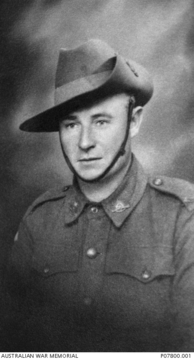
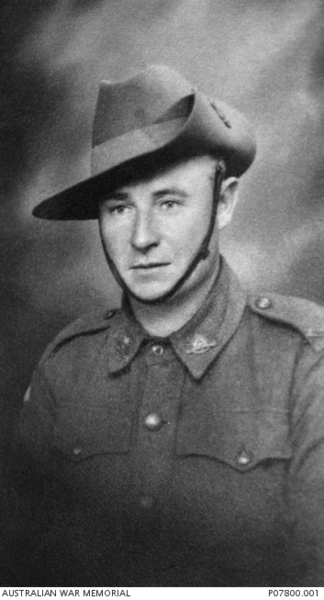
Private Neville Turvey NX31732
2/3rd Pioneer Battalion
Born: 12 June 1907, Coonabarabran NSW
Died: 25 October 1944, Concord Military Hospital, NSW
Buried: Sydney War Cemetery
A Childhood Survivor Who Became a Quiet Warrior
Neville Turvey was born in the bush town of Coonabarabran, the fourth child of Robert and Mary Turvey. His early life was marked by illness: he survived scarlet fever, pneumonia, and other infections that claimed many children of his era. These illnesses left permanent scarring on his lungs, a weakness he carried for the rest of his life.
Yet those who knew him remembered a boy who grew into a man of quiet strength, gentle, steady, and uncomplaining. He worked as a labourer before the war, strong in body despite the damage done in childhood, and strong in character in a way that cannot be taught.
On 12 June 1940, his 33rd birthday, Neville enlisted in the Second AIF. He did not hesitate. He simply stepped forward, as he always had.
A Pioneer in the Truest Sense
Neville joined the 2/3rd Pioneer Battalion, a unit that fought as infantry and worked as engineers , the men sent where the job was hardest, the ground most dangerous, and the need most urgent.
Despite his damaged lungs, he endured the extremes of two continents: the burning deserts of North Africa and the choking jungles of New Guinea.
Few men carried such a burden.
Fewer still survived as long as he did.
North Africa – Where the War Turned
Neville served under the 8th Army, earning the Africa Star with 8th Army Clasp, a rare distinction among Australians.
Miteiriya Ridge – The Breakthrough That Changed the War
In October 1942, Neville’s battalion helped prepare the ground for the decisive assault on Miteiriya Ridge during the Second Battle of El Alamein.
The Pioneers cut tracks, cleared mines, and dug forward positions under fire, work that allowed the 9th Division to break the German line.
This ridge was the hinge of the entire Allied plan.
If it failed, the offensive failed.
Neville was there, doing the unseen labour that made victory possible.
The Saucer – Holding Under Relentless Fire
Before the final push, the battalion held a shallow depression known as “The Saucer”, an exposed position under constant artillery and sniper fire.
There was no shelter.
No safety.
Just endurance.
Neville survived days and nights where the ground shook and the air burned.
The Blockhouse Sector – The Hardest Ground on the Line
The 2/3rd Pioneers were then moved to the Blockhouse sector, one of the most dangerous positions in the northern Alamein line.
Here they fought as infantry, defended the line, and carried out engineering tasks under fire.
This was where the battalion’s reputation for toughness was forged and Neville was part of it.
Night Trenching Under Fire
Neville took part in the Pioneer battalion’s most dangerous work:
night trenching in no‑man’s‑land,
cutting approach tracks,
laying communication lines,
digging forward positions while enemy machine‑guns swept the darkness.
These were the tasks that allowed the infantry to advance.
They were done in silence, in darkness, and often at fatal cost.
Neville survived all of it with lungs already scarred from childhood.
New Guinea – The Jungle That Finally Broke His Health
After returning to Australia, Neville trained at Atherton Tablelands for jungle warfare and deployed to New Guinea.
Lae – Neville Was Among the First Forward
During the Lae campaign in September 1943, Neville’s Pioneer company was sent ahead of the main infantry to cut tracks, clear obstacles, and establish the forward line.
This meant he was frontline before the main force, exposed to ambush, snipers, and the brutal conditions of the Markham Valley.
The mud was waist‑deep.
The rain never stopped.
The air was thick with disease.
And the Japanese fought from hidden positions.
For a man with already‑damaged lungs, this was catastrophic.
The humidity, mould, smoke, and constant exertion caused the respiratory collapse that would eventually claim his life.
Final Months and Passing
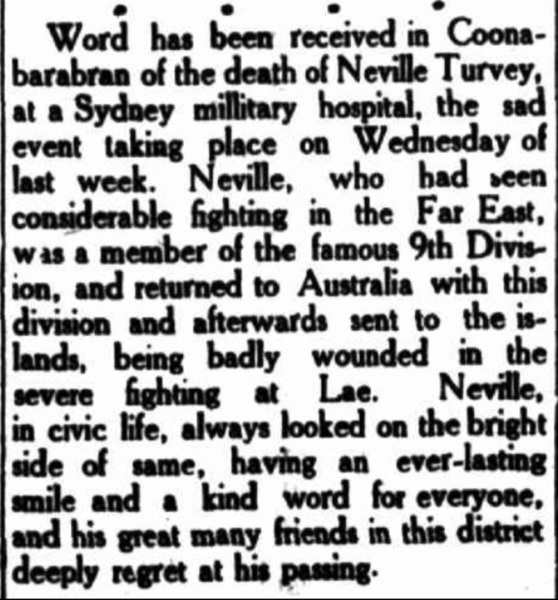
Evacuated to Australia, Neville spent more than a year in Concord Military Hospital, still a serving soldier.
He remained kind, grateful, and brave, never speaking of what he had endured. Remembered by those who cared for him for his kind smile.
He died on 25 October 1944, aged 37.
His death was officially recognised as a war casualty, the direct result of his service in New Guinea.
He was buried with honour in the Sydney War Cemetery.
Legacy
Neville left no wife or children.
But he left a legacy of courage, endurance, and quiet service.
His sister Coral honoured him by naming her sons Aubrey Patrick and Malcolm Denzil after Neville and his brother Denzil, ensuring their names lived on.
Today, his great‑grandniece and great‑grandnephew know him not as a distant name on a stone, but as a real man:
a Pioneer,
a survivor,
a brother,
and a quiet fighter whose life mattered.
His medals will forever be worn with Pride.
A Life Remembered
Neville served 1,596 days in uniform.
He fought in the desert and the jungle.
He endured what most men could not.
And he gave his life in the service of his country.
His story is no longer lost.
It is held, honoured, and carried forward.
Click images to start slideshow.